Your digging level
Description
Hjemmesnekk (Norwegian for "home‑made") is a grassroots, DIY tag within Norway’s russemusikk/party ecosystem used for tracks produced by graduating high‑school crews (russ) and their friends.
Musically it sits at the crossroads of EDM, electro house, festival trap, and hardstyle, typically pairing chant‑like Norwegian hooks, rowdy call‑and‑response vocals, and oversized drops with big‑room leads, distorted kicks, sirens, and airhorns. Lyrics commonly reference the crew’s name, year, inside jokes, local pride, and end‑of‑school celebration culture.
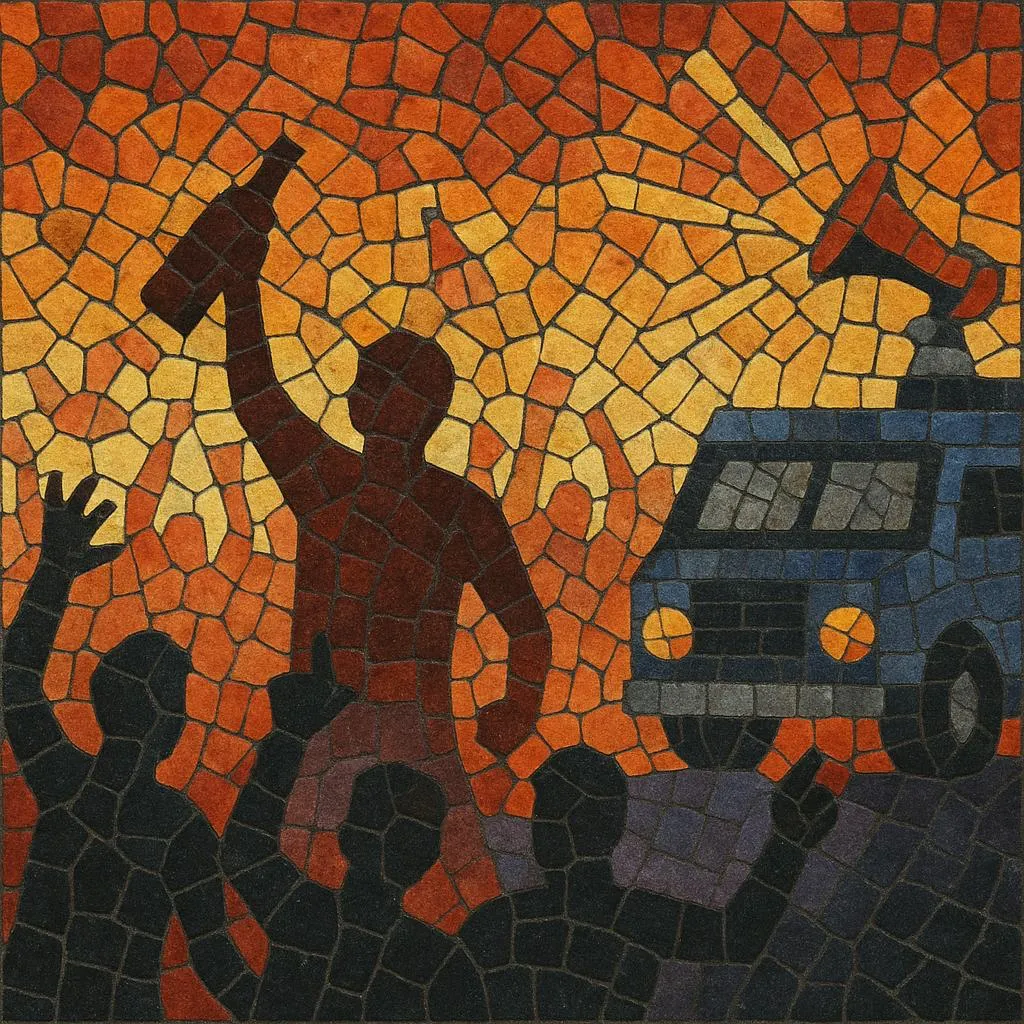
It is less a single codified style and more a hyper‑local, scene‑driven practice: fast, loud, celebratory tracks made with consumer DAWs, shared among peers, and blasted from buses and vans during the spring “russefeiring.”
History
The practice of russemusikk in Norway predates streaming, but the specific "hjemmesnekk" label emerged as affordable laptops, DAWs (FL Studio, Ableton Live), and sample packs allowed student crews to produce their own anthems. Rather than commissioning a professional producer, russ groups began crafting tracks that matched the energy of big‑room EDM and hardstyle while keeping the lyrics site‑specific and crew‑centric.
The rise of SoundCloud, YouTube, and later Spotify normalized uploading rough‑and‑ready local bangers. Tags like "hjemmesnekk" helped differentiate professional, commissioned russ singles from crew‑made cuts. Influences broadened: festival trap 808s found their way into otherwise four‑to‑the‑floor drops; Melbourne bounce basslines and hardstyle kicks mixed with Norwegian rap cadences.
By the late 2010s, "hjemmesnekk" functioned as a recognizable micro‑scene label: noisy, hooky, self‑referential, and proudly unpolished. Annual cohorts produced dozens of tracks, often riffing on global EDM motifs but stamping them with Norwegian slang, local shout‑outs, and bus/van identities. The approach influenced how mainstream party‑rap and house in Norway absorbed chanty hooks and supersized drops.
Hjemmesnekk remains a living, decentralized practice more than a tightly defined genre. Its aesthetic—DIY production, chant hooks, and maximalist drops—continues to color Norwegian youth party culture each spring, while its workflow (bedroom production + rapid online release) echoes broader internet‑native scenes.