Your digging level
Description
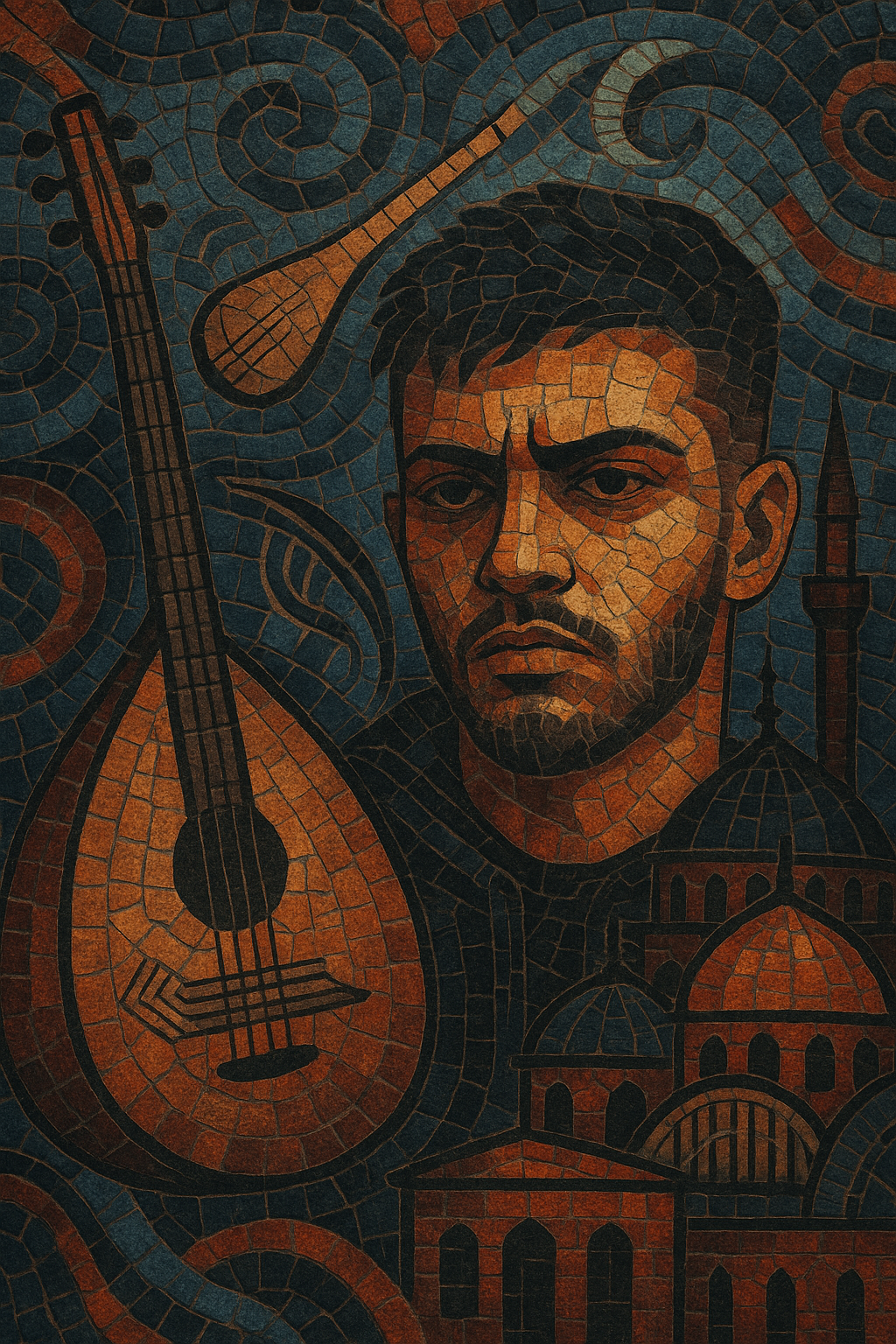
Turkish trap is the Turkish-language evolution of modern trap, fusing 808-heavy drums, rattling hi-hats, and sliding bass with local melodic sensibilities and timbres. It often incorporates Arabesk’s bittersweet melodrama and Anatolian colors—such as bağlama (saz), ney, or kanun—into contemporary, club-ready productions.
Vocal delivery typically blends rap and sung hooks with prominent Auto-Tune, triplet flows, and dense ad‑libs. Lyrics switch between street realism, swaggering bravado, romance, and social commentary, while melodies frequently outline makam-like (modal) contours reminiscent of Hicaz, Uşşak, or Nihavent. The result is a style that feels simultaneously aggressive and melancholic, global in its trap grammar yet distinctly Turkish in its emotion and ornamentation.
History
Turkish trap emerged in the mid‑2010s as Turkish rappers and producers absorbed the sound design and rhythmic language of U.S. trap while localizing it with Turkish melody and sentiment. The long-standing Turkish hip hop scene and the pervasive influence of Arabesk provided both infrastructure and aesthetic DNA.
A wave of artists helped move the sound into the mainstream. Ezhel’s 2017 breakthrough brought melodic, Auto‑Tuned hooks and modal inflections to trap frameworks, while Şehinşah and Khontkar pushed darker, more experimental edges. Ben Fero’s high‑energy singles primed radio and festival audiences, and cross‑border collaborations—especially Ezhel and Murda’s hits—cemented a transnational network linking Turkey, the Netherlands, and Germany. Streaming platforms and YouTube accelerated the genre’s rise, enabling rapid virality and scene-wide visibility.
By the early 2020s, Turkish trap became a dominant flavor in the broader Turkish rap and pop ecosystem. Artists such as Uzi, Lvbel C5, and emerging voices expanded the palette with heavier bass slides, melodic refrains, and club‑leaning grooves. Pop acts increasingly adopted trap drums and 808 aesthetics, while producers refined the integration of makam‑like melodies and Anatolian instruments.
Core signatures include half‑time grooves at ~70 BPM (or 140 BPM double‑time), rolling hi‑hats, booming 808s with pitch slides, and modal/harmonic minor melodies. Lyrical themes traverse street narratives, ambition, nightlife, and romance, often presented with a blend of bravado and Arabesk‑tinged melancholy. The scene has navigated issues around censorship and social pressure while maintaining a strong independent and digital-first ethos.