Your digging level
Description
Arab trap is a regional fusion of modern trap production with Arabic melodic language, timbres, and rhythms.
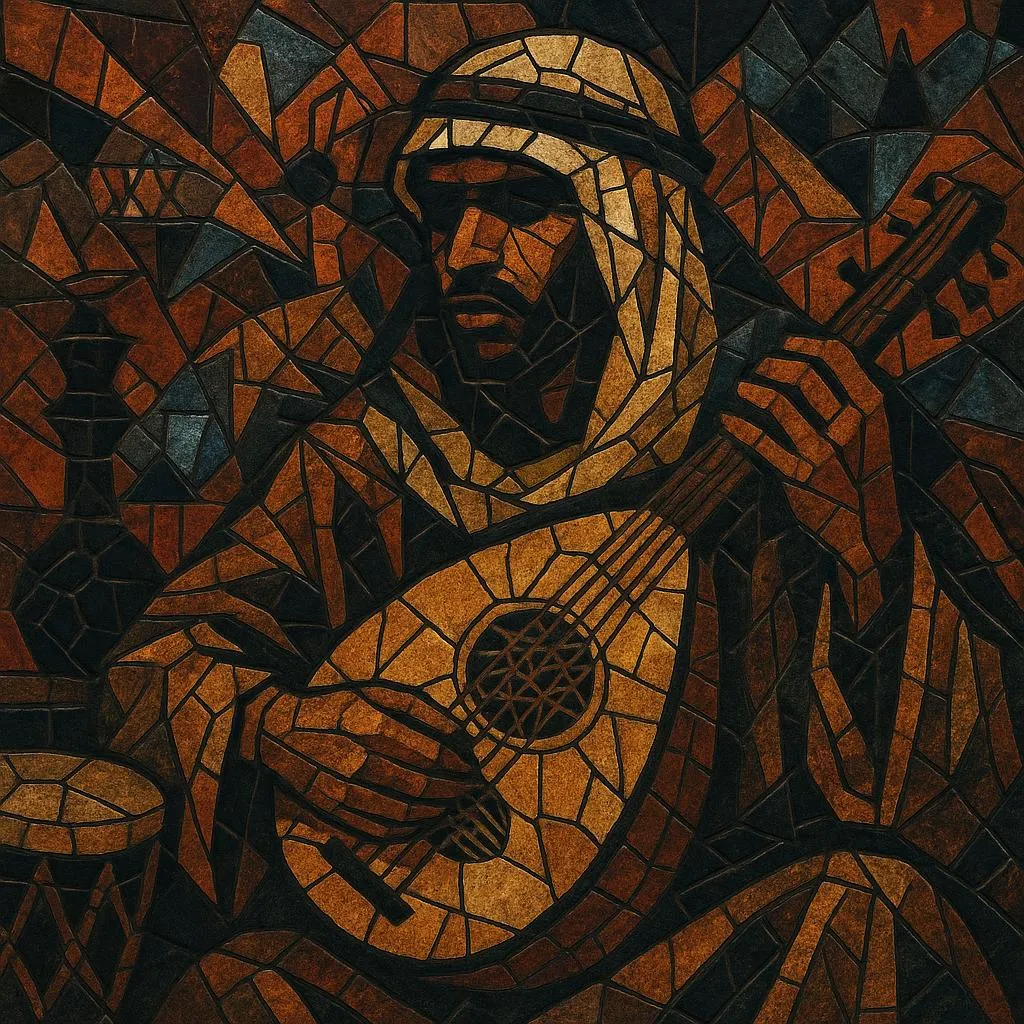
Built on the half‑time bounce of 808 kicks, snappy claps, and skittering hi‑hat rolls, it layers maqam‑based hooks (often using Hijaz, Bayati, Kurd, or Nahawand) on synth leads, sampled oud, qanun, or ney. Producers frequently weave North African and Middle Eastern percussion patterns (maqsum, baladi, saidi) into trap drum grids, while vocals range from Auto‑Tuned crooning to gritty rap delivered in Maghrebi dialects, Egyptian Arabic, Levantine slang, or Khaleeji vernacular.
Lyrically it spans street realism, social commentary, identity and migration, swaggering braggadocio, and nightlife, reflecting both local realities and a global hip‑hop aesthetic. Sonically it moves comfortably between dark, cinematic atmospheres and festival‑scale drops, which helped it circulate widely on streaming platforms and in global bass scenes.
History
Trap’s global explosion provided the production blueprint—808 subs, half‑time drums, and hi‑hat rolls—while Arab scenes adapted it to local aesthetics. Early Arab trap took shape across the Maghreb (notably Morocco) and the wider MENA region, mixing streetwise hip‑hop with maqam‑inflected melodies and regional percussion. Diaspora producers in France, Spain, the Netherlands, and Germany also helped define the sound by sampling Arabic motifs and collaborating with MENA rappers.
As streaming accelerated discovery, nation‑specific flavors emerged: in Morocco a wave of trap‑leaning rap pushed dialect flows and minor‑key, Hijaz‑tinged hooks; in Egypt, trap sonics cross‑pollinated with shaabi energy and—parallel to mahraganat—fed into a harder, street‑level style; in the Levant, collectives fused left‑field electronics with trap drums and political lyricism; in the Gulf, Khaleeji rhythms and slang rode glossy 808 beats.
Arab trap aesthetics—microtonal bends, melismatic toplines, and desert‑cinematic textures—became familiar in global bass and festival playlists. Collaborations with European and North American producers expanded its footprint, while local scenes professionalized live shows and visuals. The style now ranges from underground grit to major‑label pop‑rap, yet retains its core: a trap chassis carrying Arabic melodic and rhythmic DNA.
Arab trap offered a contemporary, pan‑regional vehicle for identity and expression, normalizing Arabic dialects in international hip‑hop and inspiring new hybrids (e.g., trap‑shaabi). It also reframed traditional instruments (oud, qanun, darbuka) as modern timbral assets within cutting‑edge electronic production.
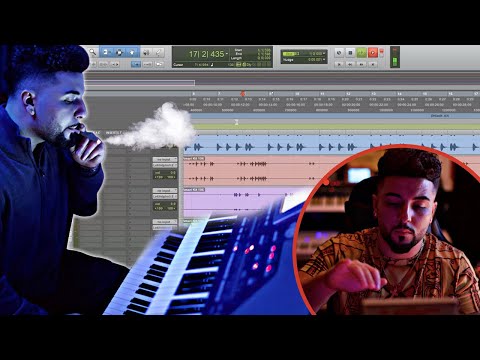
![How to make Arabic Trap beat within 4 minutes! [#ArabicTrap Tutorial] [#FLStudio]](https://i.ytimg.com/vi/GkOpDRjbRTg/hqdefault.jpg)