Your digging level
Description
Arabic hip hop is the Arabic-language expression of global hip hop culture, emerging from the Arab world and its diaspora. It fuses rap flows and beat-making with Arabic dialects, poetic forms, and regional rhythmic/melodic vocabulary, creating a distinctive voice that reflects local realities and identities.
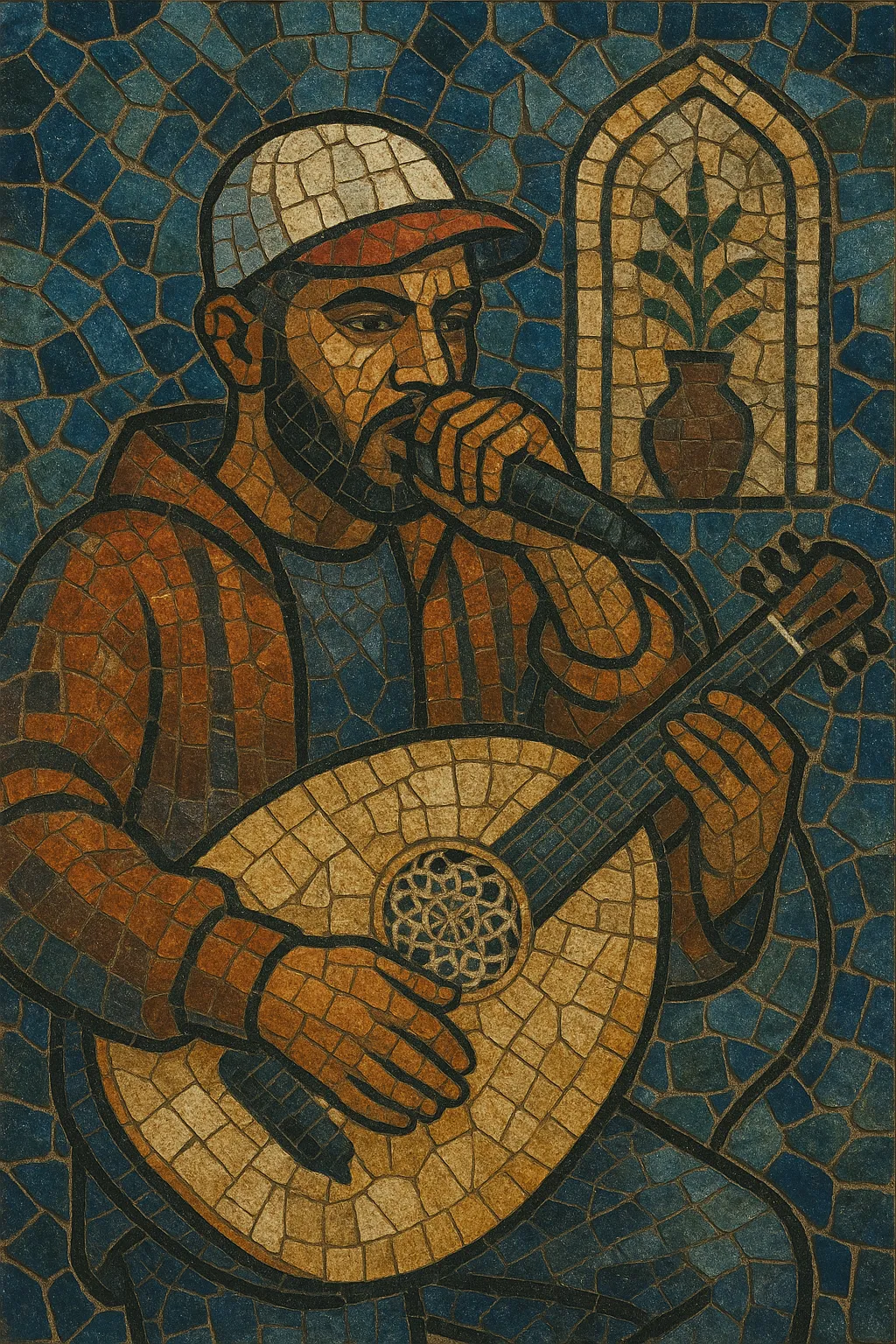
Musically, it spans classic boom-bap to modern trap and drill aesthetics, often sampling or emulating oud, qanun, nay, and percussion such as darbuka and riq. Producers frequently weave maqam-based motifs (e.g., Hijaz, Bayati, Kurd) and popular rhythms (maqsoum, saidi, dabke) into 4/4 hip hop frameworks. Lyrically, artists alternate between colloquial dialects and fusha (Modern Standard Arabic), address social and political issues, and code-switch with French or English in North African and Levantine contexts.

History
Satellite TV, mixtapes, and the internet brought U.S. and French hip hop to North Africa and the Levant in the 1990s. Early crews in Morocco (e.g., scene around Meknès and Casablanca), Algeria (Lotfi Double Kanon), Palestine (DAM), and Lebanon (Rayess Bek) began rapping in local dialects, adapting hip hop’s beats to Arabic prosody and regional rhythms. The diaspora—especially in France—was crucial, as Maghrebi communities helped normalize Arabic-language rap and its aesthetics.
The 2000s saw the consolidation of local scenes, DIY studios, and online distribution. Artists such as Don Bigg (Morocco), Balti (Tunisia), and Shadia Mansour (Palestine/UK) shaped regional sounds and narratives. During the Arab Spring (2010–2011), protest rap became a powerful vehicle; Tunisia’s El General gained global attention with “Rais Lebled,” exemplifying hip hop’s role as a voice for dissent across the Arab world.
With the rise of trap and drill, production modernized: 808s, half‑time grooves, and sharper hi‑hat programming entered the mainstream of Arabic hip hop. In Egypt, the parallel street-electro style mahraganat began cross‑fertilizing with rap flows; in Morocco, artists like Dizzy DROS and ElGrandeToto pushed a high‑gloss trap sound; in the Levant and Gulf, new scenes expanded with distinct dialectal and rhythmic signatures. Diaspora voices (e.g., Narcy) deepened transnational ties. Streaming platforms and social media accelerated regional visibility while censorship and platform challenges continued to shape trajectories.
Arabic hip hop blends global hip hop with maqam-based melodies, regional grooves (maqsoum, saidi, dabke), and instruments (oud, qanun, darbuka). Rappers code-switch between Arabic dialects and European languages, channeling stories of urban life, identity, migration, and political critique, while communities organize through cyphers, showcases, and online battles.



Top albums