Your digging level
Description
Levantine Arabic music refers to the Arab musical traditions of the Eastern Mediterranean—today’s Syria, Lebanon, Palestine, Jordan, and Arab communities in Israel. It balances refined urban art music with village and dance repertories, all articulated through the Arabic maqam system and cyclical iqaʿ (rhythmic) cycles.
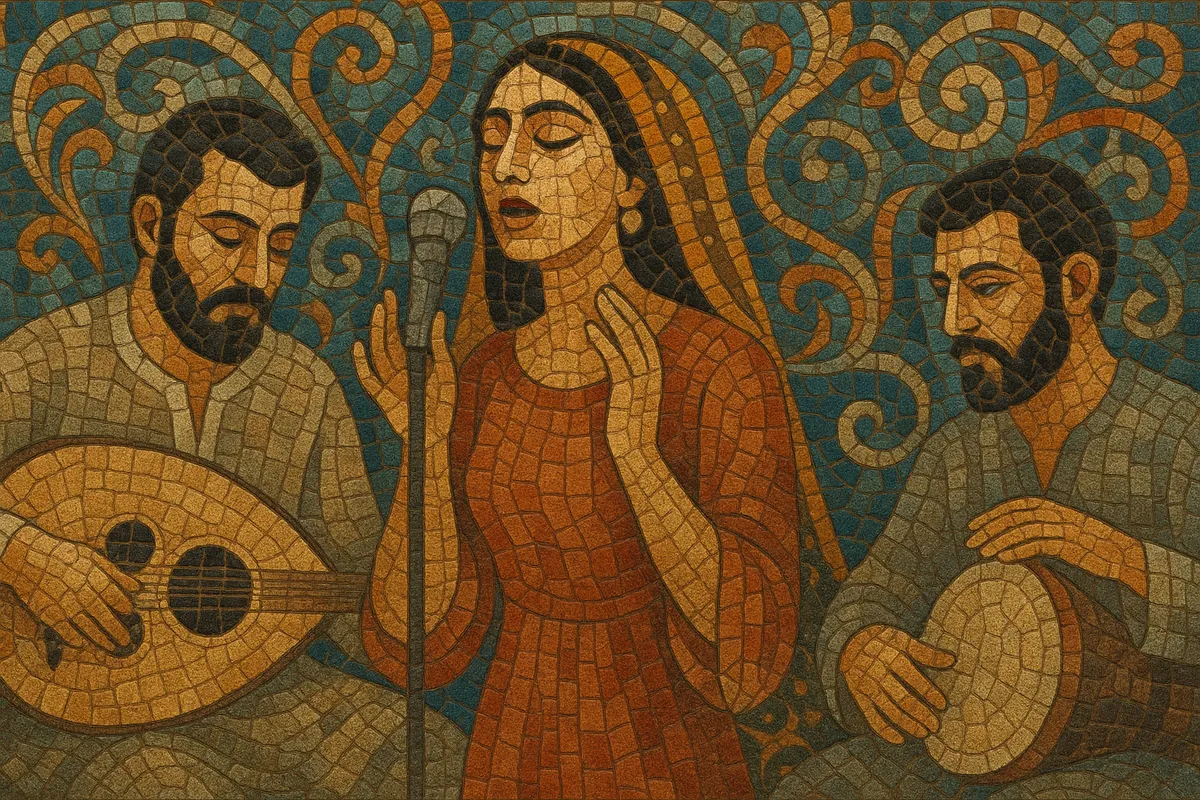
Core timbres come from oud, qanun, buzuq, ney, violin/cello in Arab tuning, and hand percussion such as riqq and darbuka. Vocal performance emphasizes ornamentation, expressive melismas, and the aesthetics of tarab (ecstatic musical transport). Key forms include muwashshah and qudud Halabiyya (Aleppine songs), mawwal and layali (free-meter vocal improvisations), and popular dabke songs for line-dances.
As a historical crossroads, the Levant synthesized Arab, Ottoman/Turkish, Persian, Byzantine/Syriac liturgical, and Andalusi legacies. In the 20th century, cosmopolitan Beirut, Damascus, and Aleppo studios and theaters helped shape modern Arabic song while keeping local dialects and rhythms central.
History
Levantine Arabic music grew from urban courts, Sufi lodges, and merchant cities—especially Aleppo, Damascus, and later Beirut. Art-song traditions like the muwashshah (with medieval Andalusi lineage) took distinctive Aleppine shape as qudud Halabiyya, while devotional and folk repertories coexisted with coffeehouse performance and wedding music.
By the 18th–19th centuries, shared Ottoman court culture linked Levantine musicians to Istanbul and Cairo, but the Levant kept its own modal fingerprints in maqamat such as Bayati, Hijaz, Kurd, Rast, and Saba. Complex iqaʿ cycles (e.g., samai thaqil 10/8) sat alongside lively dance meters (malfuf 2/4, maqsum 4/4) used for dabke and popular song.
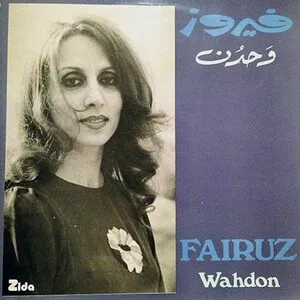
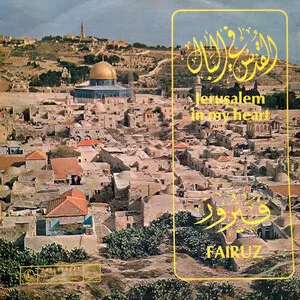
During the Arab Nahda (cultural renaissance), Aleppo’s star singers and takht ensembles codified repertories, while Beirut emerged as a media hub. Artists like Sabah Fakhri reasserted classical Aleppine style; the Rahbani Brothers and Fairuz crafted a modern Lebanese songbook that blended folk rhythms, theatrical form, and refined maqam practice, making Levantine aesthetics central to pan‑Arab listening.
Civil wars and migration spread Levantine musicians to Europe and the Americas. Studio production modernized timbres (string sections, synths), but the oud and heterophonic ensemble core persisted. Composers such as Marcel Khalife and Ziad Rahbani fused political poetry, jazz harmony, and Levantine grooves, while Palestinian ensembles (e.g., oud trios) renewed instrumental traditions.
Today, Levantine Arabic music spans indie/art song, neo‑classical revivals, and electronic fusions (e.g., shamstep blending dabke rhythms with synths). Regional pop (Syrian and Lebanese) carries dialect and maqam color into mainstream formats, while conservatories and community ensembles keep muwashshah, qudud, and tarab practices alive.