Your digging level
Description
Lebanese pop is a modern Arabic-language pop style that blends Levantine melodic sensibilities and maqam-based ornamentation with Western pop songwriting and production.
Built around catchy hooks, danceable grooves, and polished music‑video aesthetics, it helped set the pan‑Arab standard for pop in the late 1990s and 2000s. Songs are typically sung in the Lebanese/Levantine dialect, intertwining romantic themes with glossy, radio‑friendly arrangements that can lean toward dance-pop, balladry, or dabke‑inspired party tracks.
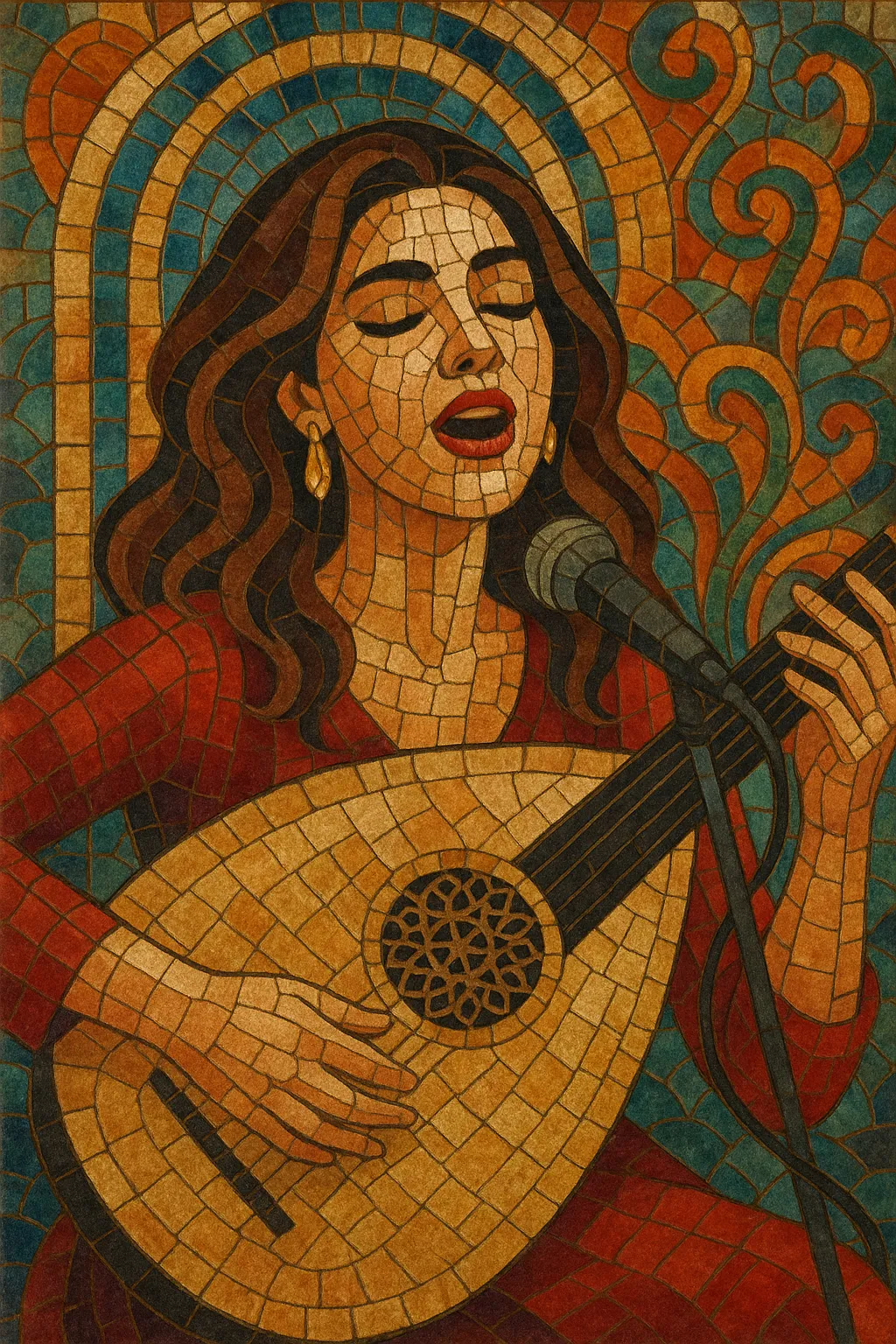
Instrumentation often marries synths, drum machines, and electric bass with regional timbres such as oud, qanun, ney, and darbuka, while vocals favor melisma and subtle microtonal turns characteristic of Arabic classical tradition.


History
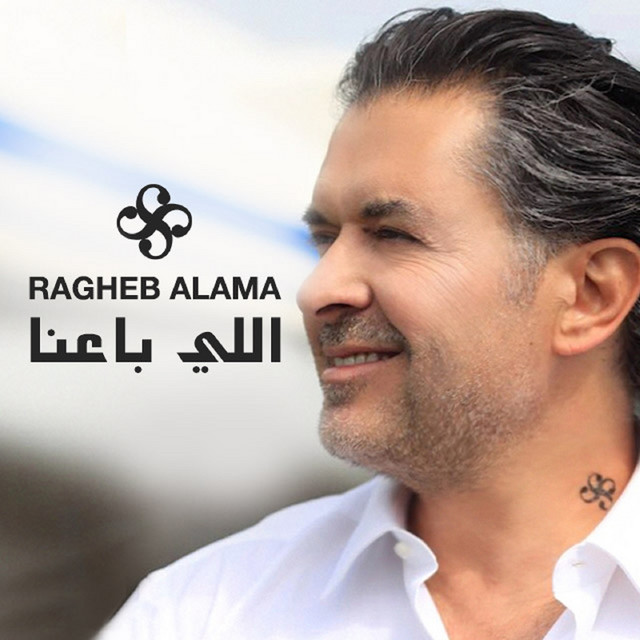
Lebanese pop crystallized in the 1990s as Beirut’s media and label infrastructure recovered and modernized. Building on the legacy of Lebanese song (Rahbani school, Fairuz) and pan‑Arab popular music, artists like Ragheb Alama and Nawal Al Zoghbi began fusing Western pop forms with Levantine melodies and Arabic rhythmic patterns. Satellite TV networks and a burgeoning video‑clip culture (e.g., Rotana, Arabic music channels) amplified the new sound across the Middle East.
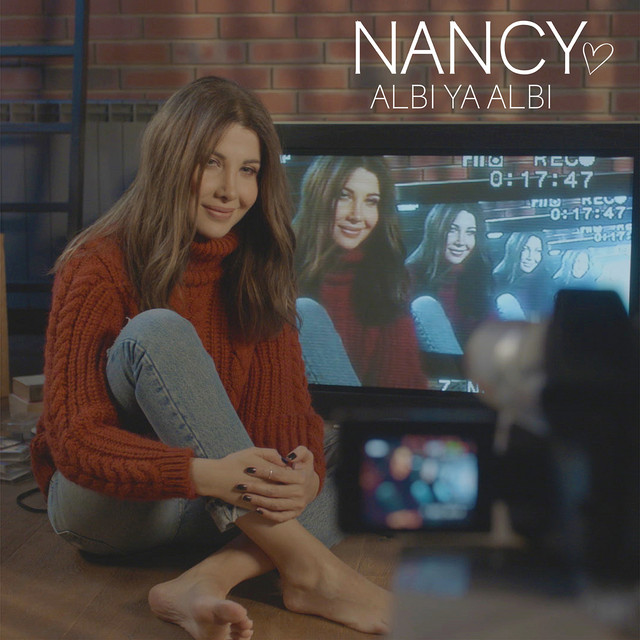
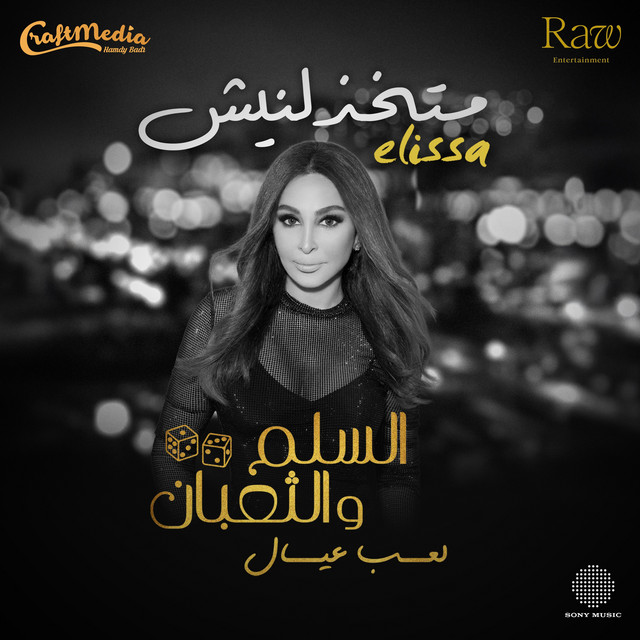
The early 2000s marked a golden era: Nancy Ajram, Elissa, Haifa Wehbe, Wael Kfoury, and others turned Lebanese pop into a pan‑regional staple. High‑budget music videos, fashion‑forward star images, and hitmaking producers standardized a glossy, hook‑driven aesthetic. Dance‑pop grooves, Eurodance textures, and dabke‑inflected rhythms coexisted with heartfelt ballads, while microtonal ornamentation and Levantine Arabic anchored the style’s identity.
Streaming, YouTube, and social media diversified production and discovery, enabling both mainstream and independent Lebanese acts to reach global audiences. Producers incorporated EDM drops, trap‑leaning drums, and R&B harmonies, while singer‑songwriters and alternative bands from Lebanon drew on the pop vocabulary to craft more personal or hybrid sounds. Despite economic and social headwinds, Lebanese pop remains influential across the Arab world, shaping vocal style, visual presentation, and A&R priorities for contemporary Arabic pop.