Your digging level

For this genre
0/8
🏆
Sign in, then listen to this genre to level up

Description

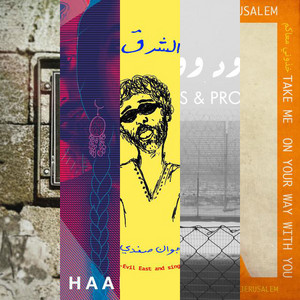
Palestinian alternative is a broad, independent-leaning umbrella for artists from Palestine and its diaspora who fuse Western alternative idioms with Levantine (particularly Palestinian) musical language.

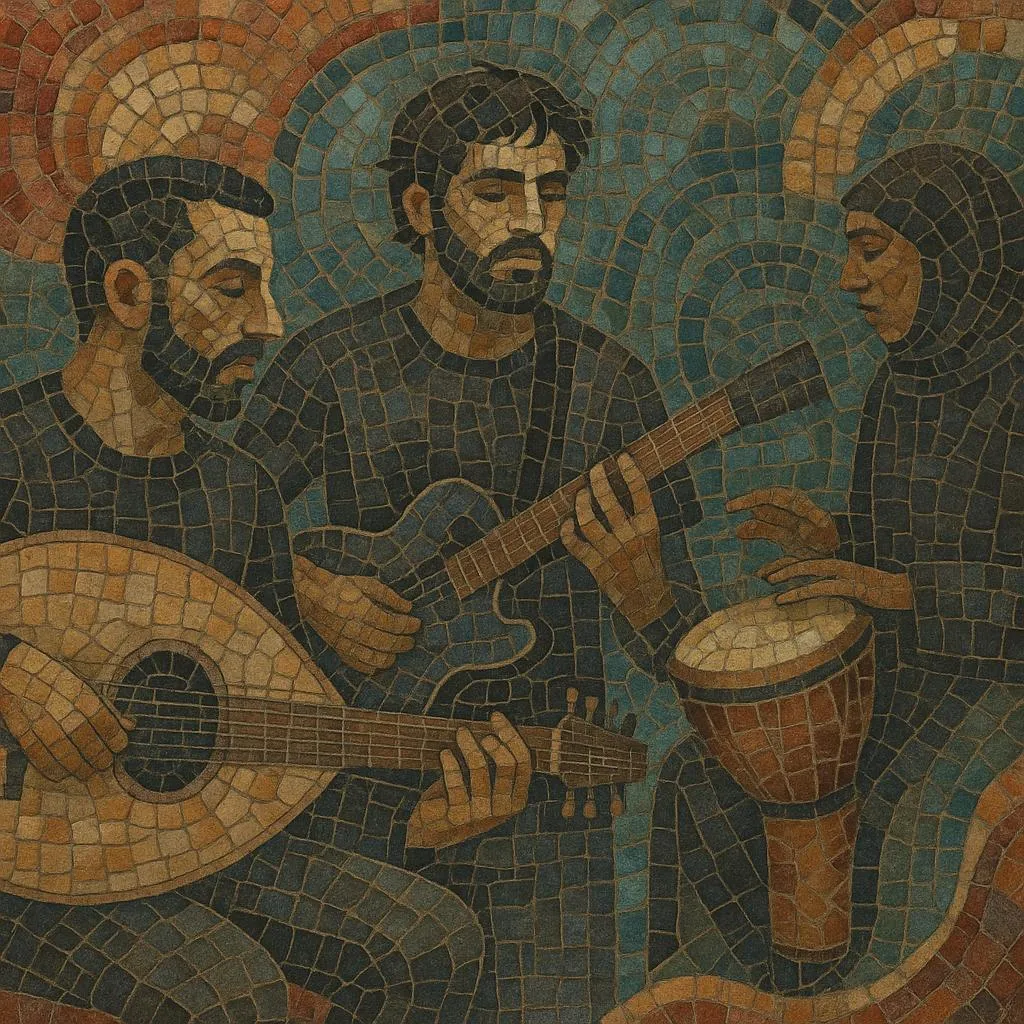
It commonly blends guitar-driven indie/alt-rock, electronic textures, hip‑hop beats, and experimental production with Arabic melodic modes (maqām), dabke rhythms, and instruments such as oud, buzuq, qanun, riqq, and darbuka. Lyrics (often in Palestinian Arabic) address everyday love and longing alongside lived realities of displacement, checkpoint life, borders, identity, and resilience—balancing personal storytelling with social and political nuance.

While stylistically diverse—from intimate singer‑songwriter and electro‑acoustic experiment to bass-heavy rap crossovers—the scene is unified by DIY ethics, cross-city collaboration (Ramallah, Haifa, Jerusalem, Bethlehem, Gaza, and diaspora nodes like Amman, Berlin, and London), and a drive to update Palestinian sonic heritage for contemporary global audiences.


Sources: Spotify, Wikipedia, Discogs, RYM, MB, user feedback and other online sources

History

Early roots (1980s–1990s)

Alternative currents in Palestinian music grew from post-folk innovators who began marrying modern songwriting with Arabic poetry, maqām-based composition, and global rock/jazz sensibilities. Small studio infrastructures in Jerusalem and West Bank cities, plus grassroots concert circuits, seeded an independent ethos that would later define the scene.

2000s: A local underground with global ears

The 2000s saw a multiplication of rock, indie, and experimental outfits alongside hip‑hop crews, as home studios and file‑sharing lowered barriers. Musicians navigated mobility restrictions and patchy venues by emphasizing collectives, living‑room concerts, and cross-border collaborations. The period also normalized a hybrid sound: Western backline (guitar/bass/drums) interlocking with dabke grooves and maqām-inflected melodies, set against lyrics of identity, love, and everyday survival.

2010s: Infrastructure, labels, and regional linkages

A new wave of producers, instrumentalists, and singer‑songwriters linked Palestine’s cities with regional hubs (Amman, Beirut, Cairo) and European diasporas. Independent labels/collectives and platforms (from local studios to regional showcases and festivals) professionalized releases, touring, and sync opportunities. Electronic production deepened—pairing Levant percussion cycles with house/techno frameworks and lo‑fi textures—while experimental oud/piano/voice projects pushed chamber‑like arrangements into the alternative space.

2020s: Digital acceleration and global resonance

Streaming, Bandcamp-era DIY, and social media amplifiers expanded reach. Cross-genre fluency became a hallmark: indie rock meeting rap, electro-dabke with ambient drones, and spoken-word interludes over granular synthesis. Diaspora artists foregrounded multilingual writing (Arabic/English/French), and a rising cohort of producers integrated field recordings (street chants, radio static), crafting soundworlds that are both place-specific and globally legible.

How to make a track in this genre

Core palette and instrumentation
•   Combine a Western backline (electric or acoustic guitar, bass, drums) with Levantine timbres (oud, buzuq, qanun, ney, riqq, darbuka). •   Use hybrid setups: fretless bass for fluid maqām passages, guitar with partial microtonal setups (or fretless/quarter‑tone mods), and synths/samplers for drones and pads.
Scales, modes, and harmony
•   Center melodies in maqām (e.g., Bayātī, Ḥijāz, Nahāwand, Kurd). Lean into characteristic intervals (neutral seconds, augmented seconds) via voice, oud, or fretless instruments. •   Harmonies can alternate between modal drones/pedal points and indie‑rock chord cycles (i–VII–VI, or iv–I–V progressions). Allow parallel motion and suspensions to preserve Arabic melodic contour.
Rhythm and groove
•   Anchor beats in Levantine iqaʿāt and dabke patterns (maqsūm, baladī, sāʿīdī). Layer them with indie/hip‑hop backbeats or four‑on‑the‑floor for electro‑dabke fusions. •   Typical tempos: 85–100 BPM (narrative rap/alt‑R&B textures) or 110–125 BPM (dance‑leaning dabke/house hybrids). Use offbeat claps and riqq articulations to drive momentum.
Lyrics and delivery
•   Write in Palestinian Arabic (with code‑switching to English when natural). Themes span love and loss, place and distance, border and belonging; keep imagery concrete and human-scaled. •   Alternate sung hooks with spoken‑word or rap verses; call‑and‑response choruses echo street chant and communal singing.
Production aesthetics
•   Embrace DIY warmth: tape hiss, room mics, and found sounds (market noise, radio static, train hum) for place‑specific texture. •   Sidechain percussion to darbuka/riqq transients; sculpt space with spring/plate reverbs and short slap delays to complement close‑miked vocals. •   For microtonality in the box, use pitch‑bend lanes or microtuning (MTS/Scala) on soft synths; layer with real oud/voice to keep intonation organic.
Arrangement tips
•   Build from a modal intro/drone to a layered chorus with rhythmic lift; insert a breakdown featuring solo oud/voice or a poetry recitation. •   Endings often return to a drone or field recording, reinforcing cyclical, memory‑laden narratives.

Top tracks

Locked
Share your favorite track to unlock other users’ top tracks

Upcoming concerts

in this genre
Influenced by
Has influenced

Download our mobile app

Get the Melodigging app and start digging for new genres on the go
© 2026 Melodigging
Melodding was created as a tribute to Every Noise at Once, which inspired us to help curious minds keep digging into music's ever-evolving genres.
Buy me a coffee for Melodigging