Your digging level
Description
Maghrebi music is the umbrella of musical traditions from the western Arab world—the Maghreb—covering Morocco, Algeria, Tunisia, Libya, and Western Sahara. It blends Arab (maqam/ṭabʿ), Amazigh (Berber) indigenous musics, medieval Andalusian legacies, and sub‑Saharan currents carried across the Sahara.
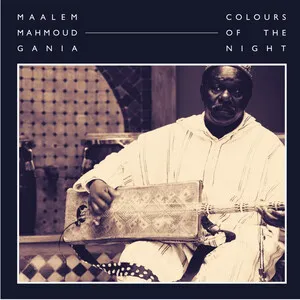
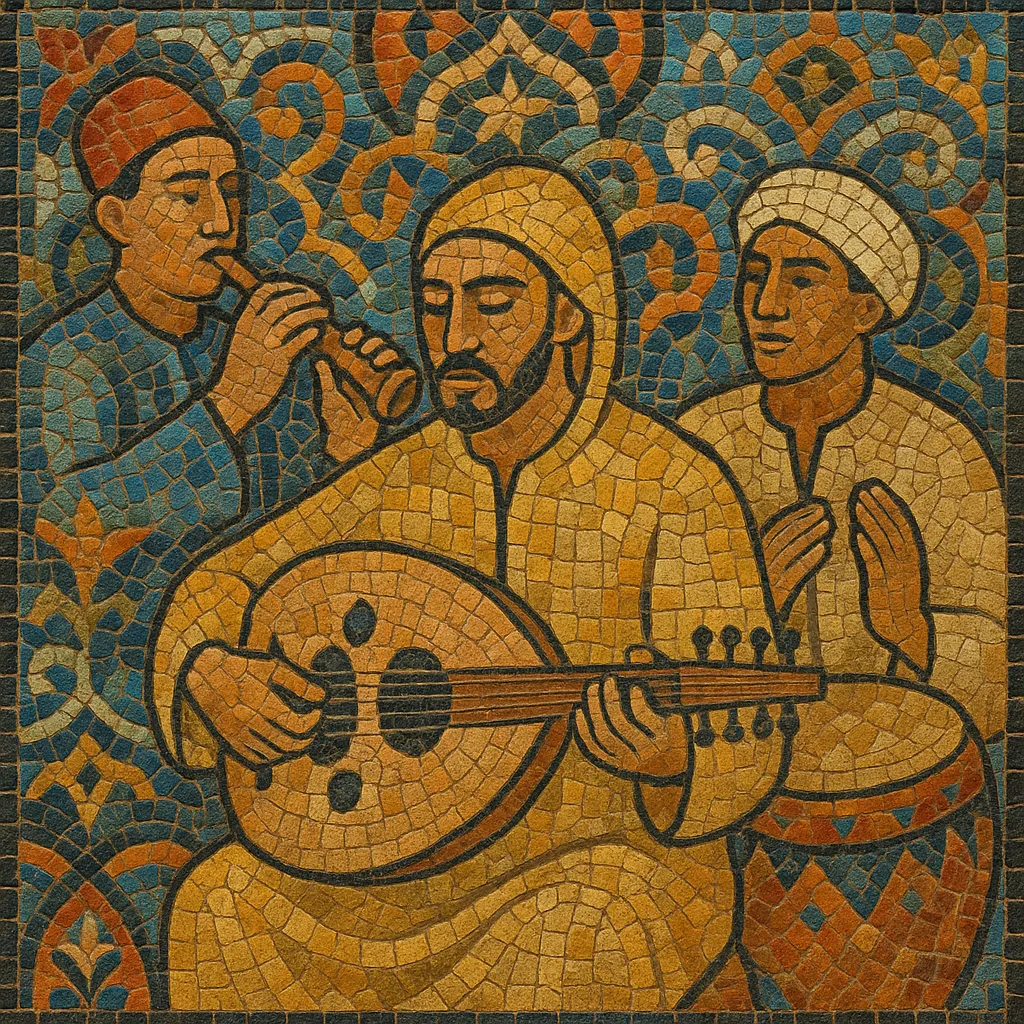
Hallmarks include modal melodies rich in melisma and ornament, cyclical rhythms (notably a buoyant 6/8 and stately 10/8), and heterophonic textures where voice and instruments decorate the same line. Core instruments include the oud, rebab (or kamanja/violin), qanun, nay/gasba (end‑blown flutes), bendir and darbuka frame drums, the guembri (sintir) bass lute, and metallic qraqeb castanets in Gnawa contexts. Lyrics appear in regional Arabic dialects (Darija), Tamazight/Amazigh languages, and Hassaniya (in the Sahara), frequently addressing love, mysticism, satire, and social life.
As a living tradition, Maghrebi music spans ceremonial and devotional repertoires (Sufi brotherhoods, Andalusi nūba suites) and popular urban styles (chaabi, raï), as well as contemporary fusions with rock, hip hop, and electronic music.
History
Amazigh (Berber) musical practices predate Islam and contribute indigenous rhythms, scales, instruments, and poetic forms. With Islamization (7th–8th centuries) came Arab modal theory and liturgical/devotional practices. A decisive layer arrived through the medieval Andalusian diaspora (10th–16th centuries), seeding courtly repertoires and the suite‑like nūba cycles that became anchors of urban Maghrebi traditions.
Across cities such as Fes, Tlemcen, Algiers, Tunis, and Tripoli, Andalusi lineages were localized into regional schools and modal systems (Maghrebi ṭubūʿ), performed by guilds and court ensembles. Parallel rural and Amazigh musics flourished, while Sufi brotherhoods (e.g., Gnawa, ʿIsawiyya) maintained trance‑oriented rites blending sub‑Saharan rhythms with Maghrebi poetics.
Recording, radio, and café culture catalyzed popular urban styles (chaabi in Algeria and Morocco; ma'luf/mālūf in Tunisia). Mid‑century migration and cosmopolitan ports introduced Western harmonies, guitars, and later synthesizers. In the late 20th century, raï from Oran globalized a Maghrebi pop voice, while Gnawa, Judeo‑Arab repertoires, and Amazigh song entered world stages.
Contemporary artists fuse Maghrebi modalities and rhythms with hip hop, rock, and electronics, spawning indie and club scenes across the region and diaspora. While innovation accelerates, Andalusi suites, Sufi ceremonies, and village repertoires remain vital, sustaining intergenerational transmission of Maghrebi aesthetics.