Your digging level
Description
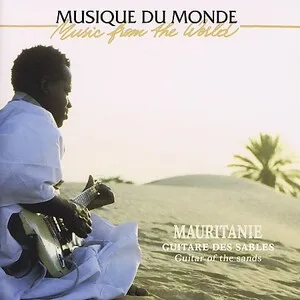
Moorish music refers to the hereditary griot tradition (iggāwen) of the Moors (Hassaniya Arabic–speaking Arab–Berber communities) of Mauritania. It is a sophisticated, courtly art that fuses Arabic poetic song with indigenous Saharan aesthetics.
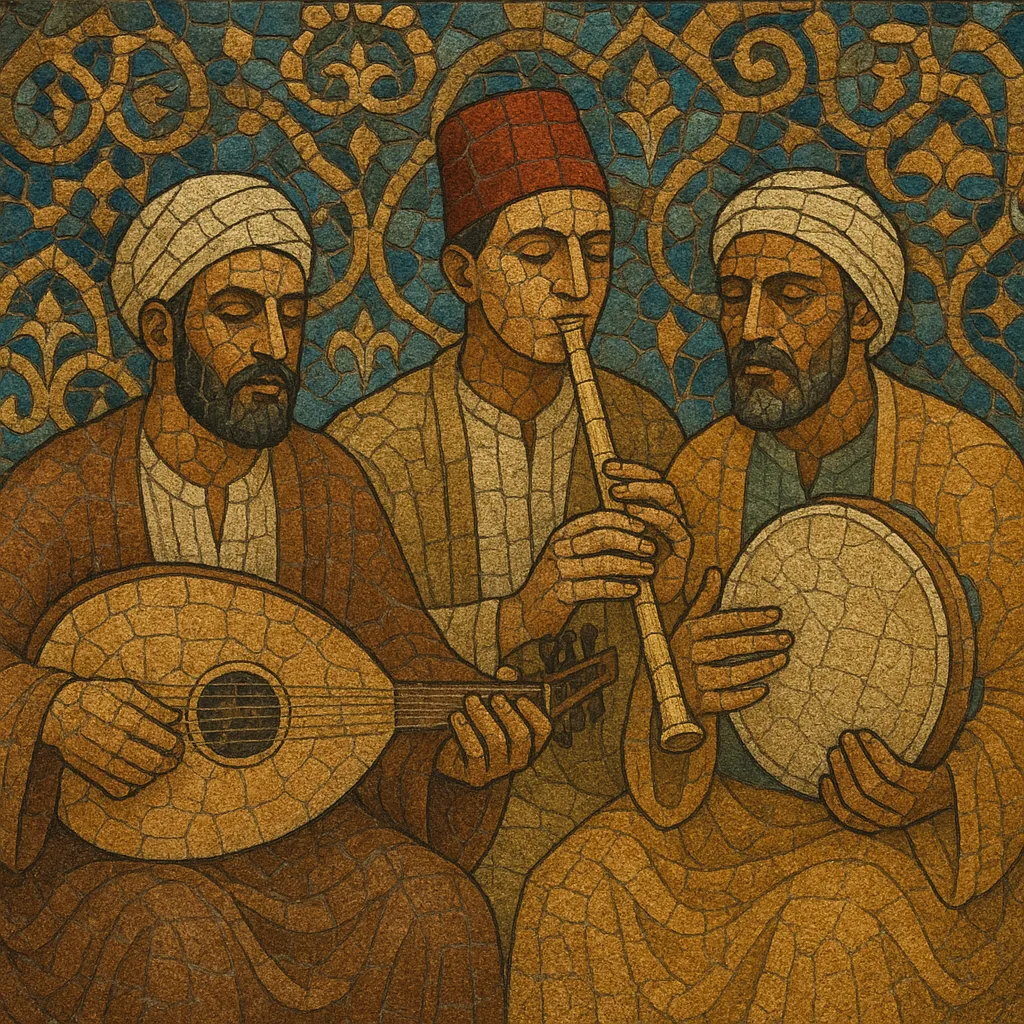
Its core sound centers on the tidinit (a skin-faced lute typically played by men) and the ardin (a calabash-harp traditionally played by women), supported by the t’bal frame drum and handclaps. Performances set classical Hassaniya poetry to modal melodies and cyclical rhythms, moving through established suites and emotional intensities.
While deeply local, this tradition sits at the crossroads between Maghrebi/Andalusian art music and Sahel–Saharan styles. In the late 20th and 21st centuries, Moorish musicians began adapting the tidinit’s phrasing to electric guitar and modern ensembles, influencing the wider “desert blues” sound.
History
Moorish music crystallized between the 17th and 19th centuries among the Moors of present-day Mauritania. Professional musicians (iggāwen; singular iggiw) formed endogamous castes entrusted with preserving history, performing praise poetry, and mediating social occasions such as weddings and diplomatic gatherings. Their repertory drew on Hassaniya Arabic verse while embracing older Berber/Amazigh and Saharan motifs.
Two emblematic instruments define the classic soundworld: the tidinit (a plucked skin-headed lute associated with male iggāwen) and the ardin (a resonant calabash-harp associated with female performers). The t’bal frame drum, handclaps, and ululations articulate dance rhythms and cadences. Musically, performers navigate color-named modes and ordered sections within a suite, intensifying tempo, register, and ornamentation to match poetic meaning.
Under French colonial rule and into Mauritanian independence (1960), iggāwen continued to serve as cultural memory-keepers. Radio broadcasting and urbanization gradually brought the tradition into new public spheres, while maintaining strict pedagogies—oral transmission within noted musical families.
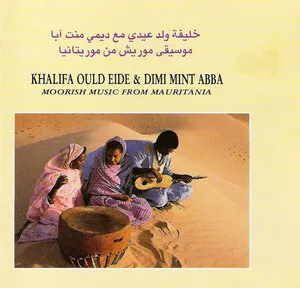
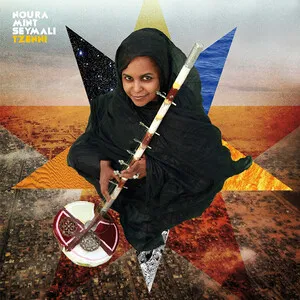
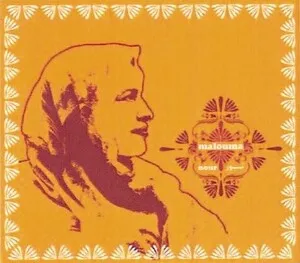
From the 1980s onward, iconic artists (e.g., Dimi Mint Abba) introduced Moorish music to international stages. Later, artists such as Malouma and Noura Mint Seymali blended ardin/tidinit modal phrasing with bass, drum set, and electric guitar, mapping its melodic language onto amplified textures. This helped shape the transnational “desert blues” and Saharan fusion scenes and encouraged collaborations across the Maghreb and Sahel.