Your digging level
Description
Thai hip hop is the localized expression of rap culture in Thailand, blending the rhythmic speech, sampling aesthetics, and beat-making of global hip hop with Thai language, regional dialects, and local cultural references.
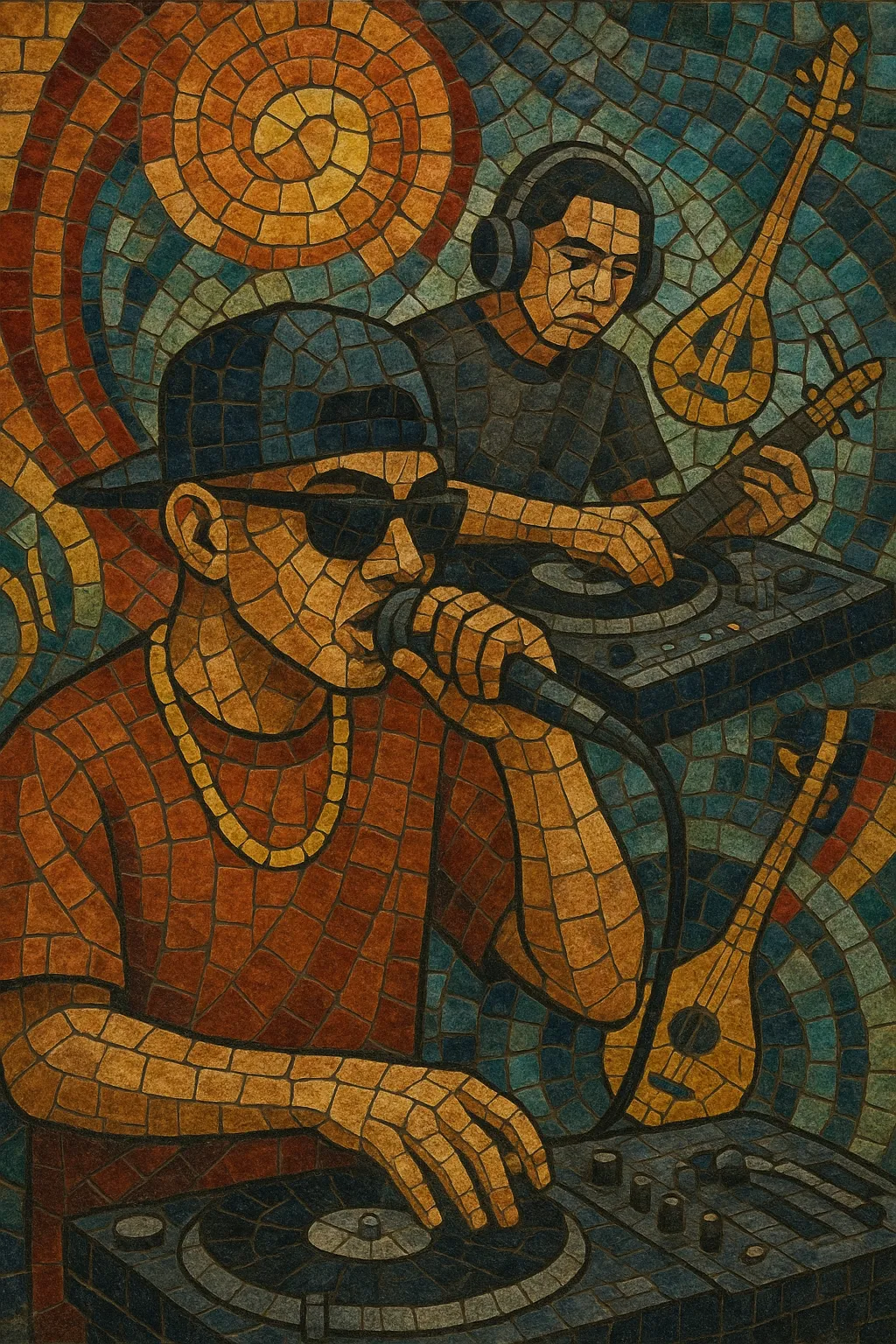
Early Thai hip hop drew on boom-bap and G‑funk, while the 2010s ushered in trap’s 808-heavy sound, rapid hi-hats, and cinematic atmospheres. Artists frequently code-switch between Thai and English, incorporate slang, and reference everyday life, nightlife, and social realities. Some acts also fuse elements of luk thung and mor lam (Isaan musical traditions), or experiment with pop hooks and R&B melodies to reach broader audiences.
Lyrically, the genre ranges from party anthems and romantic storytelling to pointed social commentary. The scene spans major-label stars and independent crews, with battle circuits and TV rap competitions helping to expand reach and refine performance craft.
History
Thai hip hop emerged in the 1990s as global rap filtered into Bangkok via radio, TV, and imported tapes/CDs. Early adopters experimented with Thai-language flow over boom‑bap beats and G‑funk grooves. Joey Boy became one of the first mainstream ambassadors, introducing rap cadences to Thai pop audiences and forming the Gancore Club, which incubated talent and a recognizable local sound.
By the late 1990s and early 2000s, the scene solidified. Underground figure Dajim drew attention for raw, street-level lyricism, while Thaitanium professionalized the craft, releasing albums that set standards for delivery, production quality, and live performance. Major labels began to support rappers, and collaborations with pop and R&B singers broadened appeal.
YouTube, Facebook, and streaming platforms catalyzed rapid growth. Battle leagues and communities—especially Rap Is Now and its "The War Is On" events—sharpened competitive skills and discovered new voices. TV competitions such as The Rapper brought rap to prime time, elevating MCs and producers. Sonically, trap became dominant, with heavy 808s and atmospheric pads alongside autotuned hooks.
In 2018, Rap Against Dictatorship’s viral track "Prathet Ku Mee" spotlighted the genre’s capacity for political critique, drawing international coverage and demonstrating hip hop’s role as a platform for civic expression. Parallel to this, crossover artists collaborated with regional and global acts, positioning Thai hip hop within wider Asian and international rap networks.
The 2020s feature stylistic breadth: radio-friendly pop-rap, moody trap, drill‑tinged beats, and fusions with luk thung/mor lam elements. A new wave of stars, including prominent women rappers, expanded the scene’s demographic reach. Independent labels, collectives, and DIY studios continue to incubate talent, while festivals and brand partnerships sustain live performance ecosystems.