Your digging level

For this genre
0/8
🏆
Sign in, then listen to this genre to level up

Description

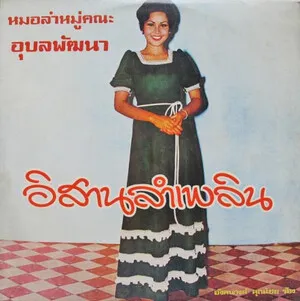
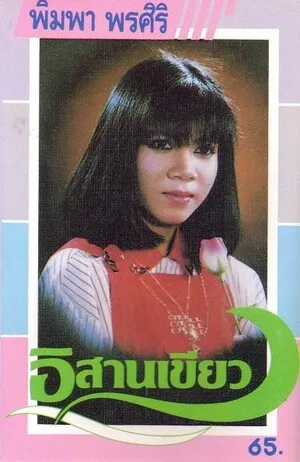
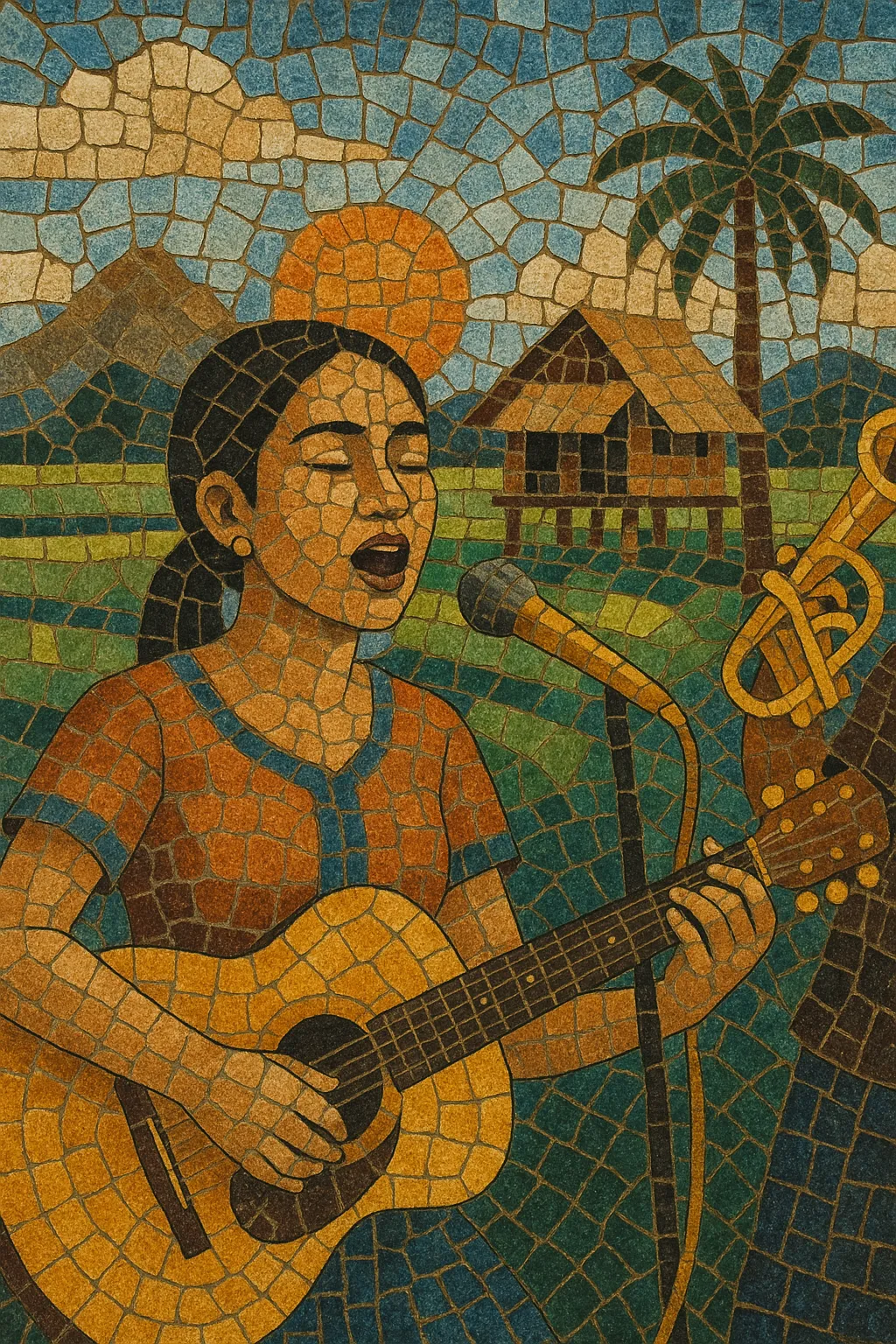
Luk thung (literally “child of the fields”) is Thailand’s rural popular song tradition that crystallized after World War II in central Thailand, especially around Suphan Buri. It blends Western, Latin American, Japanese, Indonesian, and Thai musical elements into songs about country life, migration, romance, and social change.

Stylistically, luk thung favors slow to mid-tempo grooves, expressive vibrato singing with ornamental slides and melismas, and arrangements that fuse Western band instruments (electric guitar, bass, drum kit, brass, accordion/synths, pedal steel) with Thai timbres (khlui flute, fiddles, occasional folk percussion). Rhythms draw from bolero, cha-cha-cha, mambo, ramwong dance beats, and country/waltz feels, while melodies remain recognizably Thai.

The genre was derived from phleng Thai sakon (Westernized Thai popular music) and has long exchanged influences with northeastern mor lam, including frequent use of the Isan language. Over decades it has evolved from radio-era ballads to electrified dance formats, yet it continues to foreground rural identity and heartfelt storytelling.


Sources: Spotify, Wikipedia, Discogs, RYM, MB, user feedback and other online sources

History

Origins (post–World War II)
•   Luk thung emerged in the late 1940s–1950s in central Thailand, growing directly out of phleng Thai sakon (Westernized Thai popular music) and the early-20th‑century modernization of Thai entertainment music. •   Suphan Buri became a creative hub, with local radio, provincial stages, and traveling bands shaping a new rural‑leaning popular style distinct from the more urban luk krung.
Golden Era (1950s–1960s)
•   The 1950s–60s codified the genre’s vocal style (rich vibrato, emotive ornamentation), common forms (ballads and dance numbers), and thematic focus (village life, love, migration to Bangkok, moral tales). •   Studio orchestras and brass/reed sections, alongside electric guitar and drum set, solidified a modern yet Thai-tinged sound. Suraphol Sombatcharoen became a foundational star.
Electrification and Crossover (1970s–1980s)
•   Broader amplification, TV variety shows, and cassettes expanded luk thung nationwide. Arrangements increasingly folded in Latin grooves (bolero, cha‑cha‑cha, mambo), country pedal steel, and disco/synth textures. •   Pumpuang Duangjan modernized the repertoire and stagecraft, fusing dance rhythms with rural poetics and helping to make luk thung a truly mass, national pop phenomenon.
Regional Dialogues and Isan Influence
•   From its beginnings, luk thung was in dialogue with northeastern mor lam traditions. This intensified as artists and audiences from Isan popularized dialect lyrics, khaen‑like phrasing, and rapid dance formats. •   The hybrid offshoot mor lam sing emerged, marrying mor lam vocal lines with luk thung band power and uptempo beats for dance halls and festivals.
Contemporary Era (1990s–present)
•   Labels and TV competitions cultivated new stars who mix luk thung balladry with EDM, hip‑hop hooks, and glossy pop production, while live concert troupes preserve classic brass‑forward sounds. •   Despite stylistic updates and viral platforms, core traits—rural identity, emotional storytelling, and the hallmark vibrato—remain central to the genre’s appeal.

How to make a track in this genre

Core ingredients
•   Tempo and groove: Favor slow to mid-tempo (≈60–120 BPM) ballads and dance feels. Borrow from bolero (4/4 with a gentle habanera lilt), cha‑cha‑cha (syncopated 4/4), mambo/brass hits, ramwong circle-dance patterns, or country waltz (3/4). •   Harmony: Use diatonic progressions (I–IV–V, I–vi–IV–V, ii–V–I), occasional secondary dominants, and key changes for climactic second verses/final choruses. Keep voicings warm for ballads and punchy for dance tracks. •   Melody and voice: Compose tuneful, stepwise melodies that invite expressive vibrato and ornamental slides. Write comfortable tessituras for sustained phrases; allow space for melismas and cadence flourishes. A slightly nasal, ringing timbre is idiomatic.
Instrumentation and arrangement
•   Band foundation: Drum kit (brushes for bolero, crisp rim-clicks for cha‑cha), electric bass (round tone), rhythm/lead electric guitars (clean tremolo or surf/shadow tones), keyboards/accordion or synth pads, and a brass/reed section (trumpets, trombone, saxes) for hooks and call‑and‑response. •   Thai colors: Add khlui (Thai flute), saw duang/saw u (fiddles), or folk percussion accents for local flavor. Pedal steel or slide guitar can reference country influence. •   Orchestration: Introduce instrumental hooks with brass or woodwinds, answer vocal lines with short riffs, and use strings/pads for lush ballads. Backing vocal choruses punctuate refrains.
Lyrics and themes
•   Topics: Rural life, village love stories, separation/migration to the city, filial piety, moral reflection, seasonal festivals. Use vivid imagery (fields, temples, night markets) and colloquial Central Thai or Isan turns of phrase. •   Structure: Verse–refrain form is common; include a memorable, sing‑along chorus. A spoken intro or brief monologue can set the scene.
Production and performance tips
•   Mix aesthetics: Keep the vocal forward, warm, and slightly compressed; highlight vibrato and breath. Balance brass presence without masking the singer. •   Stagecraft: Costumes, choreography, and comedic or folkloric interludes are traditional in live shows—arrange dance numbers between ballads to pace the set.

Main artists

Top tracks

Locked
Share your favorite track to unlock other users’ top tracks

Related labels

Upcoming concerts

in this genre
Influenced by
Has influenced

Download our mobile app

Get the Melodigging app and start digging for new genres on the go
© 2026 Melodigging
Melodding was created as a tribute to Every Noise at Once, which inspired us to help curious minds keep digging into music's ever-evolving genres.
Buy me a coffee for Melodigging