Your digging level
Description
Manele is a contemporary Romanian pop‑folk genre that blends Romani lăutărească traditions with Turkish, Greek, and Middle Eastern modalities, delivered over dance‑ready, electronic arrangements. It is characterized by melismatic vocals, ornate ornamentation, and catchy, repetitive hooks.
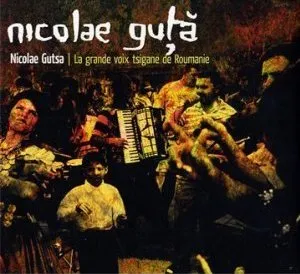
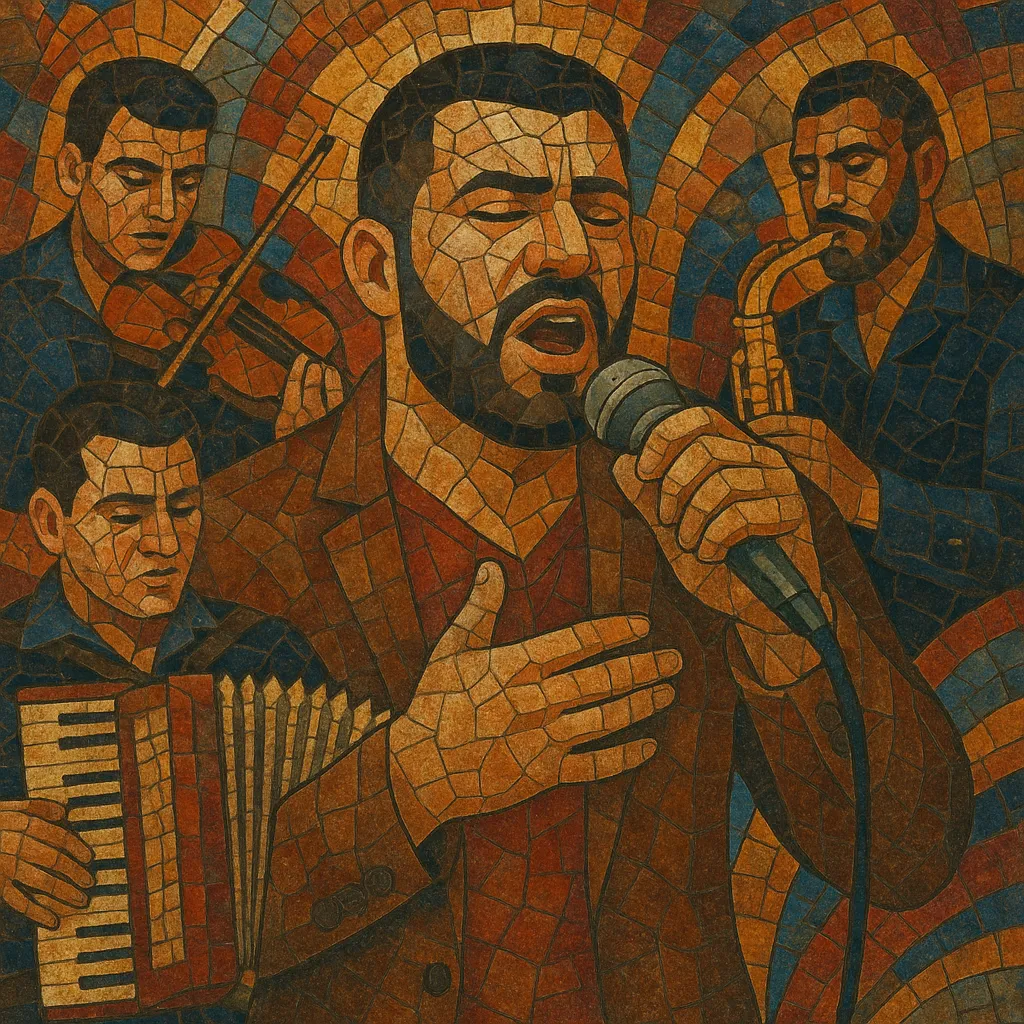
Typical manele productions use arranger keyboards, synths, and drum machines alongside saxophone, accordion, violin, and clarinet lines. Lyrics center on love and heartbreak, pride and social mobility, family celebrations, and nightlife, often performed at weddings and parties.
Despite periodic controversy around class and ethnic prejudice, manele remains one of Romania’s most commercially resilient and widely consumed styles, thriving on YouTube, streaming platforms, and diaspora events.


History
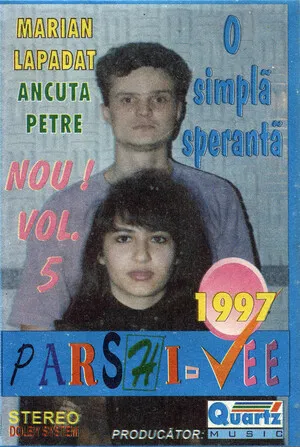
Manele emerged after the fall of communism in Romania, when underground cassette culture and private events allowed Romani (lăutar) musicians to fuse lăutărească songcraft with Turkish and Greek pop (laïko) and Arabic modalities. Early pioneers popularized electronically accompanied, highly ornamented vocal styles at weddings and neighborhood parties.
In the 2000s, manele entered mainstream media via television shows, ringtone culture, and prolific CD/DVD markets. Producers adopted modern dance‑pop drum programming and arranger keyboards, while melodies leaned heavily on Hijaz/Phrygian‑dominant flavors. Themes of love, status, wealth, and resilience resonated with working‑class and migrant audiences, expanding the genre’s reach across the Romanian diaspora.
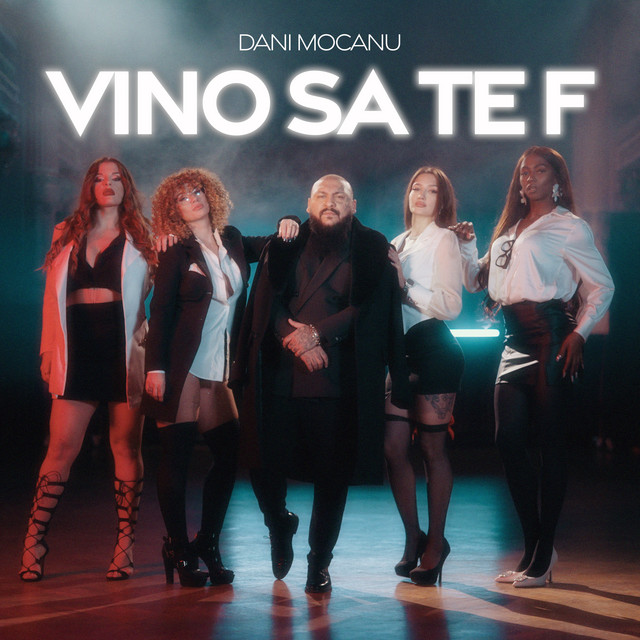
YouTube and social media turbocharged distribution, enabling rapid single cycles, viral hooks, and cross‑border collaborations. A newer wave incorporated trap drums, sub‑bass, and contemporary pop mixing (“trap manele”), while maintaining traditional melismas and modal riffs. Despite recurring public debates around taste and identity, the style continues to dominate celebration circuits and online charts.
Manele’s trajectory reflects post‑1990s urban realities, Romani musical leadership, and Balkan cross‑pollination. The music’s celebratory function—dedications, shout‑outs, and live requests—remains central, preserving its communal, event‑driven DNA even as production aesthetics modernize.