Your digging level
Description
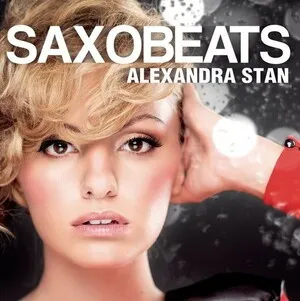
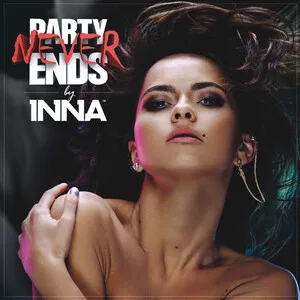
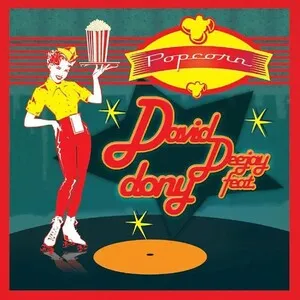
Romanian popcorn is a Romanian-born strain of late‑2000s dance‑pop that fused Europop songwriting with house and trance club rhythms. It is defined by bright, staccato synth plucks that play syncopated riffs, propulsive four‑on‑the‑floor drums, and ear‑catching brass or saxophone hooks.
Producers often layered simple, instantly memorable melodies over minor‑key chord loops at fast tempos, and many songs were performed in English to reach international audiences. Beyond brass and synths, occasional accordion timbres appeared as a signature twist, helping the style stand out on European charts.

History
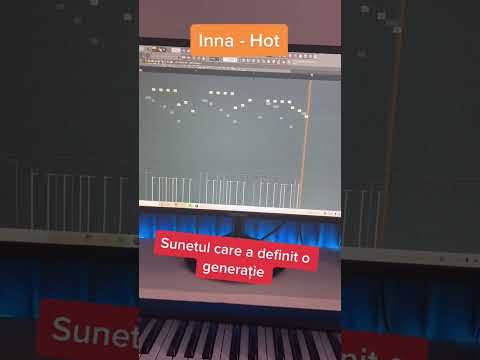
The style emerged in Romania in the second half of the 2000s, when local producers blended Europop and dance‑pop songcraft with house/trance club frameworks. Hallmarks quickly formed: staccato "pluck" synth grooves, syncopated accents, and bright brass/sax leads.
Romanian popcorn gained global visibility as Romanian acts topped charts across Europe and beyond. English‑language singles with streamlined structures, punchy four‑on‑the‑floor beats, and catchy toplines made the sound exportable. Tracks featuring saxophone or accordion hooks became signature moments that defined the wave for international listeners.
While mainstream tastes moved toward other EDM and tropical trends in the mid‑2010s, the genre’s melodic directness, brisk tempos, and plucked‑synth aesthetics left a mark on early pop‑EDM crossovers. Today it is remembered for its distinctive hook design and its role in spotlighting Romania as a pop‑dance production hub.
Aim for 128–132 BPM with a four‑on‑the‑floor kick, tight off‑beat hi‑hats, and snappy claps/snares on beats 2 and 4. Use syncopated staccato pluck patterns to create forward momentum, often accenting the "and" of beats to produce the characteristic bounce.
Work in a minor key with simple looped progressions (e.g., i–VI–III–VII in Aeolian). Keep toplines concise and hook‑driven; brass/sax or bright lead synths should carry a memorable riff that can stand alone. Call‑and‑response between vocal hook and instrumental riff is common.
Build the core with: staccato pluck synth (short decay, light sidechain), a bright lead (saw or square stack), and a brassy layer (real sax/trumpet or high‑quality samples). Add occasional accordion timbre for a signature touch. Use clean subs, sidechained pads, and simple FX sweeps for transitions.
Intro → verse → pre‑chorus (tension) → big chorus with brass/sax hook → breakdown/bridge → final chorus. Keep sections compact; the chorus should hit early and repeat. Drop out drums briefly before choruses to maximize impact.
Write in straightforward, international English with themes of romance, nightlife, and carefree fun. Record clean, upfront vocals with mild saturation and double‑tracking on hooks. Support with tight harmonies and short ad‑libs before downbeats.
Prioritize transient clarity (short plucks, tight drums), sidechain bass/pads to the kick, and carve midrange space for the hook instrument. Use bright but controlled top‑end; the sound should be glossy without harshness.