Your digging level
Description
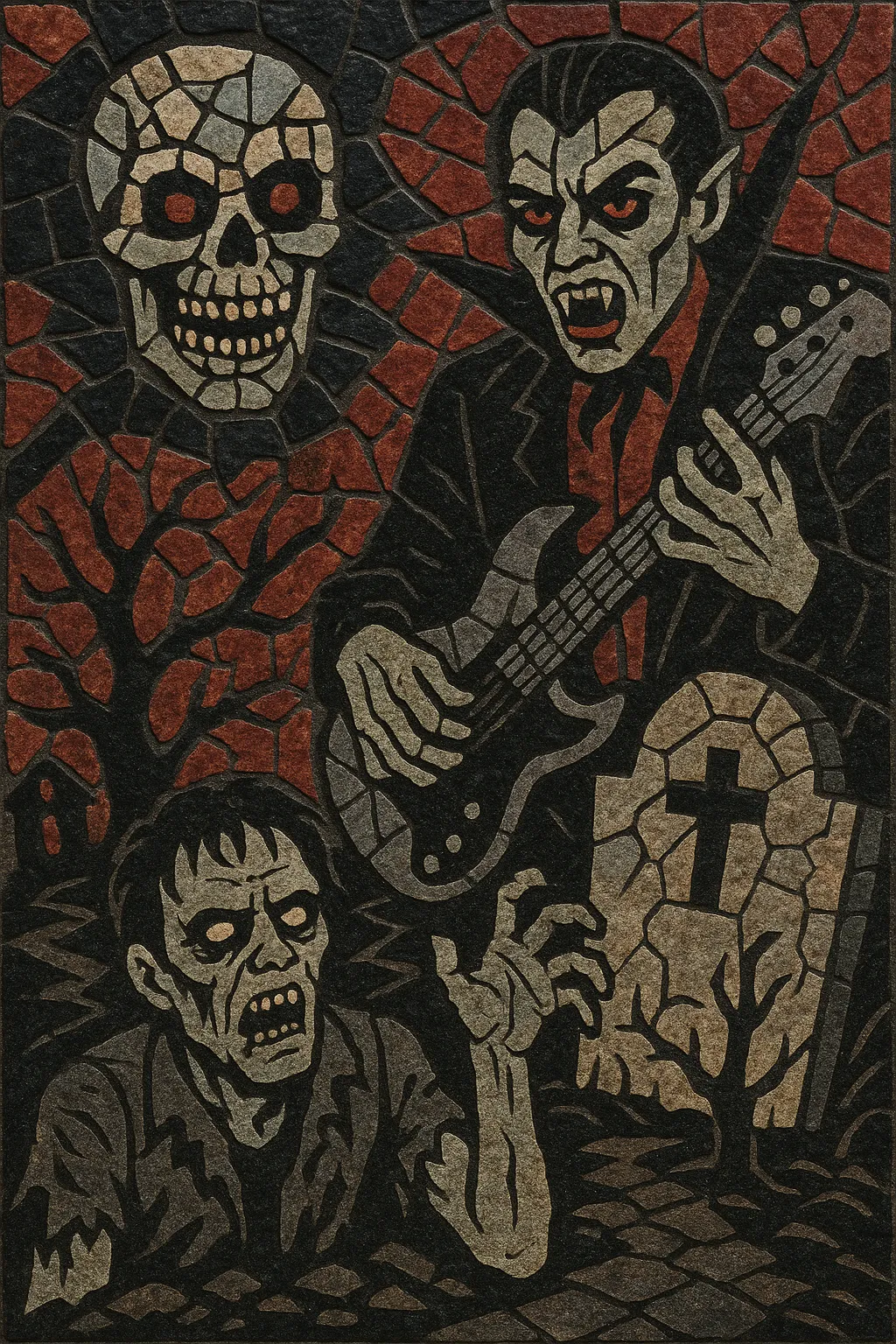
Horror punk is a subgenre of punk rock that fuses fast, aggressive punk energy with macabre imagery, campy B‑movie storytelling, and catchy, melodic hooks. Songs often feature minor-key riffs, gang vocals, and choruses designed for crowd sing-alongs, creating a balance between menace and fun.
The style draws heavily on classic rock ’n’ roll and doo‑wop melodicism filtered through the rawness of 1970s punk. Lyrics reference monsters, graveyards, slashers, and supernatural themes, usually delivered with theatrical flair rather than genuine nihilism, making the mood dark yet playful.


History
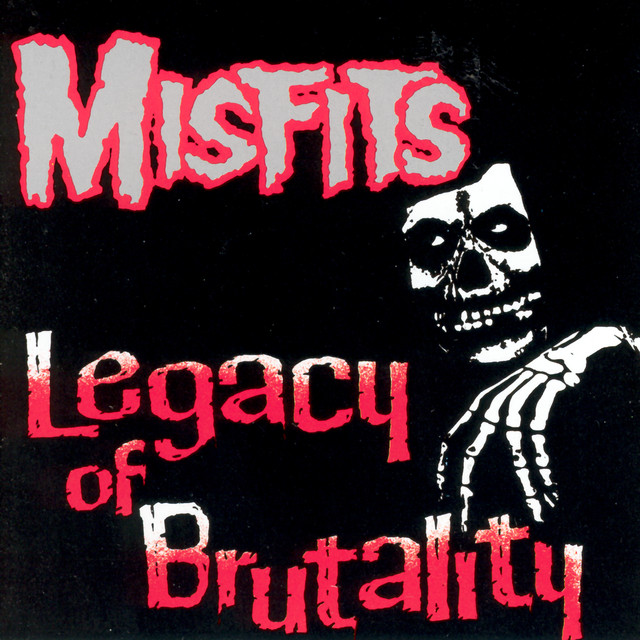
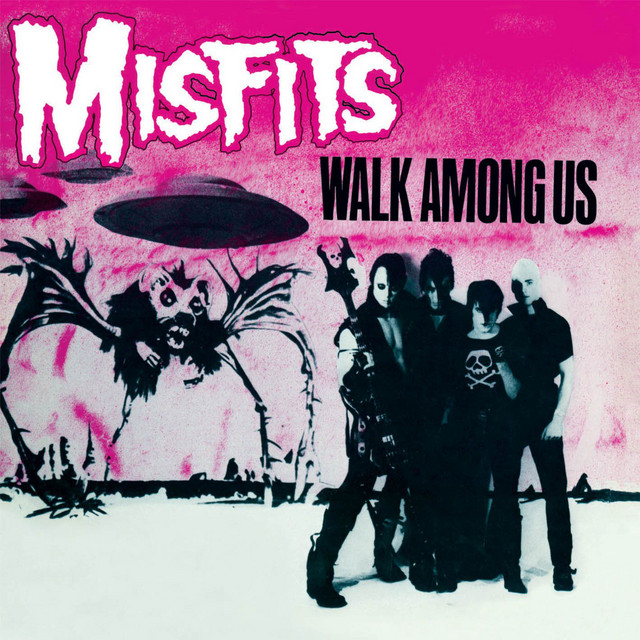
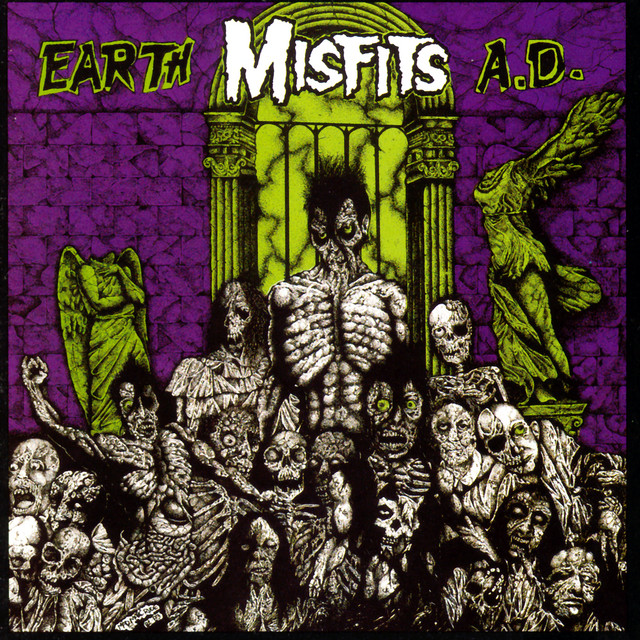
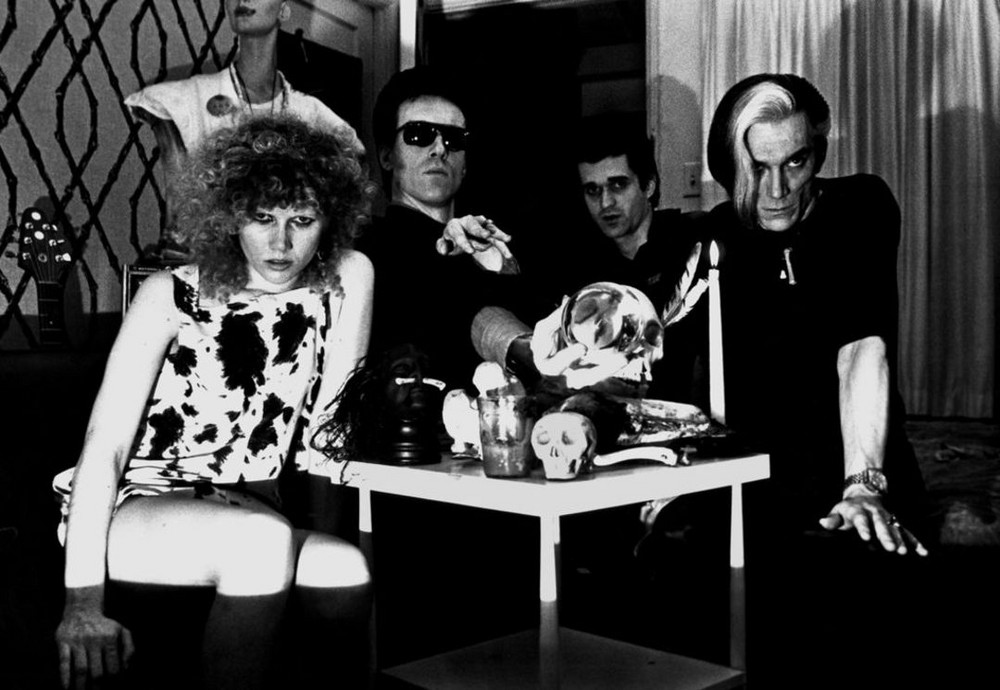
Horror punk emerged in the United States in the late 1970s, most famously through the Misfits, who blended the speed and attitude of punk with 1950s rock ’n’ roll melodicism and lyrics steeped in horror cinema and pulp fiction. Early tracks paired two-minute power‑chord blasts with crooned, anthemic choruses and tongue‑in‑cheek gore.
Through the early 1980s, bands connected horror aesthetics to adjacent sounds: 45 Grave in Los Angeles bridged punk with the darker textures that would be associated with deathrock, while The Damned in the UK brought gothic theatrics to punk audiences. The Undead and other American acts kept the style’s DIY spirit alive, and the scene developed parallel to hardcore punk and nascent goth.
After lineup changes and hiatuses in key bands, the 1990s saw a resurgence of interest, including a revived Misfits lineup that exposed a new generation to the genre’s sing‑along choruses and horror iconography. International scenes flourished—especially in Japan with Balzac—cementing horror punk as a global niche with devoted cult followings.
The 2000s onward brought a wave of dedicated horror punk groups, labels, and festivals. Bands such as Blitzkid, Calabrese, The Other, and others codified the sound’s blend of brisk tempos, melodic choruses, and theatrical presentation. The genre’s influence fed into psychobilly and deathrock while continuing to thrive independently through underground touring, vinyl reissues, and internet subcultures.
Use one or two distorted electric guitars, electric bass, and a punchy drum kit. Add simple keyboard or organ (or even theremin) for eerie textures, but keep the arrangement tight and guitar‑driven.
Write in brisk 4/4 at roughly 160–220 BPM. Favor straight eighth‑note downstrokes on guitar, with punk backbeats (snare on 2 and 4). Sprinkle in stop‑start breaks and drum fills to set up big chantable choruses.
Work primarily in minor keys with power‑chord progressions built from I–VI–VII, i–VI–VII, or I–IV–V shapes adapted to minor tonalities. Keep verses lean and resolve to strong, sing‑along choruses. Use melodic lead lines and gang “whoa‑oh” backing vocals to evoke 1950s rock ’n’ roll and doo‑wop within a punk framework.
Write cinematic, campy horror narratives referencing monsters, graveyards, mad science, and old B‑movies. Balance gore with humor; avoid excessive realism—lean into pulp, irony, and Halloween-style theatrics. Keep lines short and percussive for crowd participation.
Deliver confident, slightly theatrical vocals—half‑crooned, half‑snarled—sitting up front in the mix. Use moderate reverb or slapback to nod to vintage rock ’n’ roll. Production can be raw and lo‑fi but clear enough for hooks and chants to cut through.
Aim for concise 2–3 minute songs with verse/chorus forms, a compact bridge, and a final big chorus. On stage, emphasize visuals—makeup, horror motifs, and synchronized chants—to amplify the genre’s playful menace.