Your digging level
Description
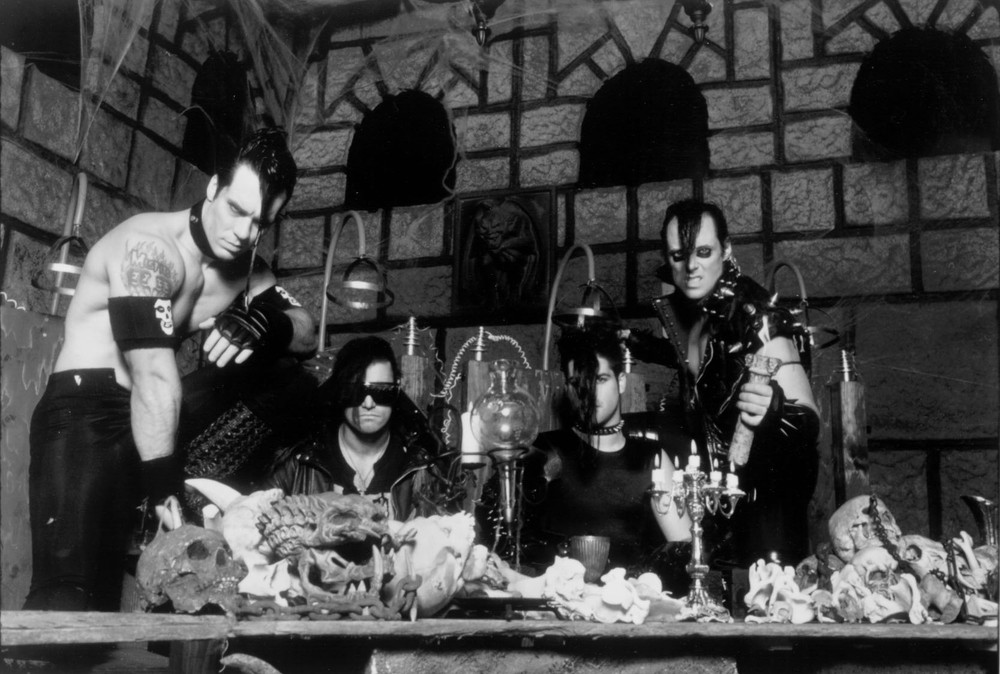
New Jersey punk is the Garden State’s gritty, melodic take on punk, forged in suburban garages, VFW halls, shore clubs, and New Brunswick basements. It blends first‑wave punk’s speed and bite with hardcore’s propulsion and a distinctive ear for big, sing‑along choruses. Lyrically it swings between dark, horror‑tinged imagery (thanks to the Misfits’ shadow) and blue‑collar, coming‑of‑age storytelling rooted in Jersey life.
Across decades, the scene has supported DIY ethics, all‑ages access, and tight regional networks around hubs like Trenton’s City Gardens, Hoboken’s Maxwell’s, and the Court Tavern in New Brunswick. The result is a sound that is at once aggressive and welcoming: gang‑vocal hooks, down‑stroke guitars, pogo‑ready beats, and community‑minded energy.
History
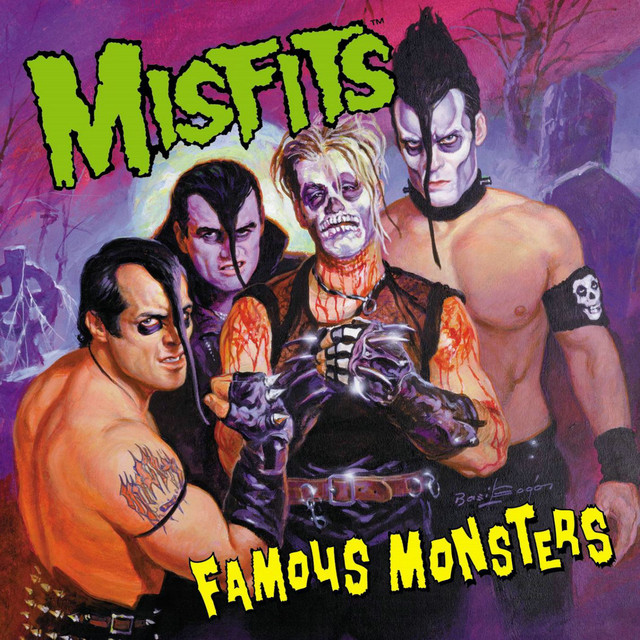
New Jersey punk coalesced in the late 1970s as local bands absorbed the shockwaves from New York and U.K. punk while carving their own identity in the suburbs. The Misfits (Lodi, 1977) helped define the region’s reputation—raw, fast, and theatrical—laying the groundwork for horror punk and a broader Jersey flavor of speed and hooks.
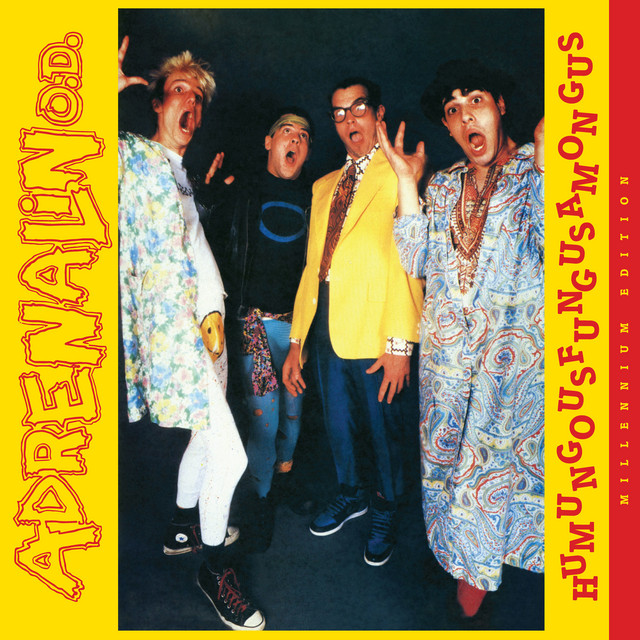
Through the 1980s, the scene accelerated. Adrenalin O.D. and peers pushed tempos and humor, while Trenton’s City Gardens became a crucial tour stop that plugged Jersey into the national punk/hardcore circuit. Hoboken’s Maxwell’s and campus/DIY spaces sustained all‑ages access, zines, and tape trading that strengthened a statewide network.
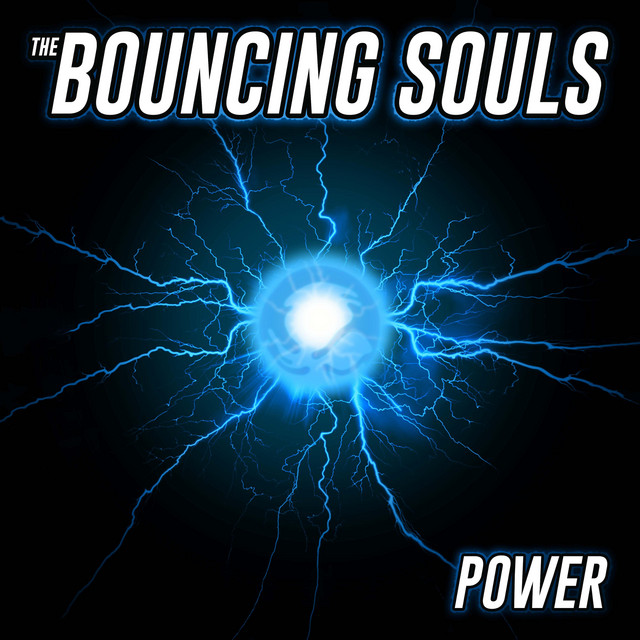
The 1990s brought a melodic surge: The Bouncing Souls built a chant‑along, street‑level pop‑punk model and nurtured it via their Chunksaah label. Lifetime linked hardcore urgency to emotive melodies, influencing emo and melodic hardcore across the U.S. New Brunswick’s basement ecosystem blossomed—house shows, college radio, and small labels kept discovery and community at the center.
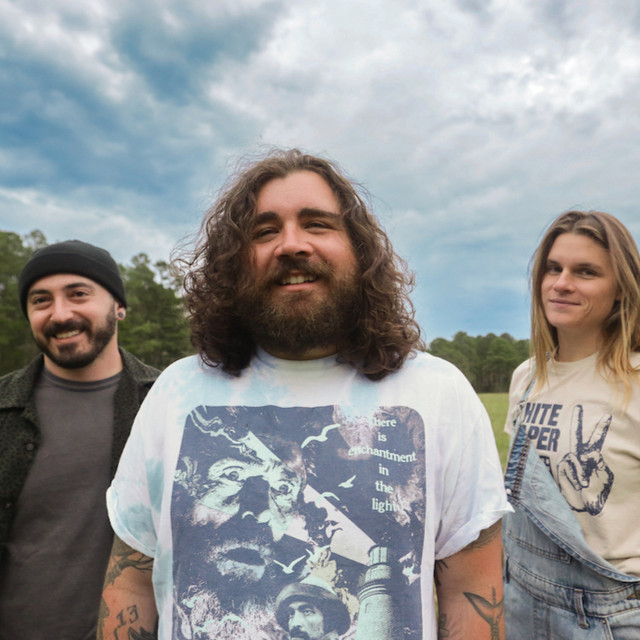
The scene diversified without abandoning its roots. The Gaslight Anthem fused punk momentum with heartland storytelling; The Ergs! refreshed pop‑punk with DIY charm; Screaming Females carried fierce guitar‑driven indie‑punk out of New Brunswick; Streetlight Manifesto injected ska‑punk virtuosity; The Front Bottoms pushed confessional, acoustic‑tinged punk to larger audiences. Throughout, WFMU and college stations, all‑ages spaces, and seasonal basement circuits sustained the pipeline.
New Jersey punk remains a living, intergenerational network. Seasonal basement tours, benefit comps, and community labels continue the DIY ethic, while the state’s proximity to New York and Philadelphia keeps shows frequent and scenes cross‑pollinated. The core traits—speed, hooks, local pride, and inclusivity—still define the sound and culture.