Your digging level
Description
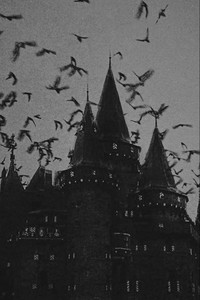
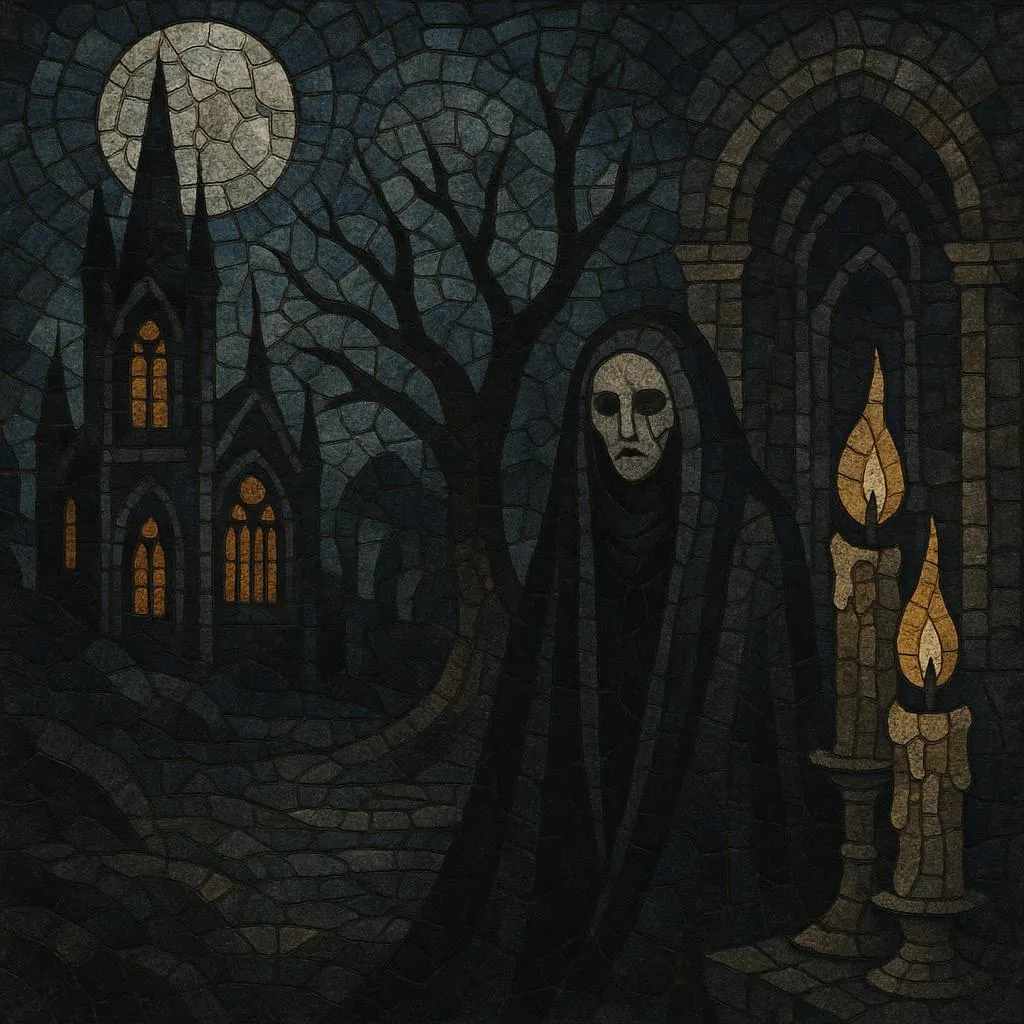
Gothic horror (in music) is an atmospherically driven dark style that draws on the imagery and sensibilities of Gothic art and literature—cathedrals, ruins, nocturnal rituals, funereal dress—to evoke a bleak, uneasy, and dreamlike mood.
Musically it blends the brooding pulse of post‑punk and dark wave with church‑like organs, choirs, tolling bells, and orchestral colors inherited from Baroque and Romantic concert music. Expect minor keys, chant‑like melodies, chromatic harmonies, deep reverbs, and slow to mid‑tempo beats that suggest ritual procession as much as rock or electronic dance. Whether produced by rock bands, dark‑ambient projects, or soundtrack‑oriented composers, the result is cinematic, somber, and slightly otherworldly—like stepping into a candlelit nave at midnight.
History
Gothic horror’s musical DNA crystallized at the turn of the 1980s, when post‑punk acts began to fuse stark basslines and tom‑heavy drums with reverb‑laden guitars and church‑like sonorities. Although the aesthetic roots reach back to Gothic literature (18th–19th centuries) and the soundworlds of Baroque and Romantic sacred/orchestral music, the immediate precursors were post‑punk and dark wave.
Early gothic rock and dark‑wave bands established the sonic palette—minor modes, tolling chords, spectral vocals—while visual motifs (Victorian dress, ecclesiastical architecture) anchored the style in Gothic imagery. Simultaneously, horror film scoring drew on pipe organs, choral textures, and chromatic orchestration, reinforcing the genre’s bleak and dreamlike qualities across popular culture.
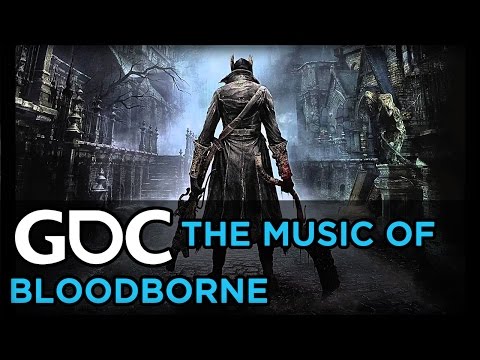
The aesthetic expanded in two directions: toward neoclassical/dark‑ambient projects that emphasized choirs, strings, and drones; and toward heavier metal scenes that adopted Gothic horror’s choral/orchestral grandeur. Independent composers created “imaginary soundtracks” for haunted attractions and games, popularizing a ritual, candlelit mood.
Streaming culture and horror‑adjacent subgenres (dark ambient, dungeon synth, horror synth) kept the sound vital. Producers hybridize vintage organs and choirs with analog synths, granular textures, and post‑production reverbs, maintaining the core promise of Gothic horror: a somber, uncanny beauty that feels both liturgical and cinematic.