Your digging level

For this genre
0/8
🏆
Sign in, then listen to this genre to level up

Description

Gothabilly is a dark, retro-leaning fusion of gothic rock’s atmosphere and imagery with the twangy drive of rockabilly and the raw energy of psychobilly.

It typically features slapback-echo guitars, walking or slap upright bass, shuffling or train-beat drums, and crooning baritone or snarling punk-influenced vocals. Lyrical themes draw on horror cinema, graveyard romance, pulp occultism, and campy B‑movie aesthetics, delivered with a mix of tongue‑in‑cheek humor and macabre melodrama.

Musically, gothabilly balances minor‑key progressions and chromatic riffs against classic rock ’n’ roll forms, often adding reverb‑drenched tremolo picking, haunted organ or theremin flourishes, and a theatrical, midnight‑movie vibe.


Sources: Spotify, Wikipedia, Discogs, Rate Your Music, MusicBrainz, and other online sources

History

Origins (late 1970s–1980s)

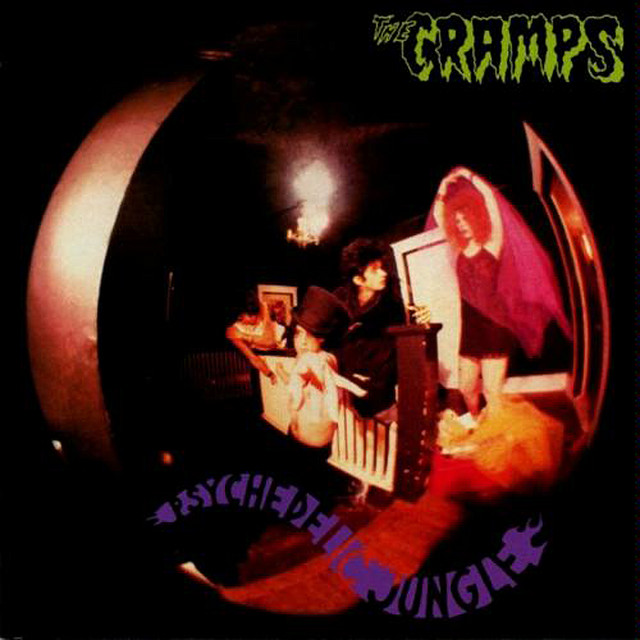
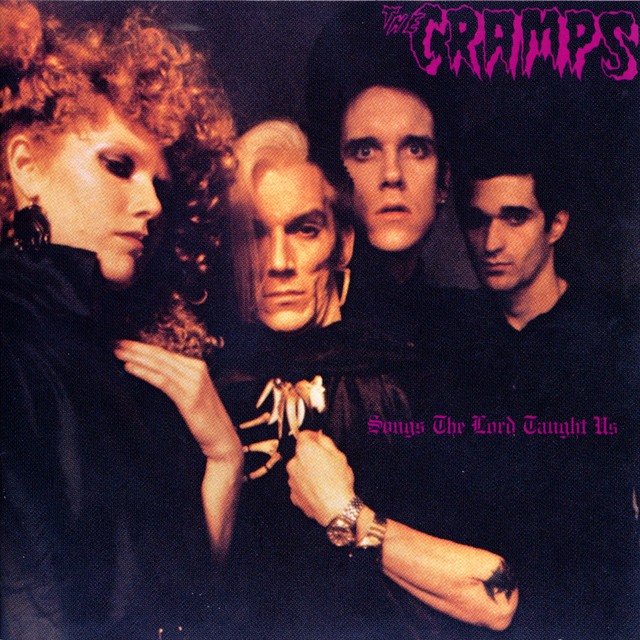
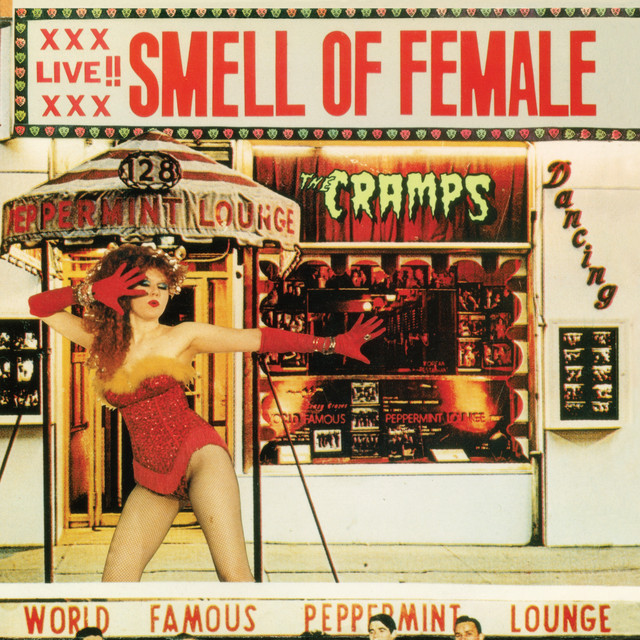
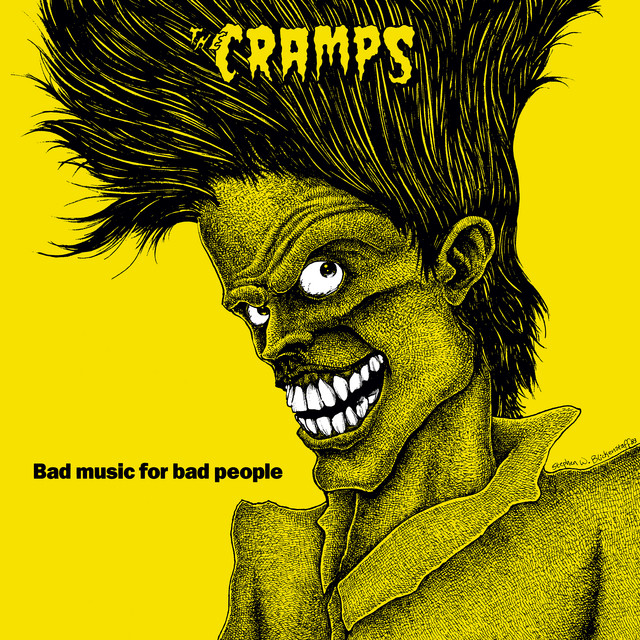
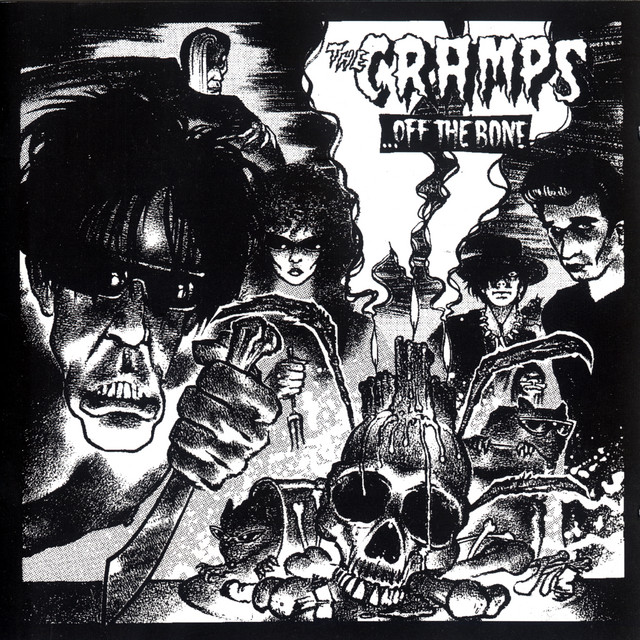
Gothabilly emerged as scenes around punk, rockabilly revival, and early goth/deathrock cross‑pollinated, especially in the United States and the UK. Proto‑psychobilly and spooky rock ’n’ roll by acts like The Cramps opened the door to fusing rockabilly rhythm with horror‑themed theatrics and a darker, post‑punk sensibility.

Consolidation and Scene Culture (1990s)

Through the 1990s, independent labels and club nights grouped bands mixing deathrock atmospheres with rockabilly slap and surf‑noir guitar. Compilation albums and themed festivals (often overlapping with psychobilly and horror‑punk scenes) helped codify the term “gothabilly,” highlighting the aesthetic: pompadours and victory rolls in black, coffin case gear, and B‑movie visuals.

2000s–2010s: Visibility and Crossover

The 2000s saw broader exposure via compilations, tour packages, and internet communities. Acts blended in surf, country‑noir, and goth ’n’ roll, while production embraced vintage tones (spring reverb, tape echo) alongside modern punch. The style remained proudly niche yet international, with U.S. and European scenes trading influence and members.

Today

Gothabilly continues as a cult subculture connecting rockabilly classicism to goth’s theatrical darkness. While often overlapping with psychobilly and horror punk, its hallmark is the union of shadowy, romantic atmosphere and rootsy, danceable rock ’n’ roll swing.

How to make a track in this genre

Core Instrumentation
•   Guitar: Hollow‑body or twang‑friendly solid‑body with single‑coils; use spring reverb and slapback delay. Employ tremolo picking, low string riffs, and surf‑noir lines. •   Bass: Upright (preferably) with slap technique, or electric with percussive attack; walking lines and two‑feel patterns are common. •   Drums: Swinging backbeat, train beats, and shuffles at medium to brisk tempos (≈120–170 BPM). Use rimshots, brushes, and floor‑tom pulses for drama. •   Keys/Extras: Haunted organ, vibraphone, baritone sax stabs, or theremin for vintage horror color.
Harmony & Melody
•   Favor minor keys (A minor, E minor) with I–VI–VII or I–bVII–IV rock progressions; add chromatic movement and diminished passing chords for suspense. •   Use blues inflections (b3, b5, b7), parallel minor tonal shifts, and spooky melodic hooks with reverb‑laden sustains.
Rhythm & Groove
•   Keep it danceable: strong backbeat, swung eighths, and upright‑bass walk. Contrast tight verse grooves with explosive, echoing choruses. •   Incorporate stop‑time hits and surf‑style drum fills to heighten B‑movie tension.
Vocals & Lyrics
•   Vocals range from crooning baritone to sneering punk. Stack call‑and‑response “whoa‑ohs” or ghostly harmonies. •   Lyrical themes: cemeteries, moonlit drives, pulp occult, tragic romance, campy monsters—delivered with dark humor and gothic melodrama.
Production & Aesthetics
•   Aim for retro: tape‑style slapback on vocals and guitar, spring reverb, and modest saturation. Keep drums present but not overly modern or clinical. •   Visuals matter: monochrome or lurid pulp colorways, classic horror typography, and vintage attire to reinforce the mood.
Arrangement & Form
•   Compact songs (2:30–3:30) in verse‑chorus, with instrumental breaks featuring twangy leads or organ solos. •   Endings can be cold stops, cavernous echo fades, or horror‑stinger chords for theatrical effect.

Top tracks

Locked
Share your favorite track to unlock other users’ top tracks
Influenced by
Has influenced
No genres found
Challenges
Digger Battle
Let's see who can find the best track in this genre
© 2026 Melodigging
Melodding was created as a tribute to Every Noise at Once, which inspired us to help curious minds keep digging into music's ever-evolving genres.
Buy me a coffee for Melodigging