Your digging level
Description
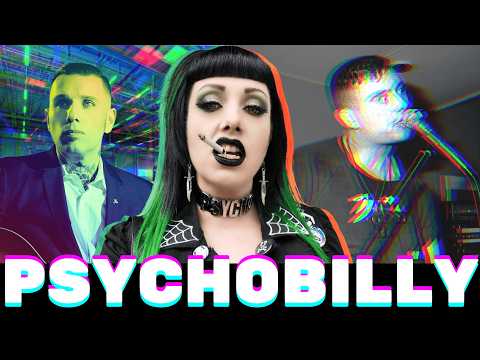
Deep psychobilly is an underground, purist-leaning strain of psychobilly that foregrounds the rawest, darkest, and most hard-driving elements of punk-charged rockabilly.
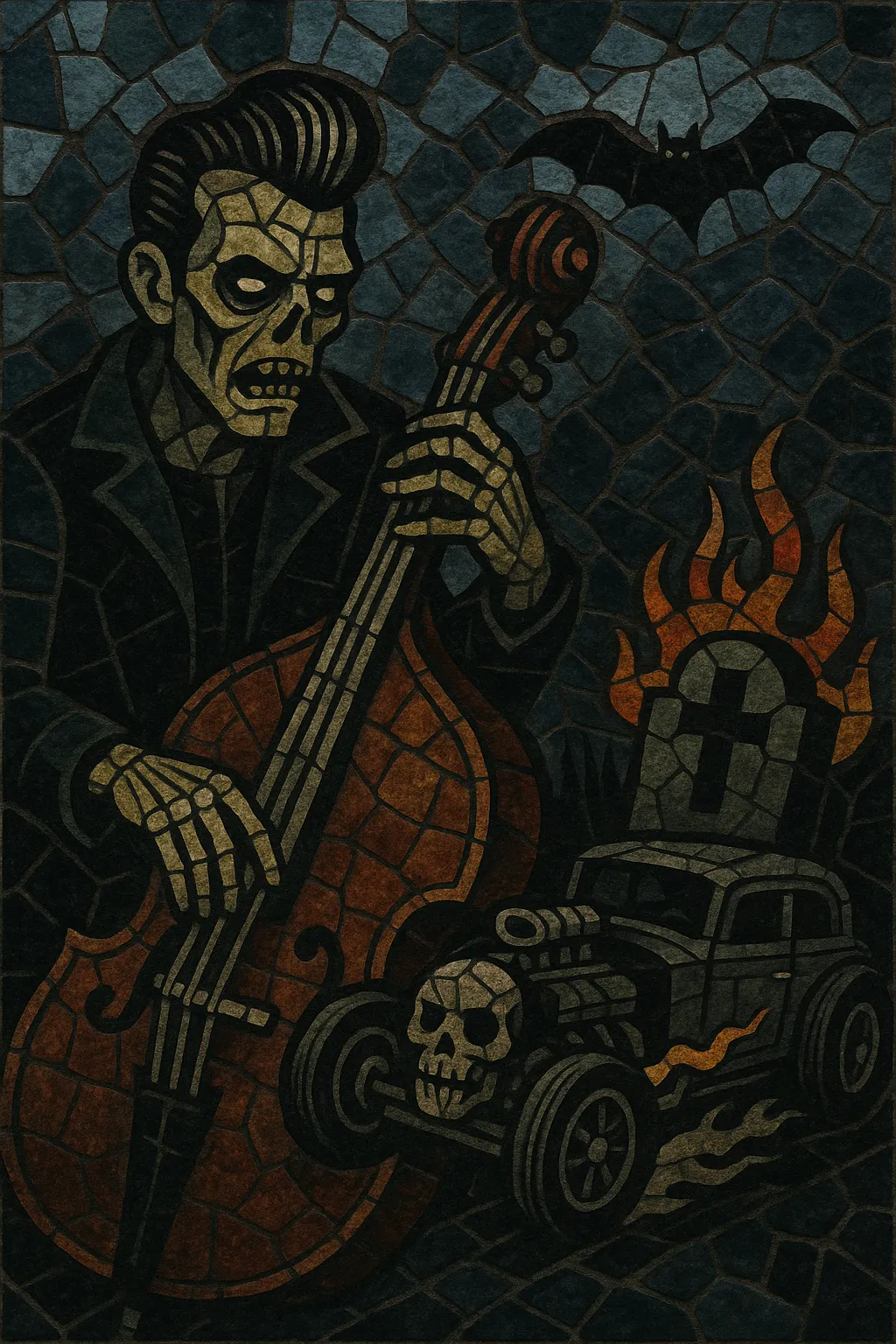
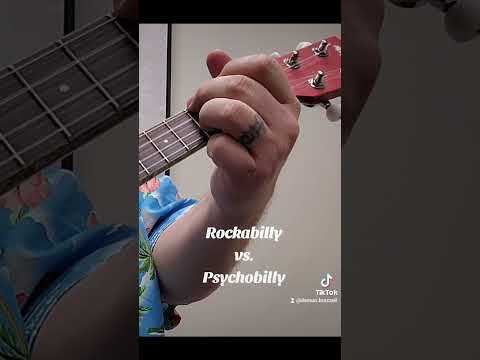
It centers on slap‑back drenched twang guitar, pounding upright slap bass, and snare-forward, high-tempo drumming, while leaning into macabre B‑movie, hot‑rod, and pulp-horror imagery. Compared with broader, more crossover-friendly psychobilly, the “deep” variant favors minimal, gritty production, minor-key riffs, and a relentless live energy that evokes the formative UK/European club circuit of the 1980s.

History
Psychobilly coalesced at the turn of the 1980s as punk rock’s velocity met rock and roll’s earliest “billy” DNA and rockabilly slap rhythm. Bands like The Cramps (USA) and The Meteors (UK) pushed tremolo-and-reverb guitar tones, upright slap bass, and horror-sploitation themes into club-ready, high-BPM songs. In London, venues such as the Klub Foot and labels like Nervous and Anagram documented this emerging sound, codifying the scene’s style, look, and attitude.
“Deep psychobilly” refers to the core, uncompromising sound within that broader movement: fast, lean arrangements, snarling vocals, minor-key or chromatic riffs, and a no-frills, analog-leaning production aesthetic. It emphasizes first- and second-wave UK/European acts and adjacent diehards who kept the genre’s rawness intact—less swing, more stomp; less polish, more menace.
By the 199s and 2000s, scenes flourished in Germany, the Netherlands, Scandinavia, and the United States. Bands like Batmobile, Mad Sin, and Nekromantix broadened the touring circuit and discographies without diluting the foundational grit. Independent festivals and fan zines helped sustain an international network, keeping “deep” psychobilly’s aesthetics distinct from pop-leaning revival strains.
Deep psychobilly’s visual and lyrical vocabulary (tattoo flash, monster-movie camp, hot rods) and its sound (slap bass attack, surf-inflected guitar, punk tempos) fed into gothabilly, pockets of cowpunk, and darker garage-punk hybrids. Today the tag often signals crate-dug cuts, formative-era recordings, and modern bands who preserve that stark, high-octane template.