Your digging level
Description
Muzică de mahala (literally "neighborhood/suburb music") is a modernized urban folk-pop from Romania that crystallized in the 1980s.
It blends the vocal ornaments and repertoire of Romani and Romanian lăutar traditions with the synthesizer-forward sound and commercial aesthetics of Balkan pop-folk from neighboring countries.
Built for weddings, parties, and nightlife, it uses electronic rhythm sections, keyboards, saxophone, accordion, and violin to support melismatic vocals that move between heartfelt balladry and exuberant dance numbers. Its harmonic language often highlights minor keys and Phrygian-dominant colors borrowed from Turkish/Arabic-influenced pop-folk, wrapped in verse–chorus hooks designed for mass appeal.
History
Before the 1980s, urban "mahala" culture in Romania already had a musical voice through lăutari (professional Romani musicians) performing wedding repertoire, café-concert songs, and city folk forms. These provided the melodic vocabulary (ornamented singing, violin and accordion lines) and the social function (festive, communal music).
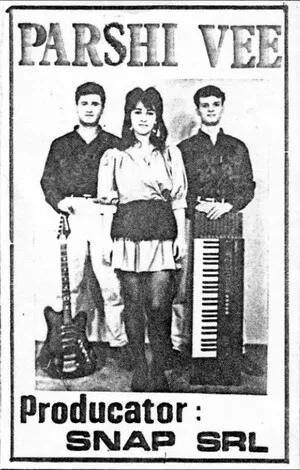
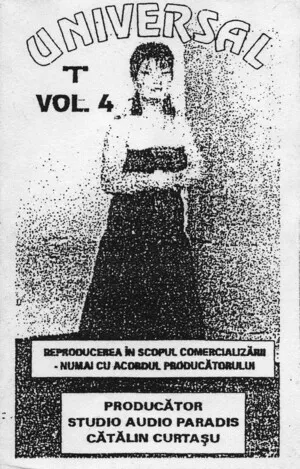
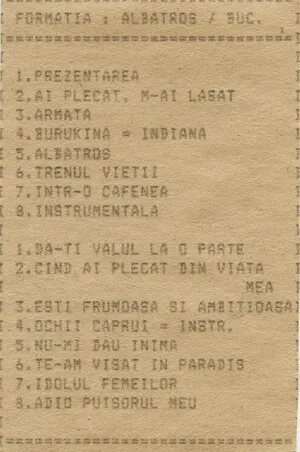
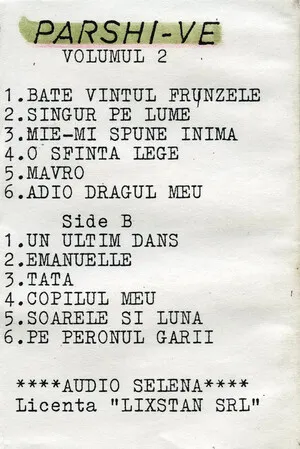
Muzică de mahala, in its modern sense, appeared in the 1980s, explicitly incorporating electronic instruments and production, and taking cues from Balkan pop-folk currents (Serbian turbo-folk, Bulgarian chalga, Greek laïko) that were flourishing in neighboring countries. Drum machines, synth bass, and string pads replaced or doubled traditional rhythm sections, while saxophone and accordion remained key solo voices. Cassette economies, private parties, and weddings were crucial early circuits for diffusion.
After 1989, the style rapidly professionalized through studios, independent labels, and wedding-band networks. Producers and bandleaders streamlined song forms toward catchy refrains and radio-friendly lengths. The scene overlapped heavily with, and directly fed into, the rise of manele—sharing performers, writers, and audiences—while maintaining a slightly broader umbrella for electronic urban party music rooted in lăutar practice.
Today, muzică de mahala persists as a live and recorded party style, while its DNA permeates manele, Romanian pop, and even trap crossovers. Contemporary acts fold in modern club sonics (808s, autotune), yet the core signatures—melismatic vocals, minor/Phrygian-dominant flavor, and dance-ready mid-tempos—remain intact.
Like related Balkan pop-folk, the genre can be polarizing in cultural debates, but it remains essential to social life (weddings, christenings, local festivals) and urban nightlife. It is a living example of how traditional performance practice adapts to electronic instrumentation and pop markets.


Best playlists