Your digging level
Description
Snap (often called snap rap) is a minimalist Southern hip hop style that foregrounds finger snaps in place of snares or claps, bouncy 808 bass, and chantable hooks. Emerging from Atlanta club culture in the early-to-mid 2000s, it favors sparse, dance-led grooves and simple, catchy melodies designed for call-and-response and line-dance moves.
Beats typically sit around 70–80 BPM (or a 140–160 BPM double-time feel), with crisp snaps on the backbeat, subby 808 kicks, skittering hi-hats, and a few bright bell, marimba, or square-lead motifs. Lyrically, snap centers on party energy, dance instructions, swagger, and flirtation, keeping verses short and hooks repetitive for instant crowd appeal.
History
Snap crystallized in Atlanta, Georgia—especially the Bankhead scene—where club DJs and local producers stripped crunk’s rowdy energy down to a skeleton of 808s, finger snaps, and chantable hooks. Producers such as K-Rab helped codify the sound in local parties and mixtapes, emphasizing a dance-first, hook-forward approach.
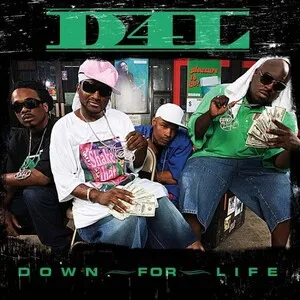
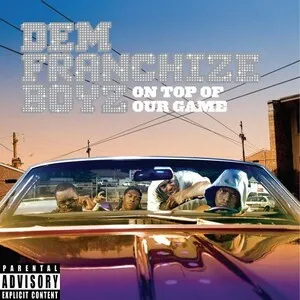
Snap crossed over when D4L’s “Laffy Taffy” (2005, prod. K-Rab) hit No. 1 on the Billboard Hot 100, followed by Dem Franchize Boyz’s “Lean wit It, Rock wit It” (2006) and Unk’s “Walk It Out” (2006). The Ying Yang Twins’ “Wait (The Whisper Song)” (2005, prod. Mr. Collipark) showcased the genre’s ultra-minimal, whisper-vocal aesthetic. Lil Jon’s “Snap Yo Fingers” (2006, with E-40 and Sean P) cemented the term in mainstream consciousness. The sound’s concise hooks and clean sonics dovetailed with the ringtone era, making snap a dominant club and radio presence.
Critics sometimes dismissed snap as overly simple “ringtone rap,” but its functional minimalism served dance floors exceptionally well. The genre’s reliance on chant hooks, dance call-outs, and highly audible snaps made it instantly legible in clubs and on radio, influencing how pop and hip hop arranged hooks and percussion in the late 2000s.
By the late 2000s, snap’s commercial dominance waned as trap and electro-leaning rap rose. Yet its DNA persisted in West Coast jerkin’ and ratchet scenes, as well as in pop-rap’s taste for bare, hook-centric beats and finger-snap backbeats in R&B and mainstream pop. The genre’s template—sparse drums, booming 808s, and earworm hooks—remains a go-to formula for dance-led hip hop.

%2C%20Cover%20art.webp)