Your digging level
Description
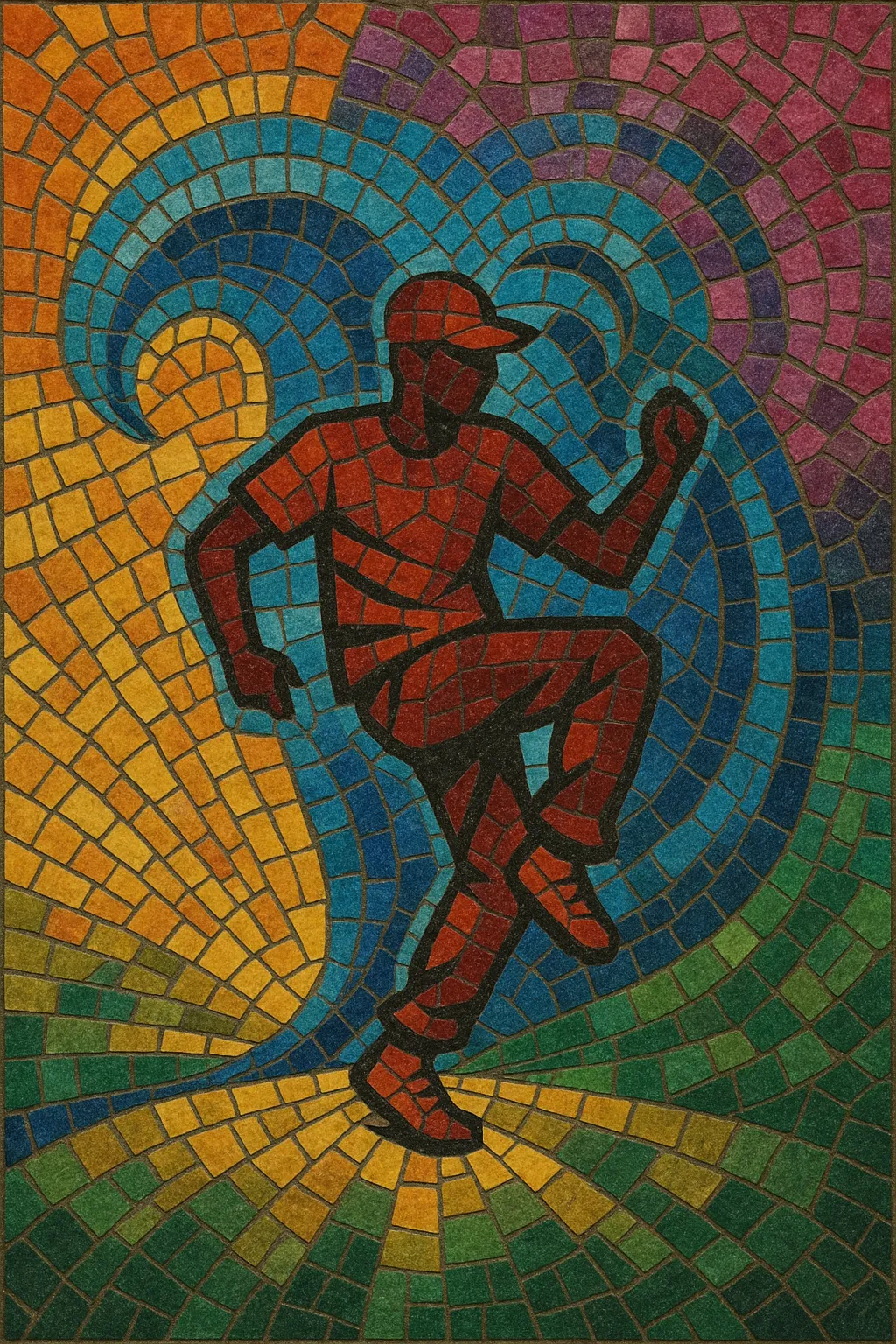
Crank wave is an internet-born, dance-rap microgenre rooted in the late-2000s Southern United States. It is defined by minimal, ultra-catchy snap-era drum programming, bright toy-like synth leads (often reminiscent of steel pans or simple square waves), and chant-heavy, call‑and‑response hooks.
Songs typically double as instructions for a viral dance, with verses and ad‑libs geared toward crowd participation. The aesthetic is DIY and ringtone-ready: short, loopable beats, big claps, booming 808s, and hooks that can be learned in seconds. Distribution and success were driven by MySpace, early YouTube uploads, and user-generated dance videos.


History
Crank wave emerged during the mid–late 2000s, when inexpensive DAWs and social media (MySpace and early YouTube) enabled teens and local scenes to turn dance routines into hits. Its catalytic moment was Soulja Boy Tell 'Em’s breakout with “Crank That (Soulja Boy)” (2007), whose stripped snap beat, bright lead, and step-by-step dance spawned a flood of copycat “Crank Dat [X]” tracks.
Producers leaned on sparse 808s, claps on 2 and 4, and simple monophonic riffs that worked well through phone speakers. Artists uploaded tracks alongside dance tutorials, and regional crews amplified them at pep rallies, school dances, and block parties. The meme-like titling and hook structures made it easy for anyone to participate, fueling thousands of user-made videos and localized remixes.
Between 2007 and 2009, crank wave bled into broader snap/crunk radio success. National hits from the Southern dance-rap continuum—often featuring instructional hooks and chanty ad‑libs—traveled via ringtones, mixtapes, and club DJs.
Though the initial wave cooled as trap and blog rap rose in the 2010s, crank wave’s blueprint—short loops, participatory hooks, and platform-native dances—directly foreshadowed later social-media rap cycles. Its DNA is audible in jerk-era West Coast dance rap and, later, in TikTok-driven micro-hits that pair simple beats with instantly teachable choreography.