Your digging level
Description
Baton Rouge rap is a regional strain of Southern hip hop rooted in Louisiana’s capital, known for gritty street realism, minor‑key melodies, and heavy 808-driven production. It blends the raw urgency of Dirty South and gangsta rap with an emotive, often sung delivery that foregrounds pain, survival, loyalty, and neighborhood pride.
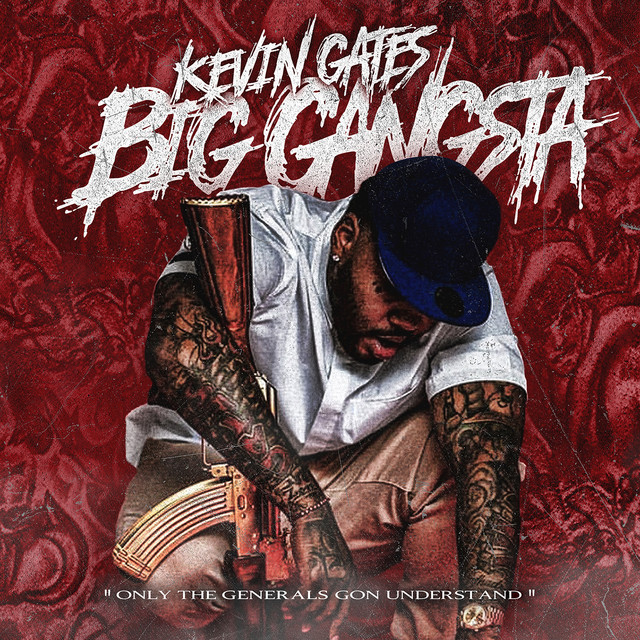
Compared with nearby New Orleans bounce, Baton Rouge rap is less call‑and‑response party music and more tense, street-centered storytelling. Producers frequently use detuned 808 subs, crisp claps, skittering hi‑hat rolls, bell and piano motifs, and moody synth pads. The vocal approach ranges from forceful, percussive rapping to melodic crooning, a signature heard in artists like Kevin Gates and YoungBoy Never Broke Again. Local slang ("Jigga City"), references to crews and neighborhoods, and dance-adjacent "jig" rhythms add distinct Baton Rouge identity.
History
Baton Rouge’s independent scene coalesced around crews and small labels, with C‑Loc and Max Minelli laying groundwork and mentoring a new generation. The city’s identity—both separate from and adjacent to New Orleans—shaped a harder, more narrative-heavy sound that drew on Dirty South momentum while reflecting local realities.
The 2000s marked national visibility via Trill Entertainment and the rise of Lil Boosie (later Boosie Badazz) and Webbie. In‑house producer Mouse On Tha Track helped define the sonic palette: menacing bass, earworm piano/bell lines, and club‑ready drums. Tracks like “Wipe Me Down” and “Independent” turned the city’s “jig” energy into mainstream moments while keeping the streets front-and-center.
Kevin Gates pushed a confessional, melodic approach—blending hard verses with sung hooks—that broadened BR’s commercial footprint (“I Don’t Get Tired,” “2 Phones”). YoungBoy Never Broke Again accelerated the template with relentless releases and emotionally raw delivery, making the Baton Rouge sound a touchstone for Gen‑Z street rap. Parallel local movements (TBG vs. rivals) and artists like Fredo Bang kept the city’s voice prominent online.
Streaming cemented Baton Rouge rap as a national influence on melodic street/trap. New waves of artists, YouTube-first rollouts, and beat styles that prioritize deep subs and tense, minor-key loops maintain the city’s edge. Despite broader exposure, the scene remains rooted in local narratives, slang, and dance-adjacent bounce/jig feel.