

Your digging level
Description
Disco rap is the earliest commercially recorded style of rap music, fusing MC party routines with the four-on-the-floor pulse, string and horn arrangements, and bass-forward grooves of late-1970s disco and funk.
Built for 12-inch singles and club sound systems, its tracks are long, dance-oriented, and structured around extended vamps, crowd participation, and call-and-response hooks. Early releases typically used live studio bands to replay famous disco breaks (most iconically Chic’s "Good Times") before drum machines and samplers gradually entered the toolkit.
Lyrically, disco rap centers on party-rocking, braggadocio, shout-outs, and light storytelling delivered in clear, rhythmic cadences designed to keep dancers engaged on the floor.

History
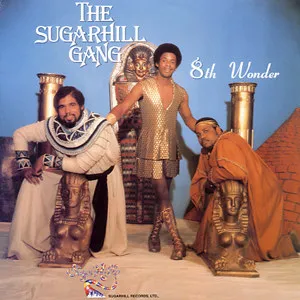
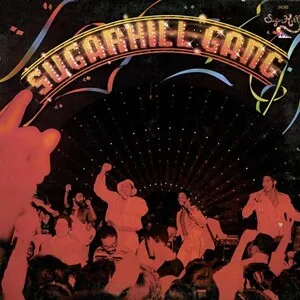
Disco rap grew out of New York City block-party culture, where DJs isolated and extended the funkiest sections of disco and funk records for dancers, while MCs hyped the crowd over the microphone. In 1979, two landmark singles took this live practice onto vinyl: The Fatback Band’s "King Tim III (Personality Jock)" and The Sugarhill Gang’s "Rapper’s Delight." The latter, built on a replay of Chic’s "Good Times" groove and produced by Sylvia Robinson for Sugar Hill Records, became rap’s first global hit and defined the sound of disco-backed MCing.
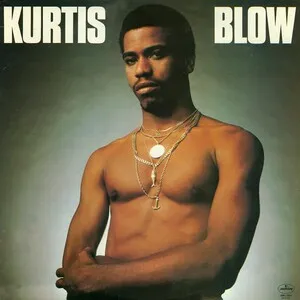
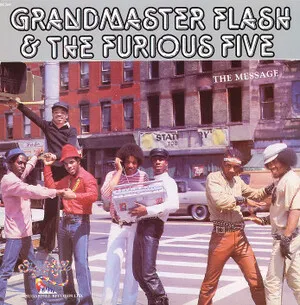
Early disco rap recordings favored live studio bands that recreated popular disco/funk breaks with steady four-on-the-floor drums, syncopated octave-jumping basslines, rhythm guitar comping, and sweetened strings or horns. Acts like Kurtis Blow ("Christmas Rappin’", "The Breaks"), Grandmaster Flash and the Furious Five ("Freedom"), Funky 4 + 1 ("That’s the Joint"), The Sequence ("Funk You Up"), Jimmy Spicer ("Adventures of Super Rhyme"), and the Crash Crew issued extended 12-inch singles featuring party-themed chants, group routines, and breakdowns for dancers.
As the early 1980s progressed, drum machines (notably the Roland TR-808), synths, and more rigid electronic grooves began to replace the live disco band format. Afrika Bambaataa & the Soulsonic Force’s "Planet Rock" (1982) accelerated the shift toward electro-funk and electronic hip hop aesthetics. At the same time, the broader "disco backlash" and evolving studio technology steered rap away from string-laden arrangements toward sparser, punchier productions.
Disco rap provided rap’s commercial breakthrough and a template for party-oriented, radio-friendly MCing. Its long-form 12-inch structure, call-and-response crowd work, and bass-driven grooves informed old school hip hop, pop rap, and early electro-funk. Even as production tools changed, the genre’s emphasis on danceability and charismatic MC performance remained foundational to hip hop’s development.

Top albums
Best playlists




