Your digging level

For this genre
0/8
🏆
Sign in, then listen to this genre to level up

Description

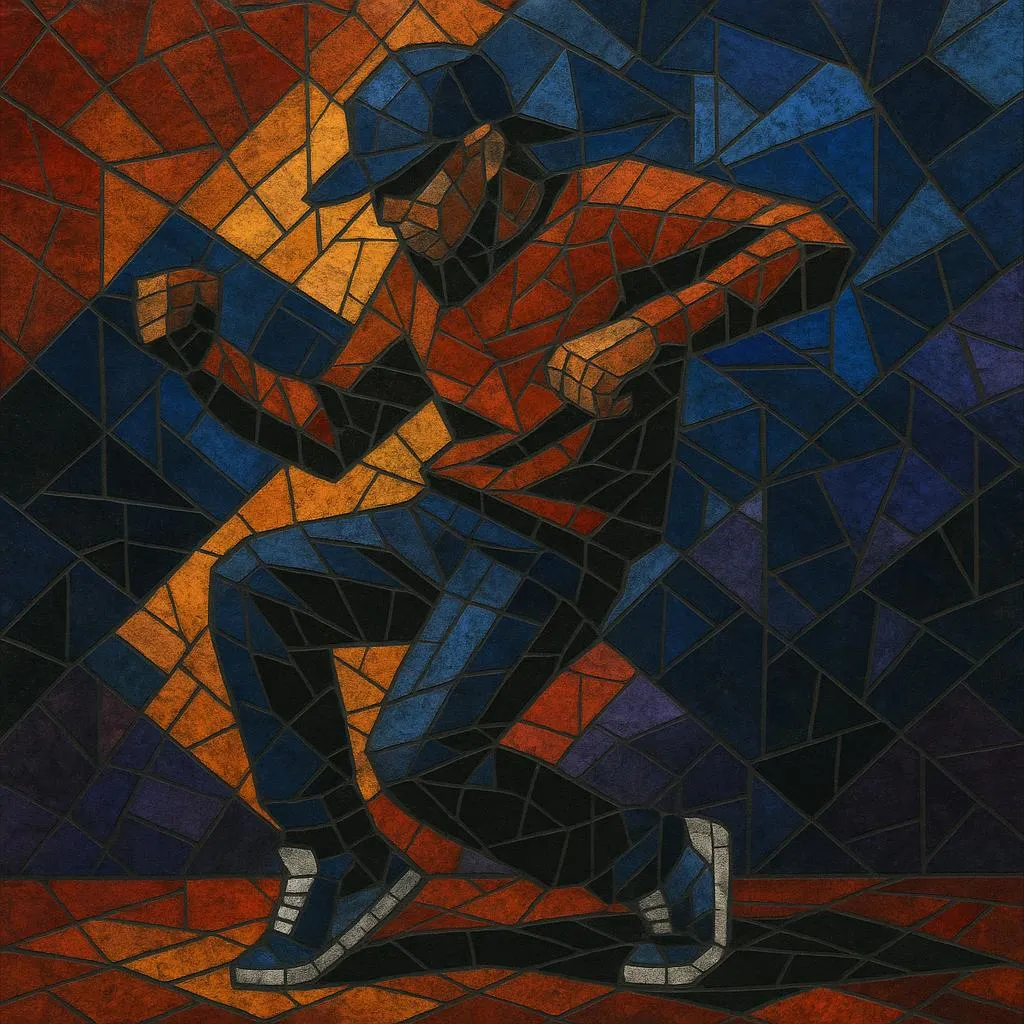
Popping (as a music tag) refers to the electro‑funk, boogie, and synth‑driven funk/hip‑hop grooves created for and associated with the West Coast street dance style “popping.”

The sound centers on drum‑machine beats (especially 808s), tight syncopated basslines, talkbox/vocoder leads, stabbing synth chords, and robotic textures that accent the dancer’s hits, ticks, and isolations. Classic examples draw from late‑’70s/early‑’80s funk and electro, while contemporary “popping” tracks extend the palette with modern funk and nu‑boogie production.

Typical tempos range from about 90–115 BPM (often around 100–110 for groovy, bounce‑heavy tracks), with some electro cuts pushing higher. The music is largely instrumental or sparsely vocal, foregrounding crisp rhythmic punctuation and animated synth riffs to mirror the dance’s mechanical aesthetics.


Sources: Spotify, Wikipedia, Discogs, RYM, MB, user feedback and other online sources

History

Origins (1970s)

Popping as a dance crystallized in California (Fresno, Oakland, Los Angeles) in the 1970s. Dancers gravitated to contemporary funk—especially synth‑leaning, groove‑forward bands—and to emerging drum‑machine experiments. The use of talkbox (popularized by Roger Troutman) and tight, percussive bass riffs suited the dance’s sharp contractions and isolations.

Electro and Boogie Era (early–mid 1980s)

By the early 1980s, electro and electro‑funk exploded: TR‑808 beats, robotic motifs, and vocoders from acts influenced by Kraftwerk and P‑Funk became battle staples. Boogie and synth‑funk (post‑disco funk with prominent polysynths and slap/bounce bass) provided the deep pocket poppers favored for grooves and “dime stops.” This period forged the canonical sound of popping sessions and battles.

West Coast Hip‑Hop and G‑Funk (1990s)

On the U.S. West Coast, hip‑hop producers re‑channeled boogie/electro DNA. G‑funk slowed and thickened the bounce, foregrounding talkbox leads and sine‑wave bass inspired by Zapp & Roger. Though often more vocal, many instrumentals and remixes circulated in dance communities and informed popping freestyle choices.

Global Scenes and Modern Funk (2000s–present)

As street‑dance competitions and online sharing globalized, producers began crafting purpose‑built “popping” instrumentals. A modern funk/nu‑boogie revival—keeping vintage synths, 808s, and talkbox—reconnected dancers with the ’80s lineage while updating sound design and fidelity. Today, “popping” as a music tag spans classic electro‑funk to new-school synth‑heavy beats, unified by clear transients, syncopated low end, and animated, robotic timbres.


How to make a track in this genre

Core Groove and Tempo
•   Aim for 95–112 BPM for classic battle‑friendly bounce (faster electro can work up to ~120 BPM). •   Keep the backbeat snare/clap decisive on 2 and 4; add off‑beat claps, rimshots, or snaps to mark dancer accents.
Drums and Rhythm Design
•   Start with an 808 or Linn‑style kit. Use punchy, short kicks; bright, gated claps; tight closed hats (straight or lightly swung 16ths). •   Add mechanical punctuation (cowbells, tom fills, zap FX) to create “hit points” for pops and dime stops.
Basslines
•   Prioritize syncopated, rubbery mono‑synth bass (Moog‑like or FM sine/triangle for G‑funk flavor). •   Write 1–2 bar ostinatos with ghost notes and occasional slides; lock with the kick to underline “hit” moments.
Harmony and Lead Voices
•   Keep harmony sparse: minor or dominant‑funk vamps (i–VII–VI, or V–IV–I stylings), often two–four chords. •   Lead hooks: short, catchy synth riffs with call‑and‑response phrasing; use portamento and staccato stabs. •   Incorporate talkbox or vocoder phrases for signature popping color (simple, rhythmic lines that mirror the dance).
Sound Design and Arrangement
•   Timbral cues: chorusy polysynths, square/saw leads, metallic FM blips, laser/zap FX, vinyl or tape noise for retro grit. •   Arrange in clear sections (8–16 bars) with dropouts (mute kick/bass or hats) to signal tricks, glides, or slow‑mo. •   Add “freeze cues” (one‑shot hits, silences, reverse cymbals into stops) to empower showmanship.
Mixing Notes
•   Keep transient clarity: sharp hats/claps; control low‑end with sidechain or precise EQ so kicks and bass don’t smear. •   Slight stereo movement (auto‑pan on arps or pads) adds animation without masking the groove’s center.
Optional Vocals
•   If used, keep minimal and rhythmic: vocoded hooks, talkbox refrains, or chant‑like ad‑libs; avoid dense lyricism so dancers have space.

Top tracks

Locked
Share your favorite track to unlock other users’ top tracks

Upcoming concerts

in this genre
Influenced by
Has influenced

Download our mobile app

Get the Melodigging app and start digging for new genres on the go
© 2026 Melodigging
Melodding was created as a tribute to Every Noise at Once, which inspired us to help curious minds keep digging into music's ever-evolving genres.
Buy me a coffee for Melodigging