Your digging level
Description
Funk das antigas is the nostalgic, “old‑school” wave of Brazilian funk (funk carioca) that crystallized in Rio de Janeiro’s bailes during the 1990s and early 2000s.
Shaped by Miami bass and electro‑funk, it pairs booming 808s and syncopated drum patterns with melodic, catchy hooks sung or chanted in Portuguese. Lyrical themes often swing between romance and desire (in the "funk melody" vein), everyday favela life, community pride, and party energy, all delivered with call‑and‑response refrains built for the dance floor.
Its sound is raw yet tuneful: sub‑heavy kicks, tom rolls, claps, cowbells, and the iconic tamborzão groove underpin simple, memorable chord movements. The result is music that’s both unabashedly dancing and warmly nostalgic for a formative era of Brazilian urban pop culture.

History
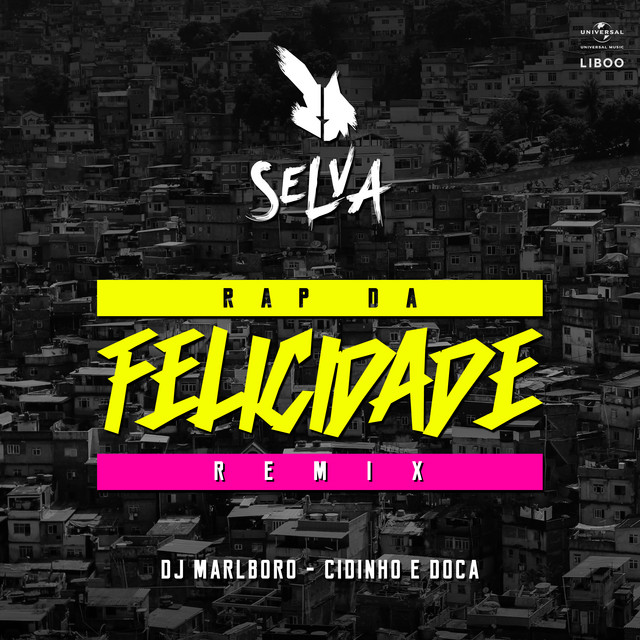
Funk das antigas grew out of Rio de Janeiro’s early baile culture when DJs began importing and remixing Miami bass and electro‑funk. Figures like DJ Marlboro popularized the sound at massive sound‑system parties, laying the groundwork for localized Portuguese vocals and a distinctly carioca rhythmic feel.
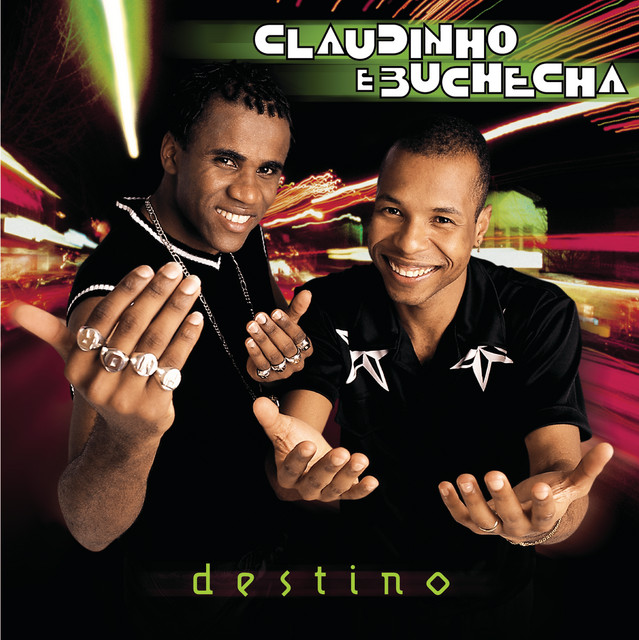
By the mid‑90s, the style matured into a recognizable identity: thunderous 808s, syncopated toms and claps, and singable hooks. Duos and MCs such as Claudinho & Buchecha, MC Marcinho, and Cidinho & Doca scored national hits, while crews and labels (e.g., Furacão 2000) amplified the scene. Parallel strands emerged—romance‑driven "funk melody" and harder, party‑oriented anthems—yet all shared the baile’s participatory energy and community focus.
In the 2000s, the tamborzão pattern and evolving production tools (from hardware samplers to early DAWs) refreshed the sound. As newer substyles (funk proibidão, funk ostentação, and later trapfunk and automotivo) rose, the earlier repertoire became known as funk das antigas—revered classics that DJs still drop to trigger instant sing‑alongs and collective nostalgia.
Funk das antigas helped normalize Portuguese‑language hooks over bass‑forward dance beats in Brazil, bridging underground bailes and mainstream radio/TV. Its songwriting approach, rhythmic vocabulary, and crowd‑interaction aesthetics continue to inform contemporary Brazilian funk variants.