Your digging level

For this genre
0/8
🏆
Sign in, then listen to this genre to level up

Description

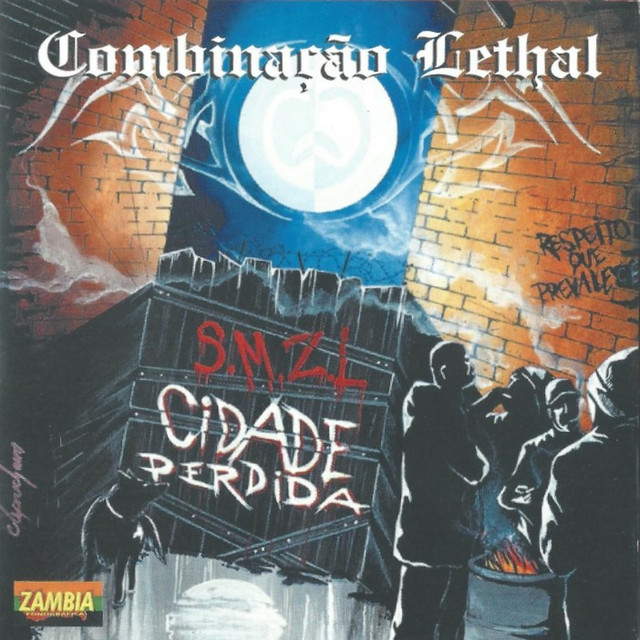
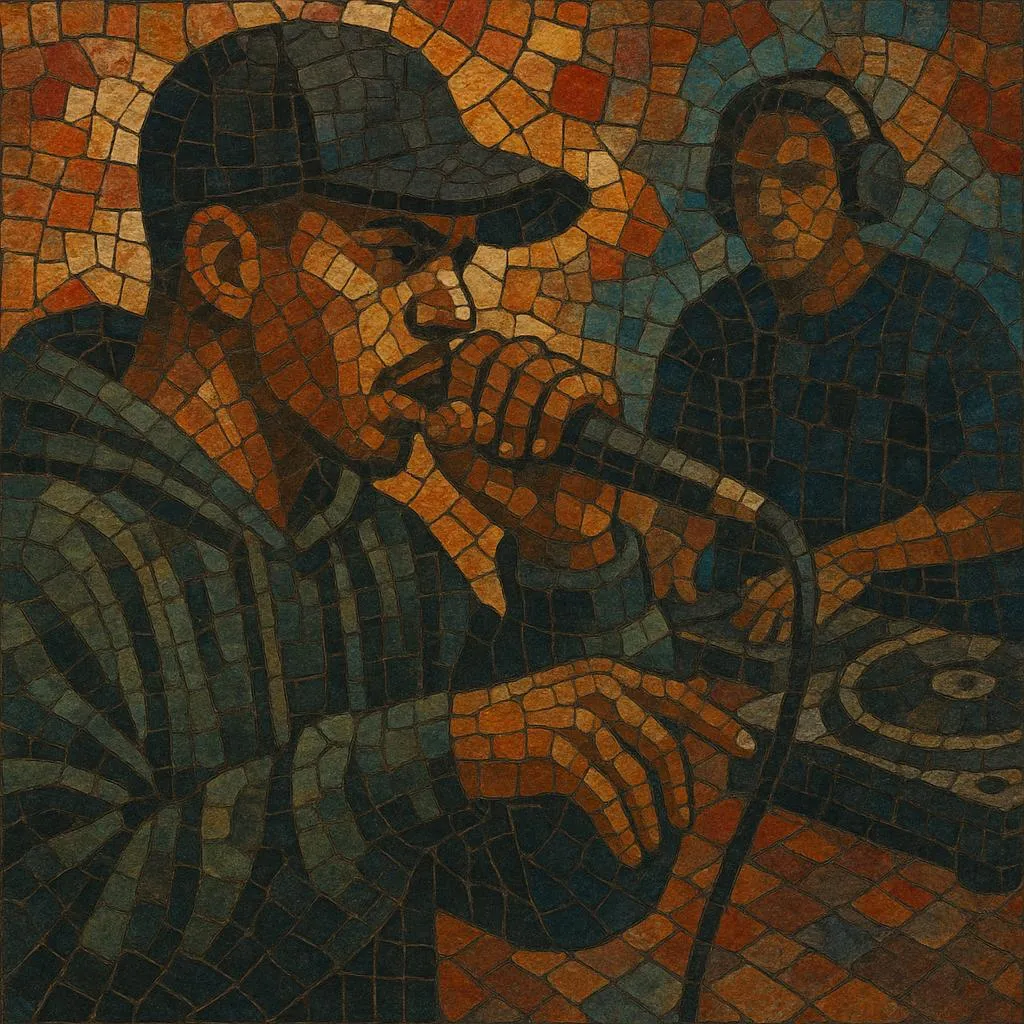
Rap nacional antigo refers to the classic, foundational era of Brazilian hip hop, roughly from the late 1980s through the early 2000s.

Centered especially in São Paulo’s periferia but echoed in Rio de Janeiro and other urban centers, it blends boom‑bap drum programming, soul/funk sample culture, and turntablism with socially conscious lyrics in Portuguese. Themes commonly address life in the outskirts, racial inequality, police violence, dignity, and resistance, often delivered in long narrative verses with gritty, documentary-like realism.

The sound aesthetic favors punchy snares, deep basslines, looped samples, chorus cuts from records or sung refrains, and prominent, upfront vocals. Crews, DJs, and community gatherings (battles, block parties, metro-station meetups) were central to its growth, making rap nacional antigo a movement as much as a musical style.


Sources: Spotify, Wikipedia, Discogs, RYM, MB, user feedback and other online sources

History

Origins (late 1980s)

Brazil’s first generation of MCs and DJs emerged alongside breakdance crews and graffiti writers, inspired by U.S. hip hop but immediately localized through Portuguese lyrics and Brazilian street realities. Early parties, sound systems, and DJ circles helped standardize boom‑bap production and scratching as the core toolkit, while funk and soul digging fed the sampler.

Consolidation and Classic Period (1990s)

Through the 1990s, rap nacional became a voice of the periferia. Independent labels, street markets, radio shows, and fanzines built an ecosystem that allowed groups and MCs to develop long-form storytelling, denunciation, and social chronicle. Albums from this period cemented the genre’s sonic identity: heavy kicks and snares, looped grooves, and choruses constructed from cuts or sung refrains.

Turn of the Millennium

By the late 1990s and early 2000s, the music grew more hard-hitting and cinematic, with darker harmonies, heavier bass, and even more explicit social critique. Regional scenes outside São Paulo, especially Rio de Janeiro, added their own accents to flow and production while keeping the classic foundations.

Legacy and Revival

As newer styles like trap and funk expanded, the “rap nacional antigo” canon remained a touchstone. It is continually revisited in samples, lyrical references, and curated playlists, and it influences the cadence, ethics, and community focus of successive Brazilian hip hop waves.

How to make a track in this genre

Core Aesthetics
•   Tempo: typically 85–96 BPM; mid-tempo head-nod grooves work best for narrative verses. •   Drums: boom‑bap patterns—solid kick on 1/3 and cracking snare on 2/4; layer rimshots/claps for texture. Use swing and subtle quantization to keep it human. •   Bass: round, sustained basslines (often from filtered samples or simple synths) locking tightly with the kick.
Sampling, Harmony, and Texture
•   Samples: dig soul, funk, MPB, and occasionally jazz for loops, horn stabs, vocal hooks, and atmospheric intros. Filter and low-pass to carve space for vocals. •   Harmony: minor keys and modal loops support the sober, documentary tone; keep chord progressions simple and repetitive to foreground the story. •   Turntablism: scratch vocal phrases for hooks, add DJ intros/interludes, and use cuts to punctuate punchlines.
Lyrics, Flow, and Form
•   Themes: everyday life in the periferia, systemic racism, police brutality, survival, pride, and community. Balance critique with self-affirmation. •   Delivery: clear diction in Portuguese, measured cadence, multisyllabic rhyme chains, and internal rhymes. Long verses (16–32 bars) with concise, repeatable hooks. •   Structure: intro (spoken vignette or sample), two or three long verses, scratched or sung chorus, and an outro that reinforces the message.
Production and Mix
•   Keep drums and vocals forward; apply gentle saturation for warmth and a touch of grit. •   Use room or plate reverb sparingly—intelligibility and proximity matter. •   Reference mixes from 1990s boom‑bap for headroom, punch, and vocal presence.
Performance Practice
•   MC + DJ format on stage; call-and-response with the crowd. •   Visuals and attire grounded in street culture; authenticity and message are paramount.

Top tracks

Locked
Share your favorite track to unlock other users’ top tracks

Upcoming concerts

in this genre
Influenced by
Has influenced

Download our mobile app

Get the Melodigging app and start digging for new genres on the go
© 2026 Melodigging
Melodding was created as a tribute to Every Noise at Once, which inspired us to help curious minds keep digging into music's ever-evolving genres.
Buy me a coffee for Melodigging