Your digging level
Description
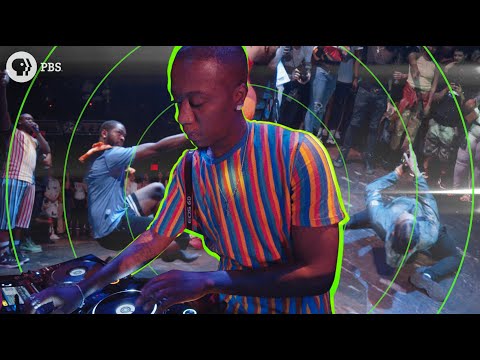
Ballroom vogue is a high-energy club music style created to soundtrack vogue dance and runway categories within the Black and Latinx LGBTQ+ ballroom scene.
It is built on house-derived four-on-the-floor rhythms in the 120–130 BPM range, punctuated by the iconic "Ha" crash (sampled from Masters At Work’s The Ha Dance), hard kicks, metallic hits, and chant-ready breaks for commentators.
Arrangements emphasize tension-and-release moments for dips, spins, duckwalks, and catwalks, with sparse harmony, heavy percussion, and chopped vocal stabs that amplify battle theatrics and crowd call-and-response.


History
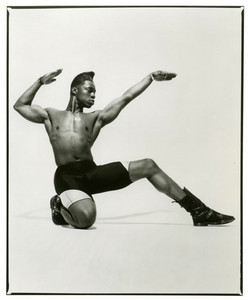
Ballroom culture emerged in New York City’s Black and Latinx LGBTQ+ community during the late 1970s and 1980s, with early balls soundtracked by disco and emerging house music. Voguing—first developed in Harlem—used club tracks that had clear 4/4 drive for runway walks and poses.
In 1991, Masters At Work released The Ha Dance, whose explosive “Ha” crash became the percussive cue of vogue battles. As balls grew, DJs began building edits and custom drum tracks to maximize impact for commentator chants and dramatic dips, effectively codifying a distinct “ballroom vogue” sound separate from general house.
With affordable DAWs and file sharing, dedicated ballroom producers—like Vjuan Allure, MikeQ, and Divoli S’vere—standardized fast, percussive patterns and “Ha” variations. Labels and crews (e.g., Qween Beat) circulated tracks online, while the scene cross-pollinated with Baltimore and Jersey club through shared tempos, chopped vocals, and battle-focused drops.
Television series, documentaries, and pop culture references expanded visibility, while international houses and balls proliferated in Europe and beyond. Contemporary ballroom vogue keeps house foundations but flexes modern sound design, integrating elements from club music scenes while preserving commentator-led call-and-response and performance-first structures.