Your digging level
Description
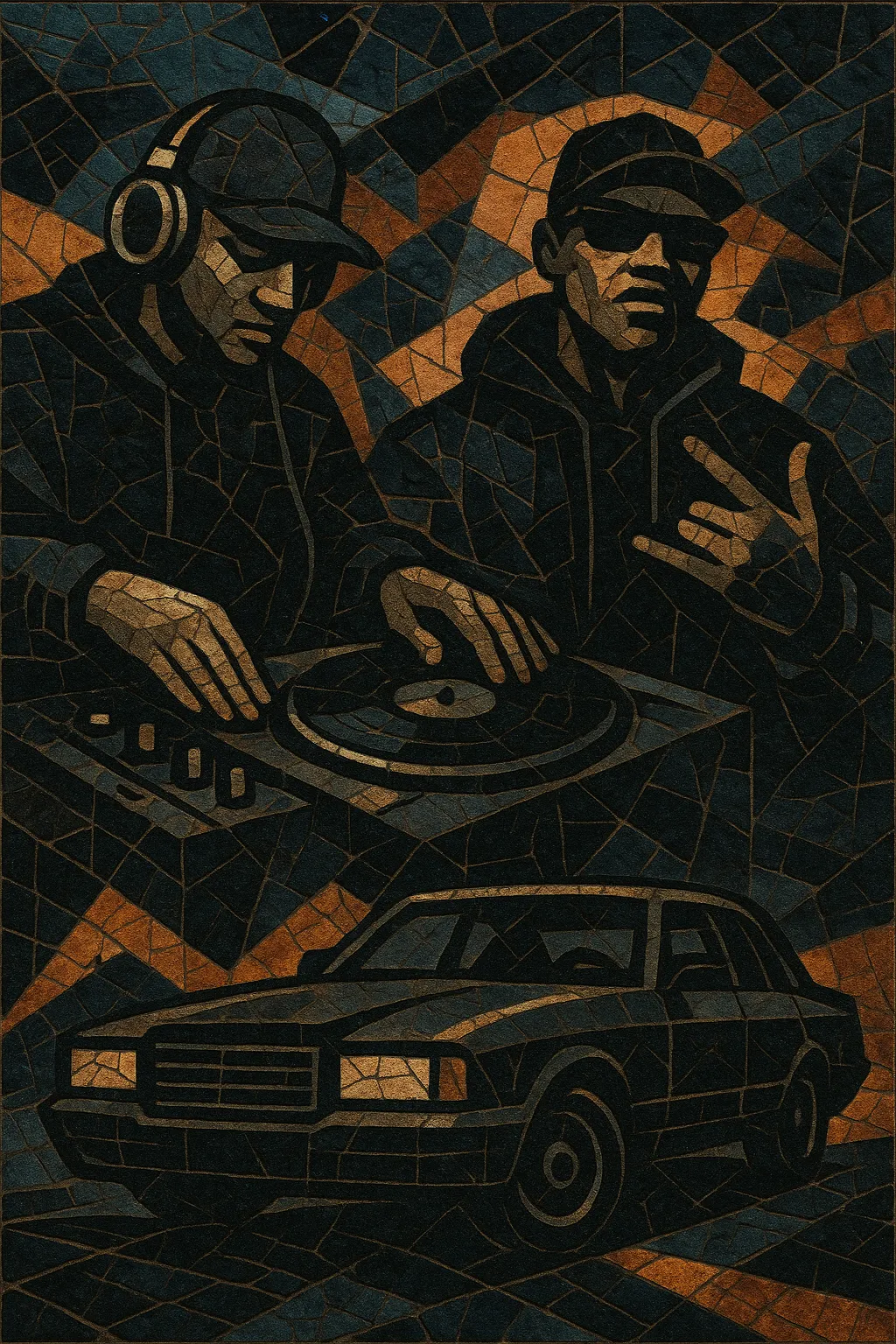
G-house ("gangsta house") is a club-focused fusion of house music and hip-hop, characterized by dark, low-slung basslines, shuffling house drums, and rap vocals or samples with a streetwise, West Coast swagger.
Typically sitting around 120–126 BPM, it borrows the groove and arrangement discipline of deep/tech house while foregrounding the attitude and timbral aesthetics of gangsta rap and G-funk. Vocal hooks are often pitched, chopped, or looped, sitting over minimal, sub-heavy bass figures and crisp 909/808-derived percussion. The result is music that feels both sleek and menacing—built for late-night dancefloors with a noir, urban edge.
History
G-house emerged in the early 2010s as producers began pairing deep/tech house grooves with the cadence and aesthetics of gangsta rap. French duo Amine Edge & DANCE are widely credited with codifying the sound—using hip‑hop acapellas over stripped, bass-forward house—through releases and their CUFF label. Almost in parallel, the Los Angeles scene around Destructo (HARD events) pushed a similar, rap-forward house attitude, helping the tag “gangsta house” (or G-house) stick.
Between 2013 and 2016, the style spread through European and U.S. club circuits. Labels and parties tied to deep/tech house adopted the darker, swaggering vocal aesthetic: artists like Shiba San, Sirus Hood, Sharam Jey, and later BIJOU and Dr. Fresch, delivered sleek, sub-heavy tracks featuring classic rap hooks or purpose-cut verses. The Night Bass ecosystem (AC Slater) and artists such as Wax Motif and Malaa often intersected with G-house, bringing a bassier, warehouse grit.
As the decade progressed, G-house cross-pollinated with bass house and tech house, influencing Brazilian bass and other low-end-centric house strains. While the tag is used more fluidly today, its hallmark combination—minimal house frameworks with gangsta rap vocal attitude—remains a reliable club formula and a reference point for vocal-driven, bass-led house music.
![How To G-House Drop [FL Studio Tutorial]](https://i.ytimg.com/vi/UsalRjmkkvs/hqdefault.jpg)



Top albums
%2C%20Cover%20art.webp)