Your digging level
Description
Russian pop is Russian‑language popular music created in Russia and across the broader Russophone sphere (CIS countries, the Baltics, Central Asia, and diasporic communities). It is a direct successor to Soviet “estrada” (variety) traditions and often features star vocalists, big melodic hooks, and polished studio production.
Across its eras, the style has absorbed international pop currents (disco, synth‑pop, Eurodance, electropop) while retaining Slavic melodic sensibilities and a lyrical focus on romance, nostalgia, and everyday storytelling. From Soviet idols like Alla Pugacheva and Valery Leontiev to post‑Soviet chart acts, Russian pop bridges stagecraft and radio‑friendly songcraft, uniting mass audiences across a multilingual region where Russian is widely understood.
History
Russian pop traces its lineage to Soviet estrada—state‑sanctioned variety entertainment that emphasized clear diction, big melodies, and charismatic stage presence. From the 1960s into the 1980s, major television festivals, orchestras, and VIA ensembles incubated a shared repertoire and star system. Icons like Alla Pugacheva, Valery Leontiev, and Sofia Rotaru set the template: dramatic vocal delivery, memorable refrains, and songs that could travel across the multilingual USSR, frequently performed in Russian.
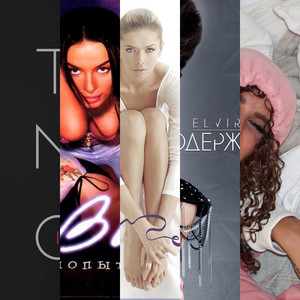
The dissolution of the USSR liberalized the industry. Independent labels, commercial TV, and FM radio accelerated a new pop economy. Russian pop absorbed Eurodance, synth‑pop, and contemporary R&B production, spawning sleek, club‑ready singles alongside power ballads. Artists such as Philipp Kirkorov, t.A.T.u., Dima Bilan, Ruki Vverh!, and VIA Gra (Nu Virgos) achieved domestic dominance and, at times, international recognition, while glossy music videos and large arena tours became the norm.
Streaming, social media, and pan‑regional festivals intensified cross‑border circulation. A new generation (e.g., Sergey Lazarev, Nyusha, Polina Gagarina, Zivert) blended EDM‑inflected production with classic melodic tropes. Parallel scenes—alt‑pop, synth‑wave revivals, and trap‑leaning hybrids—intersected with mainstream pop aesthetics. Today, “Russian pop” denotes both a stylistic lineage and a transnational industry category: Russian‑language hits produced in Russia and beyond, firmly rooted in estrada songcraft yet open to contemporary global pop trends.