Your digging level
Description
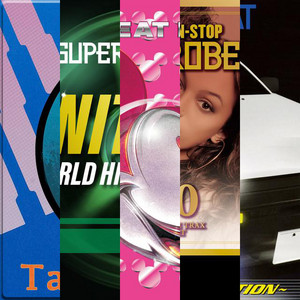
Super Eurobeat refers both to a high-energy Japanese-focused strain of Eurobeat and to the long‑running Japanese compilation series that codified the sound.
Musically it is fast (typically 145–165 BPM), built on a relentless four‑on‑the‑floor kick, pumping off‑beat bass, bright supersaw leads, and hook‑heavy chorus writing. Vocals are usually in English (often with catchy, slogan‑like refrains), and many tracks feature key changes near the finale to heighten excitement. The style became closely tied to Para Para dance culture and to street‑racing imagery popularized in Japanese media.

History
Super Eurobeat grew from late‑1980s/early‑1990s Italo disco and Hi‑NRG as those scenes pivoted to faster tempos and bigger choruses for the Japanese market. The term is inseparable from the Japanese compilation series of the same name, which standardized the sound and connected Italian producers with Japanese audiences.
• After "Eurobeat" in the UK changed meaning, Italian producers (many from the Italo disco/Hi‑NRG world) began crafting faster, more bombastic tracks for Japan. Labels and production teams in Italy supplied songs to Japanese distributors, who curated the Super Eurobeat series starting in 1990.
• Tokyo mega‑clubs and Para Para dance culture embraced the high BPM, countable phrases, and chant‑friendly hooks. Italian production houses (A‑Beat C, Time, Delta, Saifam, SCP and others) created a constant stream of new tracks and aliases specifically for the Japanese market.
• The compilation volumes (and spin‑offs) turned the style into a self‑contained ecosystem with recurring singers, producers, and stage names, while idol acts and TV tie‑ins amplified its reach.
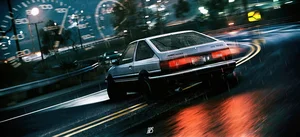
• Appearances in anime and games associated the sound with speed, night driving, and over‑the‑top euphoria, drawing new global listeners. Online communities catalogued discographies, lyrics, and Para Para routines, helping preserve the genre’s deep catalog.
• Although physical compilation schedules slowed, new singles, digital releases, and event culture (club nights, Para Para circles, VTuber covers) have sustained the style. Modern productions maintain the core formula—high BPM, supersaw melodies, modulating endings—while benefiting from contemporary synths and mixing techniques.
• Tempo: 145–165 BPM (often around 150–158). Use a solid four‑on‑the‑floor kick with open hi‑hats accenting the off‑beats and handclaps/snare on 2 & 4.
• Bass: An off‑beat, saw/brassy bass that ducks with sidechain compression. Outline roots strongly; use octave jumps and 8th‑note motion for drive.
• Keys: Major or natural minor with bright triads and power‑pop sensibility. Common progressions include I–V–vi–IV (major) or i–VI–III–VII (minor).
• Modulation: A signature +1 or +2 semitone key change for the final chorus.
• Arrangement (typical):
Intro (drum fill → riff) → Verse A → Verse B/Pre‑Chorus → Big Chorus → Short Break/solo → Verse/Pre → Modulated Final Chorus → Outro.
• Phrasing: 8‑ and 16‑bar blocks that are easy to count for Para Para routines.
• Hooks first: Write a chorus that states the title clearly and repeatedly.
• Melodies: Wide, soaring lines with call‑and‑response ad‑libs and gang shouts ("hey!", "go!"). Use pentatonic touches for instant catchiness.
• Themes: Night, fire, speed, love, dancing. Simple, assertive English works best.
• Leads: Layered supersaws (think JP‑8000/virtual analog) with unison detune; add portamento for runs. Complement with synth‑brass stabs and bright arpeggios.
• Keys/pads: Bright, side‑chained pads and piano hooks. Short gated reverbs on claps/snares; longer plates on vocals and leads.
• Vocals: Energetic, slightly compressed/top‑end‑present. Double choruses, harmonies, and crowd shouts to enlarge the hook.
• Mastering: Loud, punchy, and sparkling highs; keep the low‑end tight to preserve speed and clarity.
• Use filtered intros/risers and snare rolls into drops; automate cutoff/resonance for excitement.
• Leave room for a synth solo or riff after the first chorus.
• Commit to the modulation—rebuild arrangement layers to make the key lift feel climactic.