Your digging level

For this genre
0/8
🏆
Sign in, then listen to this genre to level up

Description

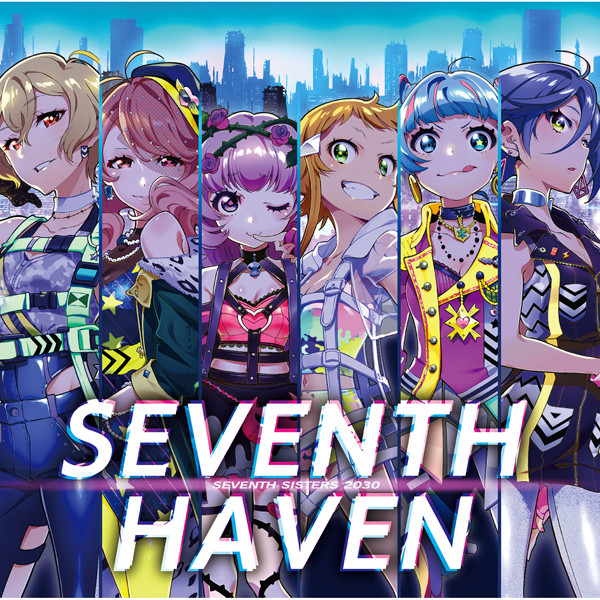
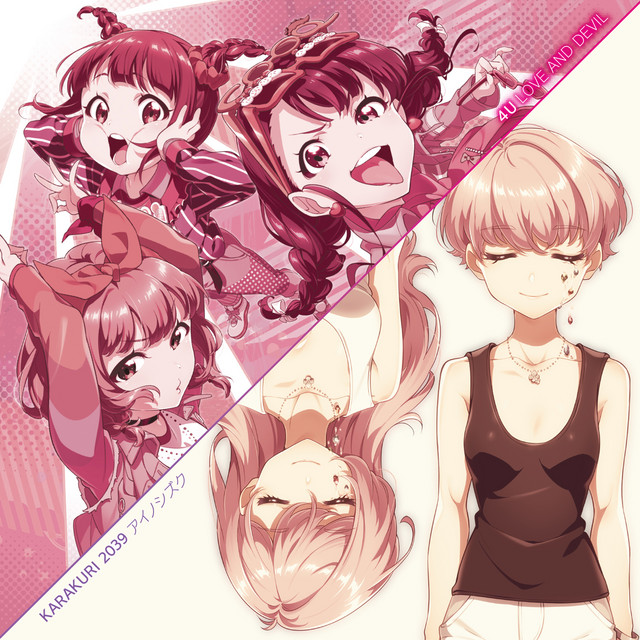
Idol game is a Japanese pop substyle built around songs written for idol-raising, rhythm, and simulation video games. The music is performed by voice actors (seiyū) as fictional idol units, and is designed to work both in-game (for note charts and event scenes) and on stage in "2.5D" concerts.

Sonically it blends bright, hook-forward J‑Pop and anisong with modern EDM, rock band textures, and occasional denpa-tinged cuteness. Arrangements favor high energy, clean transients, big choruses, and often a last-chorus key change. Lyrics lean into themes of dreams, teamwork, perseverance (ganbatte), and fan–idol intimacy, while preserving each character’s persona.

Because these projects are multimedia, the genre sits at the crossroads of game OST, pop idol music, and anime culture—releasing character singles, unit albums, and staging large live events where the seiyū perform in character.

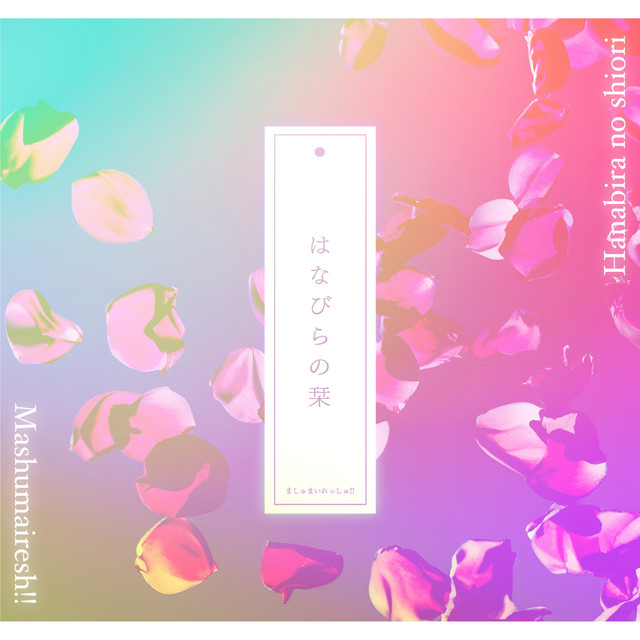
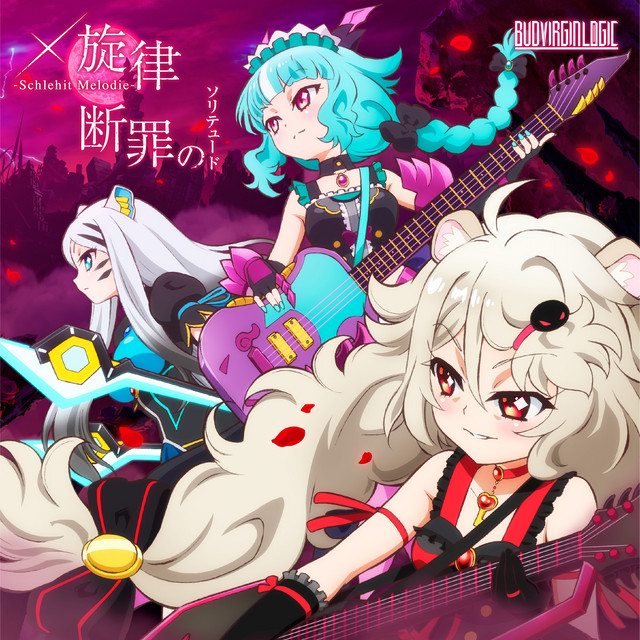
Sources: Spotify, Wikipedia, Discogs, RYM, MB, user feedback and other online sources

History

Origins (mid‑2000s)
•   The seed of idol game music appears with arcade/console idol simulation titles in Japan, especially THE IDOLM@STER (2005), which established the template of character‑voiced pop singles, unit songs, and live events tied to a game IP.
Smartphone boom and codification (2010s)
•   The smartphone era turned the niche into a mass phenomenon. Rhythm/management games and multimedia projects (e.g., school or agency idols, band‑centric titles, male idol otome games) normalized a steady flow of character songs, unit comps, and event tie‑ins. •   Production values rose to mainstream anisong/J‑Pop levels. Song forms were tailored for rhythm gameplay (clear downbeats, sectional contrast for note patterns, “fever/SP” breakdowns), while still functioning as stand‑alone pop. •   Cross‑media expansion (anime seasons, CDs/BDs, seiyū concerts) cemented the feedback loop between in‑game narrative arcs and real‑world fan culture.
Diversification and export (late 2010s–2020s)
•   Sound palettes expanded from cute dance‑pop to club‑oriented EDM, band rock, symphonic pop, and denser anisong hybrids. Male idol franchises (and mixed/alt units) helped balance the audience split. •   International platforms and rhythm‑game prevalence carried the style abroad; overseas fans adopted wotagei/call‑and‑response culture, while streaming made seiyū‑fronted unit catalogs globally accessible. •   VTuber music and newer rhythm‑game ecosystems adopted idol‑game songwriting tropes—bright hooks, character‑driven lyrics, and crowd‑ready choruses—blurring lines between virtual idols, game OST, and mainstream J‑Pop.

How to make a track in this genre

Core palette
•   Instrumentation: bright synth leads and pads, EDM drums, electric bass, rhythm guitars, piano/strings for lift, occasional brass stabs; for band‑leaning units add live drums/guitars. •   Tempo & meter: mostly 4/4 at 120–165 BPM. Keep strong, quantized transients to map rhythm‑game notes cleanly.
Form & harmony
•   Structure: intro → verse → pre‑chorus build → big chorus → short post‑chorus hook; include a mid‑song breakdown/bridge for “fever/SP” sections; reprise chorus with a key lift at the end. •   Harmony: diatonic major keys with bright IV–V–I or vi–IV–I–V cycles; use secondary dominants and occasional modal mixture for color; classic last‑chorus modulation (+1 or +2 semitones) for climax.
Melody & vocals
•   Write earwormy, syllabic lines with stepwise motion and strategic leaps to 5th/6th on hook words. •   Arrange for multiple character voices: trade lines, pre‑chorus pass‑the‑baton, unison anthemic choruses, call‑and‑response ad‑libs, and stacked harmonies. •   Include shout‑group layers ("Hey!", claps) and crowd cues (for wotagei/calls) without masking the lead.
Lyrics & character
•   Themes: dreams, effort, friendship, stagecraft, seasonal events; keep a positive arc and character‑specific diction/tics. •   Mix Japanese with short English catchphrases; avoid dense metaphors that obscure hook words.
Production for games & lives
•   Sound design: crisp drums, controlled low‑end for mobile speakers, bright top‑end sheen; sidechain gentle for pump without smearing transients. •   Leave clear sectional contrasts so chart designers can vary patterns; keep intros/outros loop‑friendly; export clean stems for TV/anime size edits and live backing.
Rock‑leaning subunits
•   Use tighter drum grooves (straight 8ths/16ths), palm‑muted verses, open‑chord choruses, and lead guitar hooks mirroring the vocal line. Maintain pop‑forward topline and chorus lift.

Top tracks

Locked
Share your favorite track to unlock other users’ top tracks

Upcoming concerts

in this genre
Influenced by
Has influenced

Download our mobile app

Get the Melodigging app and start digging for new genres on the go
© 2026 Melodigging
Melodding was created as a tribute to Every Noise at Once, which inspired us to help curious minds keep digging into music's ever-evolving genres.
Buy me a coffee for Melodigging