Your digging level
Description
In music tagging, “shojo” refers to Japanese pop songs associated with shōjo-targeted anime and media (romance, school life, and ‘magical girl’ series). It is not a strict industry genre, but a demographic/aesthetic label applied to anison (anime songs) whose themes and presentation align with shōjo culture: bright, catchy melodies; high, youthful vocals (often by seiyū/voice actors); and lyrics about love, friendship, courage, and self‑discovery.
Sonically it sits inside J‑pop and anime music: major‑key hooks, punchy synths/strings, handclaps, and an anison “TV size” structure (verse → pre‑chorus → big chorus in ~90 seconds). Many touchstones come from iconic shōjo anime themes—Sailor Moon’s “Moonlight Densetsu,” Cardcaptor Sakura’s openings/endings, Pretty Cure’s anthems—which cemented the style’s upbeat, heartfelt character.
History
In Japanese media, shōjo denotes a demographic category (girls/young women), not a single artistic style. In music discourse it’s used informally for anison tied to shōjo manga/anime, where songs emphasize emotion, optimism, and coming‑of‑age themes.
Idol‑era kayōkyoku and early J‑pop provided the melodic and production template—big choruses, gleaming arrangements—which flowed directly into anime theme writing. The early 1990s boom of shōjo hits around Sailor Moon popularized the sound internationally; “Moonlight Densetsu” (1992) became an emblematic opening, performed by DALI/Moon Lips and widely covered.
Cardcaptor Sakura (1998–2000) added more polished pop craft: Kohmi Hirose’s “Groovy!” and Maaya Sakamoto’s “Platinum” reinforced the blend of sparkling J‑pop with tender, adolescent‑romance lyrics.
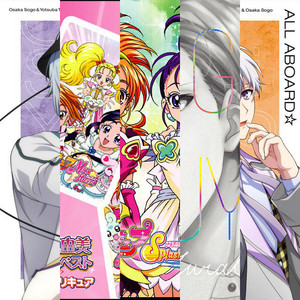
The Pretty Cure franchise (from 2004) cemented the ‘shojo’ anthem formula—upbeat tempos, empowering choruses about bravery and friendship—via Mayumi Gojo’s “Danzen! Futari wa Pretty Cure,” a theme that won the Animation Kobe Theme Song Award and became a karaoke staple for young fans.
Idol groups and seiyū duos refreshed the style: ClariS’s “Connect” (Puella Magi Madoka Magica, 2011) and Momoiro Clover Z’s “Moon Pride” (Sailor Moon Crystal, 2014) bridged cute pop with rock sheen and orchestral color, while the broader anison market globalized in the 2020s through streaming and major‑label investment.