Your digging level
Description
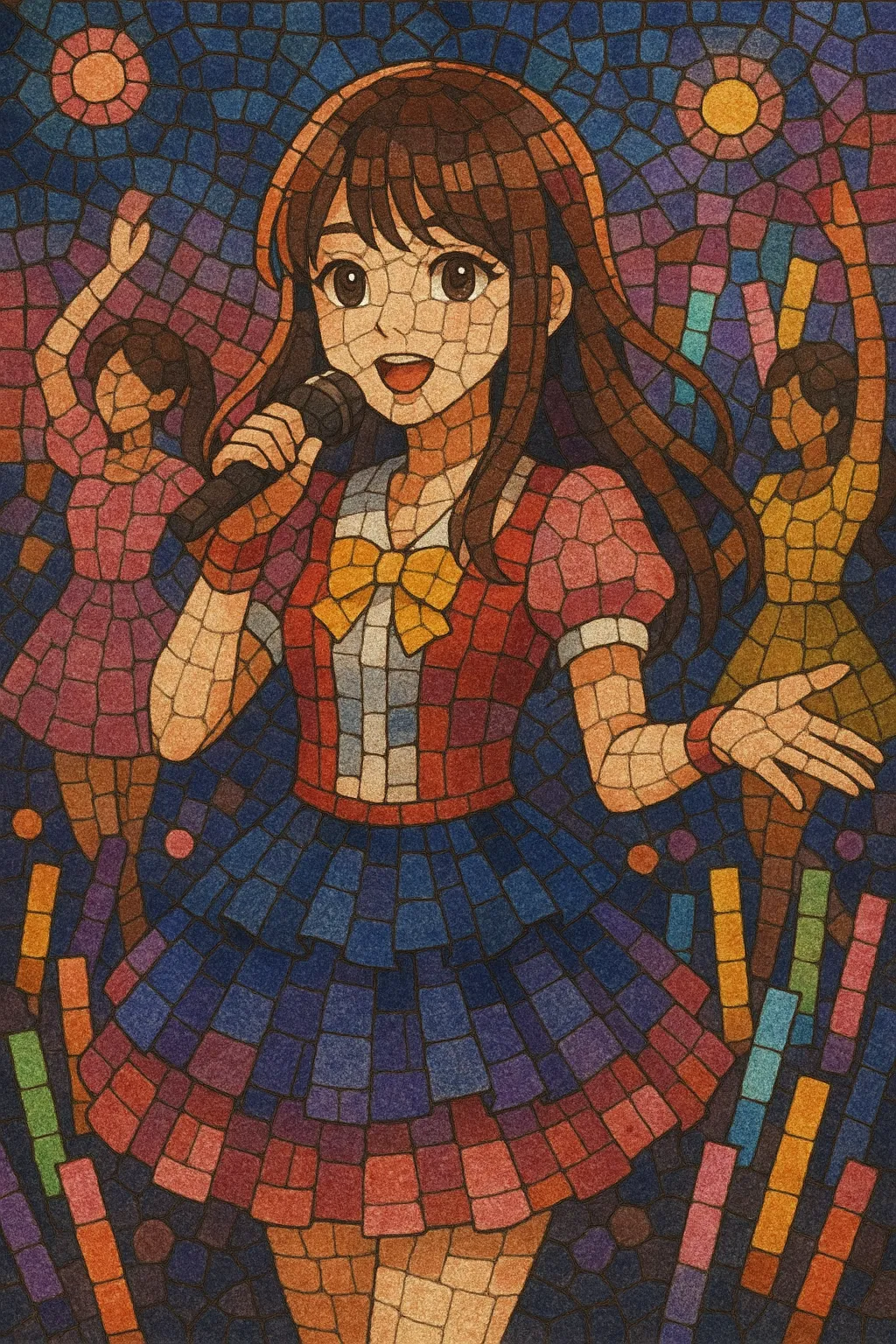
Idol is a highly produced pop style and star-making system that emerged in Japan, characterized by large agencies assembling young performers into tightly branded groups or solo acts. The musical palette spans bright, hook-driven pop, mid-tempo kayōkyoku ballads, and contemporary dance-pop, all arranged to emphasize catchy choruses, clean vocal delivery, and coordinated choreography.
Beyond sound, idol is defined by its culture: rotating or tiered memberships, the “center” role in group songs, elaborate fan participation (calls, lightstick routines, handshake or meet-and-greet events), and a carefully managed public persona. Costuming, color-coding members, and multimedia tie-ins (TV, variety, commercials, anime, games, and idols’ own theaters) are integral to the genre’s identity.
History
Idol culture coalesced in Japan in the early 1970s, when kayōkyoku songcraft, TV talent shows, and talent agency systems converged. Early idols drew on enka sentimentality and Western bubblegum pop, presenting youthful, approachable images. Broadcast media, magazine pinups, and variety shows created a pipeline from discovery to stardom, standardizing the training and debut process.
The 1980s brought an explosion of solo stars and duos/groups, with television variety programs and tie-ins accelerating popularity. Production emphasized memorable hooks, modulations into the final chorus, and choreography fit for TV stages. Fan culture grew around collectible media, live events, and organized cheering, laying the groundwork for today’s participatory practices.
Male idol groups (notably from Johnny’s) dominated the 1990s, while the late 1990s and 2000s saw a resurgence of large female groups. The theater-based and handshake-event models refined the business of idols, allowing frequent releases, frequent fan interaction, and rotating or graduating memberships. Sonically, arrangements blended kayō-inspired melodies with modern dance-pop production and occasional city-pop or techno flavors.
In the 2010s, giant franchises expanded and sister groups proliferated. Alternative and genre-fusing idols (from punk to metal) broadened the sound and image spectrum, while anime, gaming, and digital platforms deepened cross-media reach. The idol system influenced and interacted with other regional “idol” ecosystems, while retaining its core formula of approachable personas, polished pop, and fan-centric engagement.