Your digging level for this genre

0/8
🏆
Sign in, then listen to this genre to level up

Description

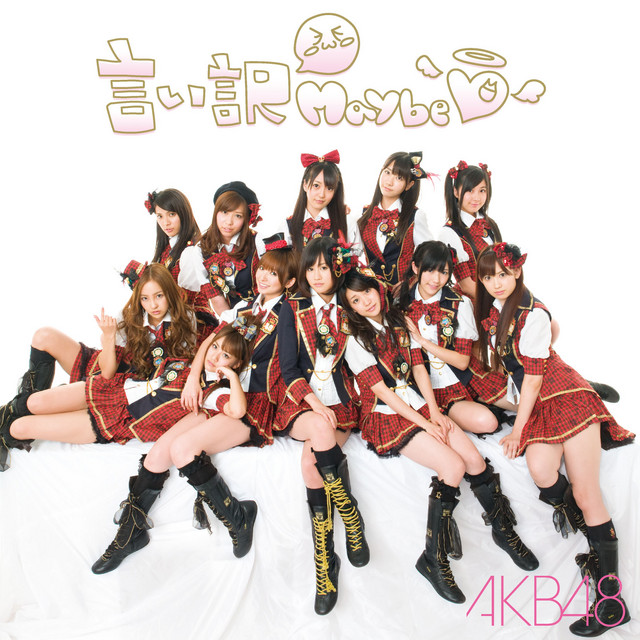
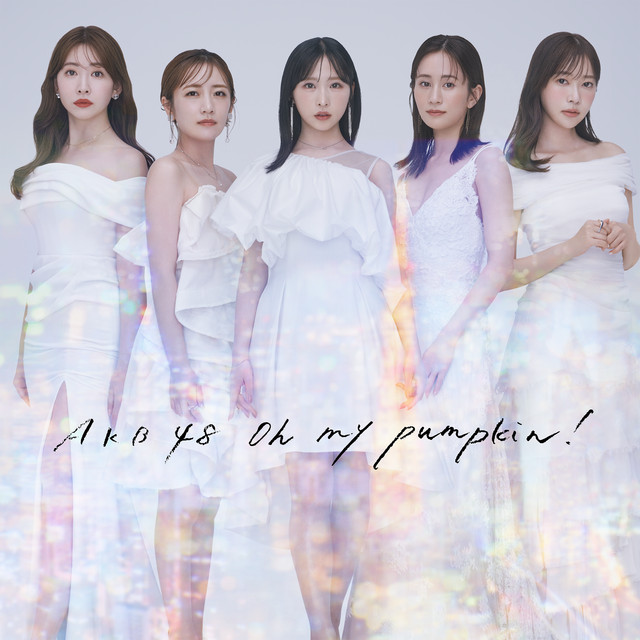
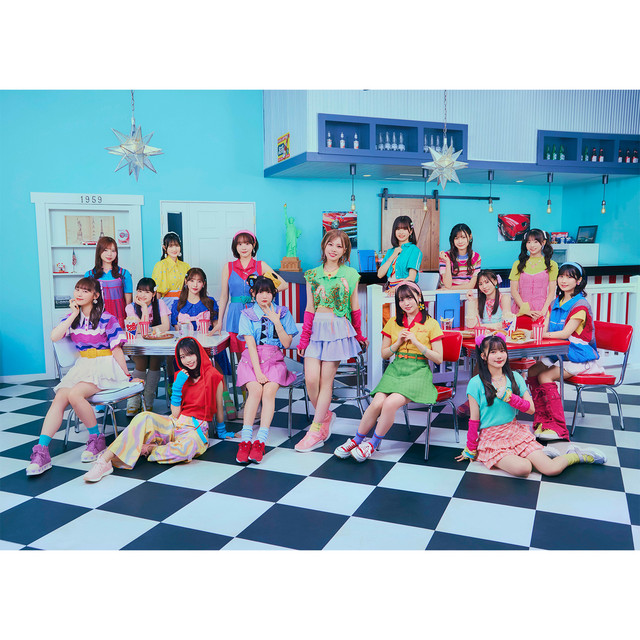
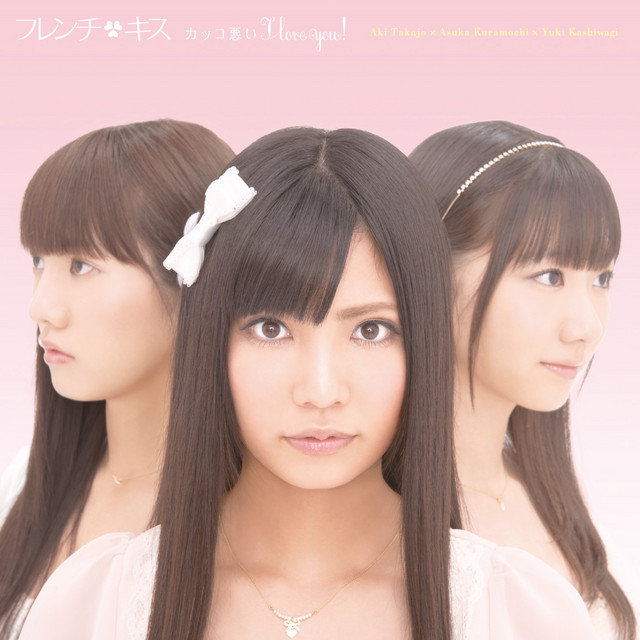
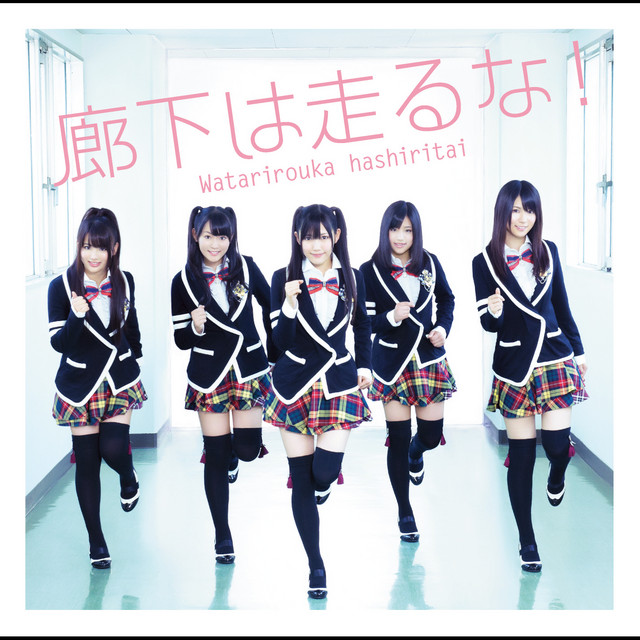
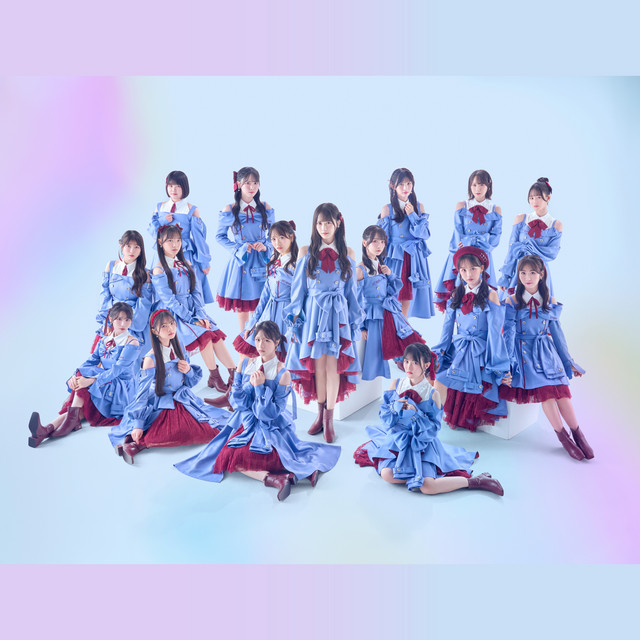
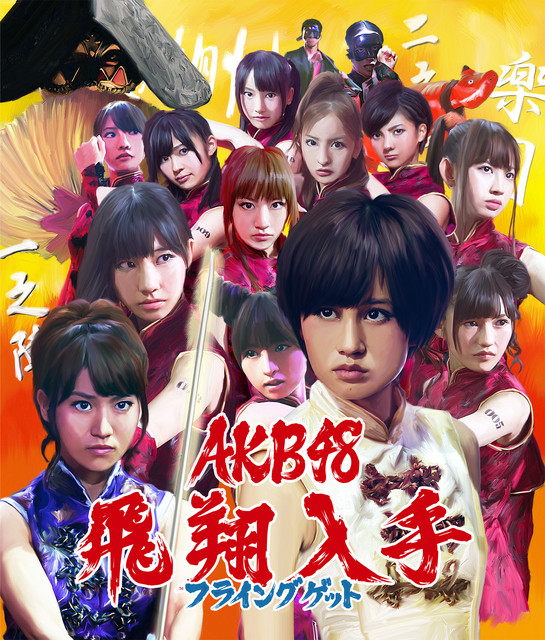
48g refers to the pop-idol sound and ecosystem built around the AKB48 Group and its many sister groups. It blends bright, hook-heavy J‑pop songwriting with large-ensemble vocals, chant-friendly choruses, and tightly synchronized choreography designed for theaters, TV variety shows, and fan events.

The style emphasizes accessibility (“idols you can meet”), call‑and‑response moments for wotagei crowd chants, and lyrics about youth, friendship, and innocent romance. Production is glossy and upbeat, often using four‑on‑the‑floor dance-pop grooves, synths, handclaps, and triumphant key changes to showcase multiple members and a rotating “center” within a large lineup.

History

Origins (mid–late 2000s)

AKB48 was created in 2005 by producer Yasushi Akimoto with the concept of “idols you can meet,” centering performances at a dedicated theater in Akihabara, Tokyo. Musically, early singles crystallized a modernized J‑pop idol sound drawing on 1980s idol kayō and 1990s/2000s dance‑pop, but scaled up for a large, rotating cast. By the late 2000s, the group’s high‑energy choruses, chant‑ready hooks, and meticulously staged performances had become a distinct playbook.

Breakthrough and Expansion (2010s)

From around 2009–2012, 48g surged to mainstream prominence through annual “Senbatsu” elections, handshake events, and explosive single sales. Sister groups—SKE48 (Nagoya), NMB48 (Osaka), HKT48 (Fukuoka), NGT48 (Niigata), and STU48 (Setouchi)—replicated the model across Japan. International groups such as JKT48 (Indonesia), SNH48 (China; later independent), BNK48 (Thailand), and MNL48 (Philippines) extended the sound and format across Asia.

Aesthetics and Industry Impact

48g standardized a bright, motivational J‑pop template: major‑key anthems, stacked group vocals, and climactic modulations engineered for variety TV, arenas, and fan interaction. Its theater system, line distribution across many members, and fan‑participation mechanics reshaped idol business practices and live culture. The approach also catalyzed alternative and rock‑leaning idol scenes as both evolution and reaction.

Consolidation and Legacy (late 2010s–present)

While membership and public focus shift with graduations and new generations, the 48g blueprint—upbeat ensemble pop built for choreography, call‑and‑response, and revolving centers—remains influential across Japanese idol music and neighboring scenes. The sound continues to adapt to digital platforms while retaining its core fan-centric performance DNA.

How to make a track in this genre

Core Songwriting
•   Aim for bright, major‑key anthems with instantly memorable choruses. •   Use common J‑pop progressions (e.g., I–V–vi–IV, vi–IV–I–V) and plan a late key change (up a semitone or whole tone) for the final chorus. •   Keep tempos in the 120–160 BPM range to support synchronized choreography and energetic crowd response.
Rhythm and Groove
•   Start with a punchy, dance‑pop beat: tight kick on the downbeats, crisp claps/snares on 2 and 4, and driving hi‑hats for momentum. •   Add handclaps, tambourine, and tom fills to accent pre‑chorus builds and cue crowd chants.
Instrumentation and Texture
•   Layer shiny synths, bright electric guitars, synth brass stabs, and string pads for a triumphant feel. •   Use short melodic hooks (synth lead or guitar) that double the vocal top line in the chorus. •   Arrange dropouts before the chorus or bridge to spotlight the “center” singer, then bring the full band back for impact.
Vocals and Arrangement for Large Ensembles
•   Distribute lines among many members: solo phrases, small‑unit harmonies, and big unison refrains. •   Stack harmonies (3rds/6ths) on chorus hooks; double with octaves for power. •   Design call‑and‑response and chant cues (“Oi!”, “Hai!”) to invite wotagei MIX participation.
Lyrics and Themes
•   Focus on youth, friendship, school life, aspirations, and pure romance; keep messages uplifting and relatable. •   Use vivid, everyday imagery and motivational refrains to encourage crowd sing‑along.
Production Tips
•   Keep vocals forward, clean, and tightly edited; layer doubles on hooks for sheen. •   Use risers, snare rolls, and filter sweeps into choruses; reserve a short dance break for choreography. •   Master with bright high‑end and controlled low‑end for TV, theater, and streaming playback.

Main artists

Top tracks

Locked
Share your favorite track to unlock other users’ top tracks
Influenced by
Has influenced
Challenges
Digger Battle
Let's see who can find the best track in this genre
© 2025 Melodigging
Melodding was created as a tribute to Every Noise at Once, which inspired us to help curious minds keep digging into music's ever-evolving genres.
Buy me a coffee for Melodigging