Your digging level

For this genre
0/8
🏆
Sign in, then listen to this genre to level up

Description

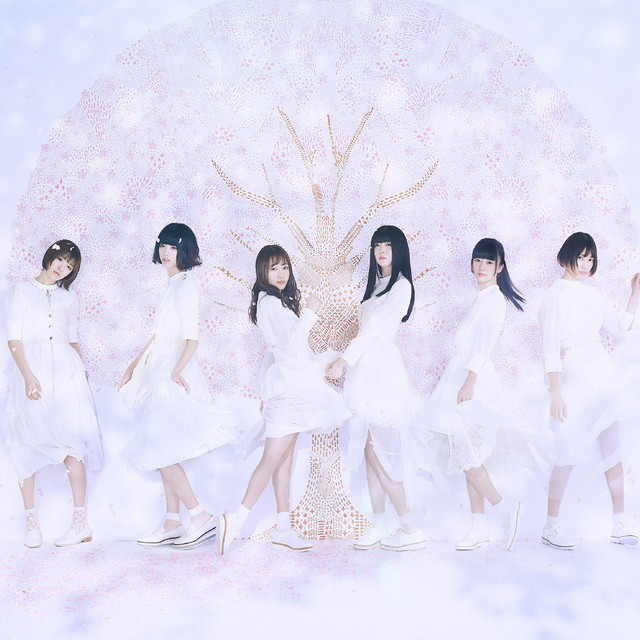
Idol rock is a Japanese pop-idol–centered style where the visual and fan-culture “idol” framework is paired with rock band or rock-derived arrangements.

Compared to mainstream J-pop idol music, idol rock typically emphasizes louder guitars, live-band energy, punchier drums, and song structures borrowed from pop-rock, punk, emo, or alternative rock, while keeping idol pop’s bright hooks, chant-friendly choruses, and character-driven presentation.

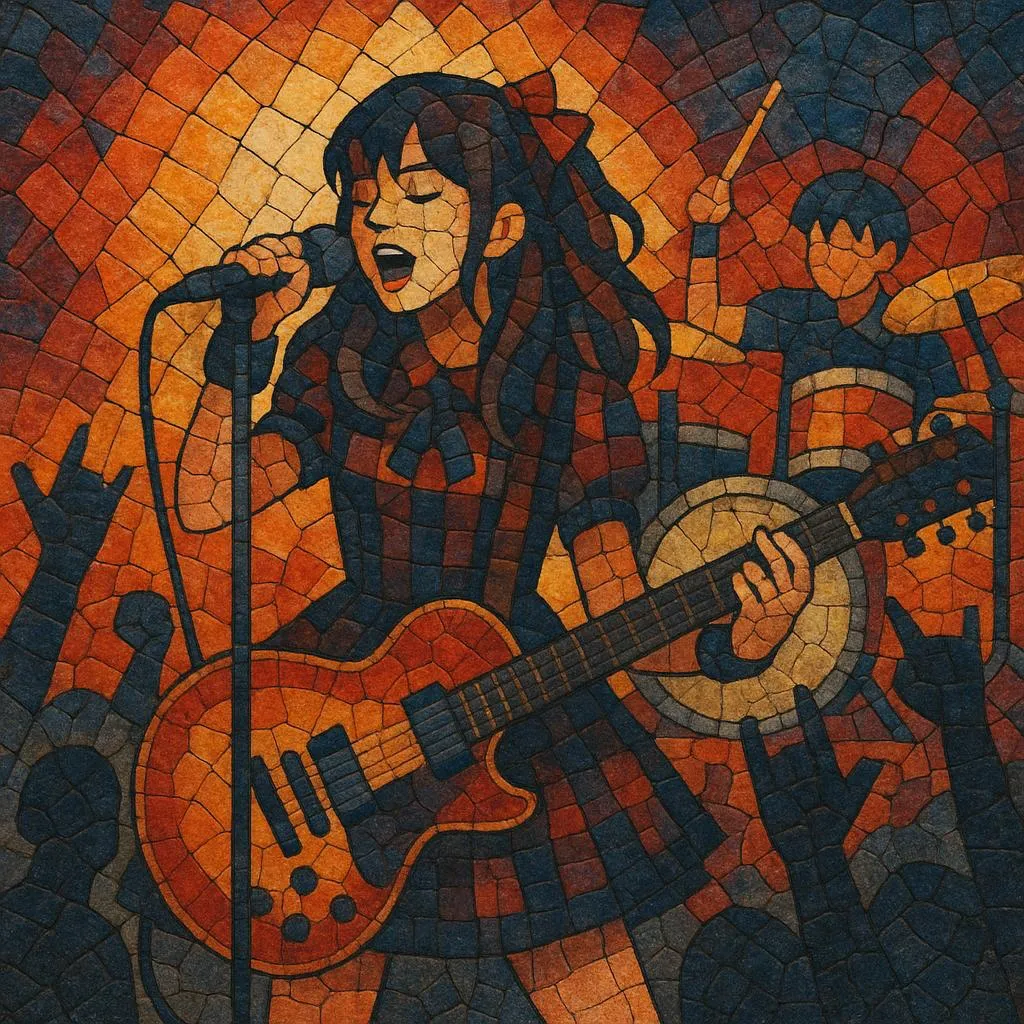
Performances often blend concert-style rock staging (bands, mosh/hand gestures, call-and-response) with idol choreography and audience participation traditions.


Sources: Spotify, Wikipedia, Discogs, Rate Your Music, MusicBrainz, and other online sources

History

Background

Japanese idols have periodically incorporated rock elements since earlier eras of J-pop, but what later became recognized as “idol rock” crystalized when a growing number of idol units made rock-forward arrangements and live-house performance culture central to their identity.

2000s: Formation and scene identity

During the 2000s, the rise of independent idol circuits and live-house culture enabled groups to lean harder into guitars and band-like presentation. The sound often drew from pop-rock, punk, and alternative rock while preserving idol-friendly hooks and fan participation.

2010s: Expansion and diversification

In the 2010s, idol rock expanded dramatically, intersecting with adjacent hybrid forms (e.g., harder idol-metal and more punk/emo-leaning idol units). Festivals and media coverage helped normalize “rock idols” and made the style more visible internationally.

2020s: Continued hybridity

In the 2020s, the category remains fluid. Some acts move toward heavier metalcore-adjacent production, while others emphasize indie/alternative textures, but the defining feature remains the idol framework combined with rock-forward songwriting and performance.
How to make a track in this genre

Instrumentation & sound palette
•   Use a rock core: distorted electric guitars (rhythm + lead), electric bass, and acoustic drum kit. Add synths subtly for modern idol sheen (pads, risers, sub-bass reinforcement). •   Aim for a “live” feel even in studio mixes: roomy drums, energetic guitar doubles, and crowd-chant-ready stops.
Rhythm & tempo
•   Common tempos sit around 120–180 BPM depending on whether you lean pop-rock, punk, or emo. •   Favor driving 8th-note rhythms, snare on 2 and 4, and occasional half-time drops for chorus impact. •   Build in call-and-response spaces: short breaks, shout cues, or instrumental hits that invite audience chants.
Harmony & melody
•   Keep harmony pop-accessible: diatonic progressions in major or minor keys (e.g., I–V–vi–IV, vi–IV–I–V, i–VI–III–VII). •   Write strong, singable toplines with a high, bright chorus hook; let verses be more rhythmic and talk-sung if desired. •   Use stacked vocal harmonies (thirds/sixths) and occasional unison lines for “idol unity” moments.
Song structure
•   Favor compact pop structures: Intro → Verse → Pre-chorus → Chorus → Verse → Pre → Chorus → Bridge → Final chorus. •   Add a short guitar solo or instrumental break to emphasize the rock identity, but keep it melodic and hook-based.
Lyrics & themes
•   Use idol-friendly themes: aspiration, teamwork, self-improvement, romance,青春 (youth), and fan-connection. •   Write chantable key phrases in choruses (repeated slogans) and include short ad-libs that translate well on stage.
Performance & arrangement tips
•   Combine choreography with band-style stage blocking; ensure choruses leave space for big gestures and crowd participation. •   Use dynamic contrast: quieter pre-choruses and explosive choruses; occasional breakdowns for audience interaction. •   Encourage “mix”/call patterns through predictable chorus rhythm and clear vocal cue points.

Top tracks

Locked
Share your favorite track to unlock other users’ top tracks
Influenced by
Challenges
Digger Battle
Let's see who can find the best track in this genre
© 2026 Melodigging
Melodding was created as a tribute to Every Noise at Once, which inspired us to help curious minds keep digging into music's ever-evolving genres.
Buy me a coffee for Melodigging