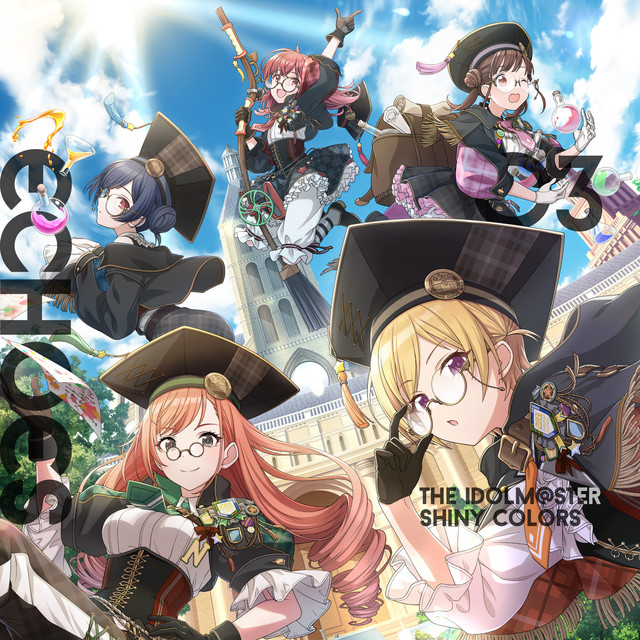
Your digging level for this genre

0/8
🏆
Sign in, then listen to this genre to level up

Description

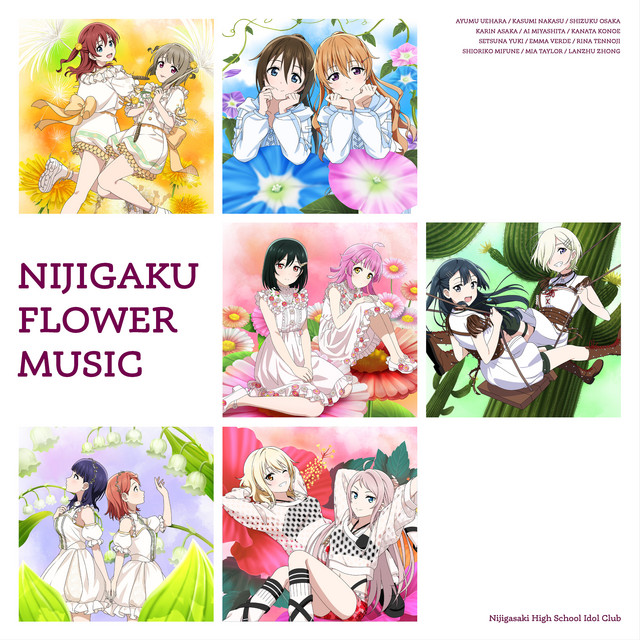
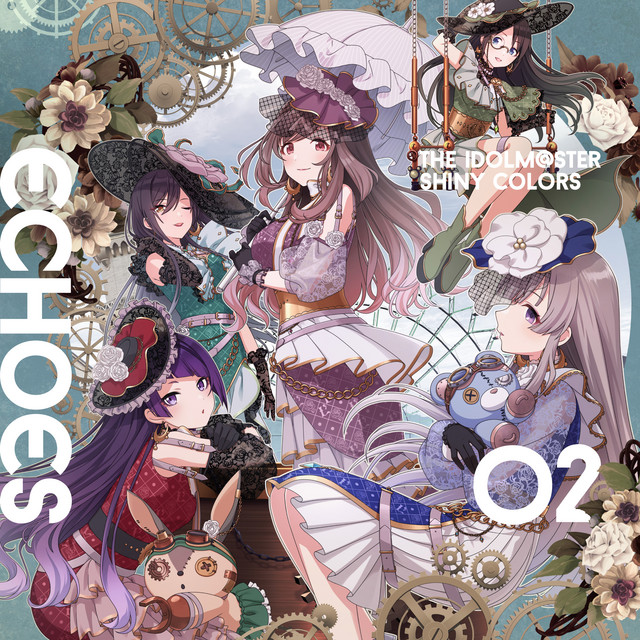
Anime CV (Character Voice) refers to songs performed by voice actors (seiyuu) in-character, often released as character songs, image songs, insert tracks, or unit/duet numbers tied to specific anime titles.

It blends the melodic polish of J‑Pop with theatrical vocal delivery, monologues, and catchphrases that reflect a character’s personality and story arc. Arrangements span bright idol pop, rock, cute denpa-leaning tunes, and ballads, but the defining trait is that the singer performs as the character, not as themselves.

These releases commonly appear on single CDs, soundtrack albums, or drama CDs, and they may include multiple versions (solo, duet, group) and narrative interludes. Hooks, call‑and‑response, and modulation key‑changes are frequent, supporting a high-energy, kawaii, and narrative-forward aesthetic.

History

Origins (late 1980s–1990s)

Voice actors occasionally sang in-character before the 1990s, but the seiyuu idol boom of the late 1980s and 1990s (ex. the rise of star seiyuu and anime tie-in singles) standardized the idea of character songs as dedicated commercial releases. Labels realized that fans wanted music that extended the on-screen persona, paving the way for “CV” to signify the performer is the voice of the character.

Expansion (2000s)

As anime production and merchandising scaled, character-song programs became routine. Popular seiyuu like Megumi Hayashibara, Maaya Sakamoto, and Nana Mizuki bridged anime tie-ins and mainstream J‑Pop visibility. Compilation “image albums,” drama CDs, and insert-song episodes multiplied, and anime events began featuring live in-character performances and unit stages.

Digital Era (2010s–present)

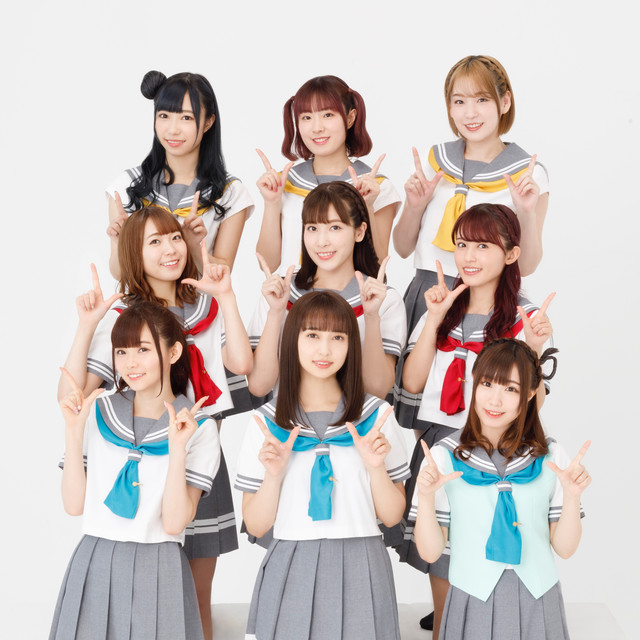
Streaming, social media, and anime music festivals boosted discoverability. Cross-media franchises (games, stage shows, anime) regularly form in‑world idol groups whose members release extensive CV discographies. Today, “Anime CV” remains a core pillar of the anison economy, linking character narrative, seiyuu performance, and J‑Pop craft in a durable, fan‑driven ecosystem.
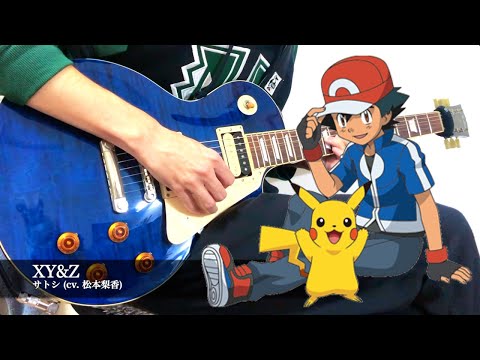
How to make a track in this genre

Vocal and Characterization
•   Write with the character’s voice, mannerisms, and catchphrases in mind. Include brief spoken lines or monologues to reinforce persona. •   Encourage dynamic delivery: shifts between cute, emotive, and theatrical tones suit story beats.
Melody and Harmony
•   Favor memorable, hooky melodies; use pre-chorus build and payoff choruses. •   Key changes (often up a semitone or whole tone) near the final chorus are common for emotional lift. •   Typical tempos range from 120–170 BPM for upbeat idol-pop/rock; ballads slow to 70–100 BPM.
Arrangement and Instrumentation
•   Core palette: J‑Pop rhythm section (drums/bass), bright guitars or synths, and layered backing vocals. •   Add sparkle with anime-coded details: chiptone accents, handclaps, glockenspiel, and short call‑and‑response group shouts. •   For rock-leaning tracks, use tight rhythm guitars and energetic drum fills; for denpa‑cute tracks, emphasize bouncy synth leads and playful FX.
Lyrics and Structure
•   Write from the character’s POV, referencing relationships, goals, or iconic scenes; keep language vivid and optimistic. •   Common form: intro – verse – pre – chorus – verse – pre – chorus – bridge – key change – final chorus – outro. •   Consider alternate versions (duet/unit) with interwoven lines and harmonized hooks.
Production Tips
•   Bright, forward vocals; double tracking on choruses and ad‑libs for excitement. •   Use clean compression and sidechain pumping on pop/EDM‑leaning tracks to maintain bounce. •   Leave room for short spoken bits without crowding the musical hook.

Top tracks

Locked
Share your favorite track to unlock other users’ top tracks
Influenced by
Has influenced
Challenges
Digger Battle
Let's see who can find the best track in this genre
© 2025 Melodigging
Melodding was created as a tribute to Every Noise at Once, which inspired us to help curious minds keep digging into music's ever-evolving genres.
Buy me a coffee for Melodigging