Your digging level

For this genre
0/8
🏆
Sign in, then listen to this genre to level up

Description

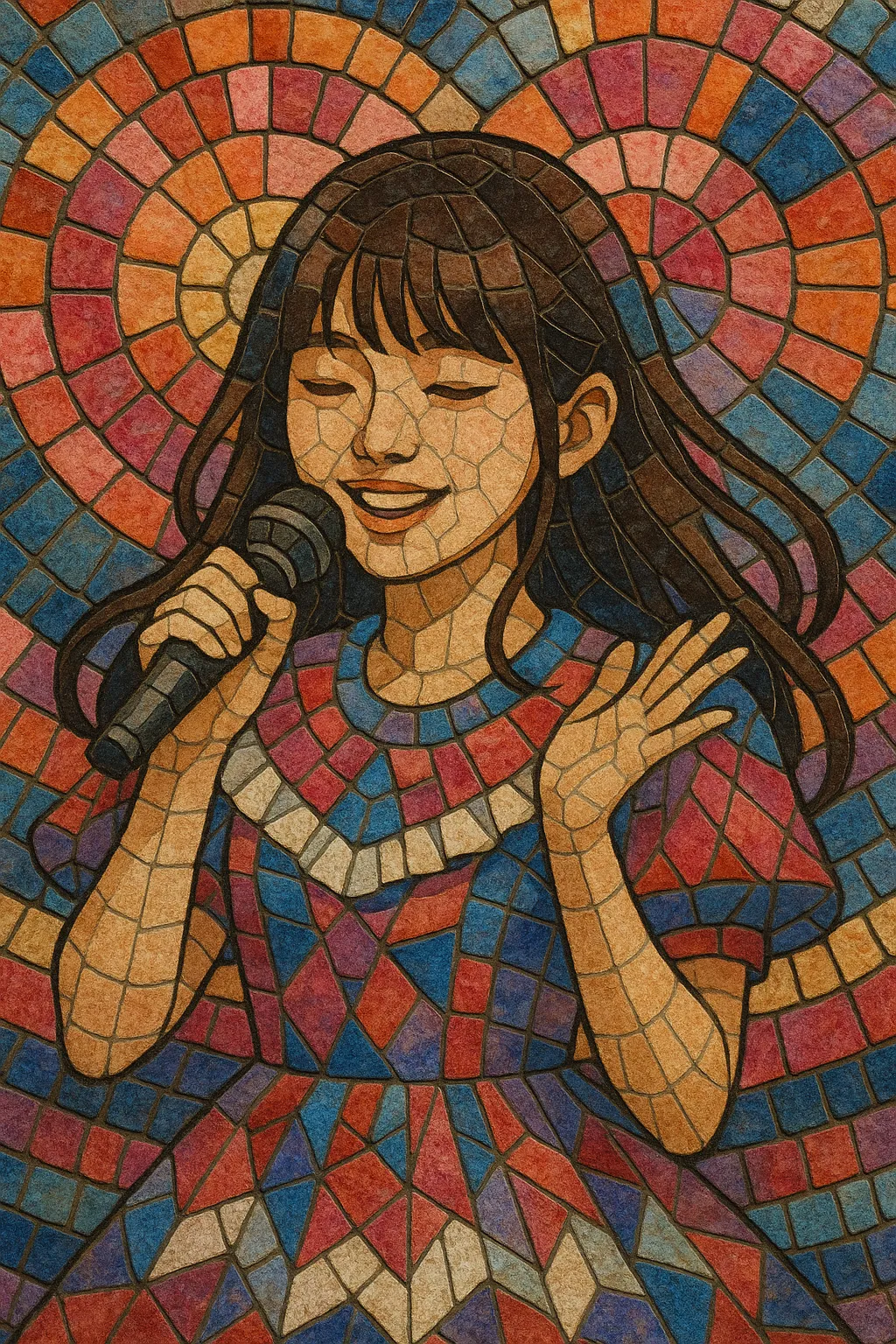
J‑idol is a Japanese pop genre and entertainment system centered on highly produced idol singers and groups who perform bright, hook‑driven songs and cultivate a close, aspirational relationship with fans.

Musically, it spans sugary kayōkyoku roots and 1980s teen‑idol pop through modern J‑pop, dance‑pop, and synth‑pop, favoring memorable choruses, call‑and‑response chants, and key‑change finales. Culturally, it is defined by talent agencies, rigorous training, elaborate choreography, and an "idols‑you‑can‑support" ethos that foregrounds growth, personality, and fan participation (handshake events, wotagei chants, color‑coded lightsticks, and member "graduations").

While often associated with mainstream polish, J‑idol also includes innovative sub‑scenes (alt‑idol, idol rock, kawaii metal) that hybridize the idol format with punk, metal, and experimental pop.


Sources: Spotify, Wikipedia, Discogs, Rate Your Music, MusicBrainz, and other online sources

History

Origins (1970s)

Modern J‑idol culture crystallized in the 1970s as kayōkyoku and teen‑idol television stars (e.g., Candies, Pink Lady) translated variety‑show charisma into bright, danceable pop singles. Agencies began systematizing auditions, image crafting, and multi‑media promotion.

Golden Age (1980s)

The 1980s brought a full idol boom: chart‑dominating solo idols like Seiko Matsuda and group phenomena like Onyanko Club. Songs leaned on glossy kayōkyoku songwriting, early synths, and instantly memorable refrains, while TV tie‑ins and magazines amplified parasocial appeal.

Systemization and Diversification (1990s–2000s)

Johnny’s male idols (SMAP, Arashi) defined the boy‑idol mainstream with polished choreography and TV ubiquity. Morning Musume rebooted the female idol model via auditions and rotating memberships. Production shifted toward modern J‑pop, dance‑pop, and synth‑pop, while handshake events and theater stages deepened fan engagement.

Megagroups and Sub‑Scenes (2010s)

AKB48’s theater system, election singles, and sister groups scaled the format nationwide, inspiring Nogizaka46 and others. Parallel to the mainstream, alt‑idol scenes (BiS, BiSH) fused punk/experimental aesthetics, and idol rock/kawaii metal (Momoiro Clover Z, BABYMETAL) hybridized the idol template with rock and metal energy.

Global Reach (2020s)

Streaming and social platforms globalized J‑idol aesthetics, choreography, and fan practices. International collaborations, anime tie‑ins, and overseas tours expanded reach, while sub‑styles continued to refresh the core formula of catchy hooks, performance spectacle, and fan‑centric storytelling.

How to make a track in this genre

Core Songcraft
•   Aim for bright, memorable melodies in major keys (A, C, D, G common) with sing‑along choruses. •   Use concise structures (Intro–Verse–Pre–Chorus–Chorus–Verse–Pre–Chorus–Chorus–Bridge–Chorus) and consider a final whole‑ or half‑step key change for lift. •   Keep hook density high: a short pre‑chorus hook, a punchy chorus tag, and a post‑chorus chant ("oh‑oh"/call‑and‑response) for crowd interaction.
Harmony & Rhythm
•   Functional pop harmony (I–V–vi–IV; ii–V prep to IV; borrowed IVm for wistful color) works well. •   Tempos typically 110–150 BPM: mid‑tempo for sentimental singles, 130–145 BPM for dance anthems. •   Groove palettes: four‑on‑the‑floor dance‑pop, syncopated J‑pop drums, or rock backbeats for idol rock flavors.
Instrumentation & Production
•   Layered synths (bright polys, bells, supersaws), tight electric bass, clean guitars for sparkle, and EDM/pop drums. •   Add ear‑candy: risers, clap stacks, vocoder doubles, and filtered builds. Keep vocals forward, glossy, and tuned naturally. •   Arrange for choreography: clear downbeat impacts, 8‑bar phrases, dance breaks, and shout sections for wotagei/MIX chants.
Vocals & Lyrics
•   Multi‑member arrangements: unison choruses, rotating solo lines, simple thirds/fifths harmonies, and ad‑libs. •   Lyrics emphasize aspiration, friendship, perseverance, seasonal romance, and gratitude to fans; keep language direct and uplifting. •   Write short, catchy member catchphrases and call‑outs to personalize live moments.
Performance & Presentation
•   Choreography is integral: design moves synced to rhythmic accents and chorus hooks; color‑code outfits/lightsticks. •   Plan fan‑interaction cues (call‑and‑response, pause‑drops, chant sections) and consider MC/intro interludes.
Release & Fan Engagement
•   Build around singles with multiple editions, member rotations/centers, and “election” or “handshake” concepts. •   Tie in anime/TV themes when possible, and leverage social media for behind‑the‑scenes growth narratives.

Top tracks

Locked
Share your favorite track to unlock other users’ top tracks
Influenced by
Has influenced
Challenges
Digger Battle
Let's see who can find the best track in this genre
© 2026 Melodigging
Melodding was created as a tribute to Every Noise at Once, which inspired us to help curious minds keep digging into music's ever-evolving genres.
Buy me a coffee for Melodigging