Your digging level
Description
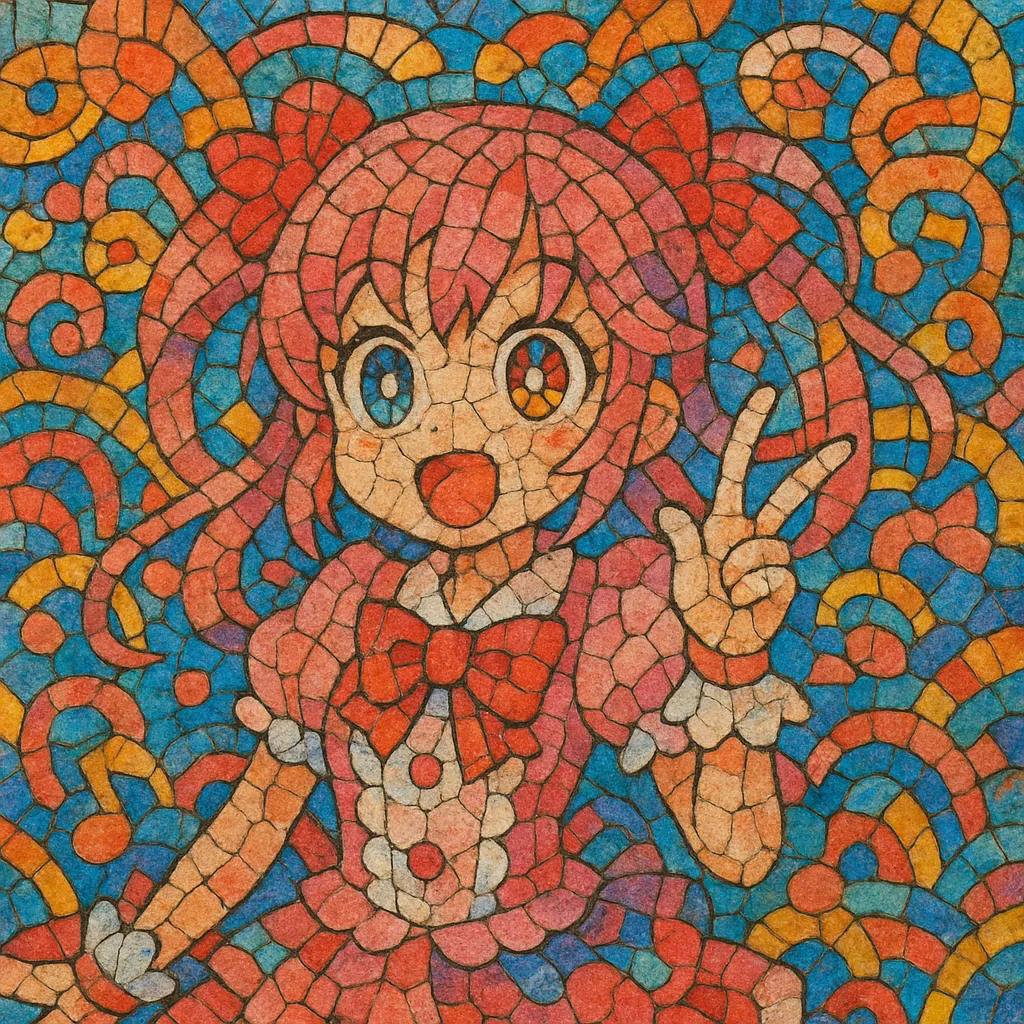
Denpa-kei is a hyper-cute, high-energy style of Japanese pop associated with otaku culture, Akihabara, and the aesthetic of "moe." The music is intentionally maximalist and slightly surreal, often featuring rapid-fire melodies, childlike or high-pitched vocals, dense layers of synths, and sudden key or tempo shifts that heighten a sugar-rush mood.
Arrangements commonly draw on chiptune timbres, toy-like sound effects, and catchy, call-and-response hooks. Lyrics lean into absurd humor, onomatopoeia, and otaku in-jokes, referencing maids, anime tropes, visual novels, and games. While playful on the surface, the style is highly crafted, using advanced modulation, tight vocal stacking, and brisk BPMs to create an over-the-top, euphoric impact.


History
The term "denpa" emerged in Japanese internet subculture and otaku communities to describe songs that felt "electrically charged" or delightfully strange. By the early 2000s, denpa-kei coalesced as a sound around Akihabara and eroge/visual-novel theme songs, combining idol-pop hooks with picopop/chiptune textures and deliberately over-the-top cuteness. Circles and labels catering to Comiket and doujin scenes gave the style a home, and early works set the template: fast tempos, sudden modulations, and whimsical, moe-focused lyrics.
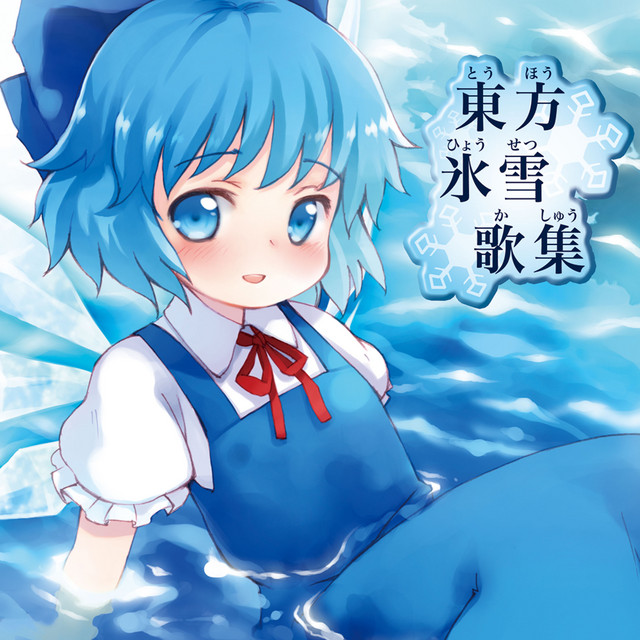
Doujin circles such as IOSYS and COOL&CREATE popularized the sound with humorous, denpa-flavored Touhou arrangements that went viral on Nico Nico Douga and early YouTube. Artists like MOSAIC.WAV and units such as UNDER17 (with Haruko Momoi) bridged the eroge/anime world and otaku live events, making denpa-kei a recognizable micro-genre within J-pop’s broader Akiba-kei culture.
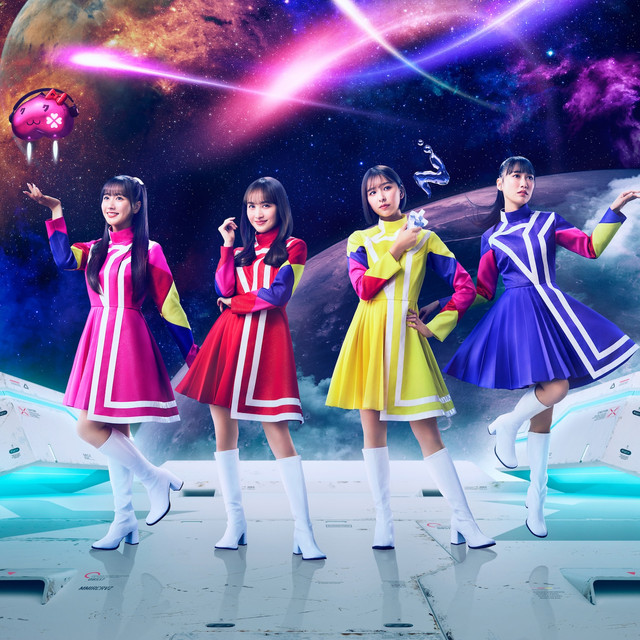
In the 2010s, denpa-kei aesthetics crossed into idol and internet music. The idol group でんぱ組.inc (Dempagumi.inc) brought the denpa sensibility to larger stages, while Vocaloid producers adopted denpa’s ultrabright melodies and playful lyricism. The sound influenced adjacent styles across doujin, Touhou arrange culture, and kawaii-oriented electronic music.
Denpa-kei remains a niche but globally visible style thanks to streaming, clip culture, and rhythm games. Its DNA—cute maximalism, frantic hooks, and otaku humor—continues to inform Vocaloid/UTAU scenes, lolicore sampling aesthetics, and kawaii future bass, ensuring its ongoing relevance in internet-native pop.
![[FREE Download] How To Make Kawaii Shibuya-Kei (渋谷系) J-Pop [CAPSULE, Serani Poji]](https://i.ytimg.com/vi/UF2KGCgEXa4/hqdefault.jpg)