Your digging level
Description
Anime hardstyle is a hard dance microgenre that fuses the tonal kicks, tempo, and arrangement of hardstyle with melodies, motifs, and vocal material drawn from anime songs (anison), J‑pop, and otaku culture.
Typically around 150 BPM, it combines reverse‑bass or modern pitched hardstyle kicks with bright euphoric leads, supersaws, and screeches. Producers frequently sample or re‑sing anime opening/ending themes, chop Japanese vocals, or write original melodies in the anison/J‑pop idiom, then stage them in hardstyle drops and climaxes.
The style emerged online through doujin circles and platforms like Niconico/YouTube/SoundCloud, overlapping with J‑core, nightcore, Vocaloid, and the broader Japanese hard dance scene. Its identity is as much aesthetic as sonic: pop‑anime hooks framed by festival‑ready hardstyle energy.
History
Hardstyle matured in Europe in the 2000s, developing reverse‑bass grooves, pitched tonal kicks, and big-room climaxes. In parallel, Japan’s doujin and J‑core scenes popularized anime remixes and otaku-focused hard dance, with upload culture on Niconico and early YouTube normalizing anime‑centric bootlegs.
By the early–mid 2010s, producers began explicitly grafting anison/J‑pop melodies and voice chops onto hardstyle frameworks. Doujin circles and events fostered cross‑pollination between J‑core/Vocaloid and hardstyle creators, while online communities spread “anime hardstyle” edits, mashups, and originals beyond Japan.
SoundCloud, YouTube, and DJ pools helped consolidate the tag “anime hardstyle.” Festivals and club nights focused on Japanese hard dance started programming euphoric hardstyle alongside anime-flavored edits, and producers refined a recognizable formula: anison chord writing, bright supersaws, and dramatic hardstyle climaxes with either reverse‑bass or modern punch‑and‑tail kicks.
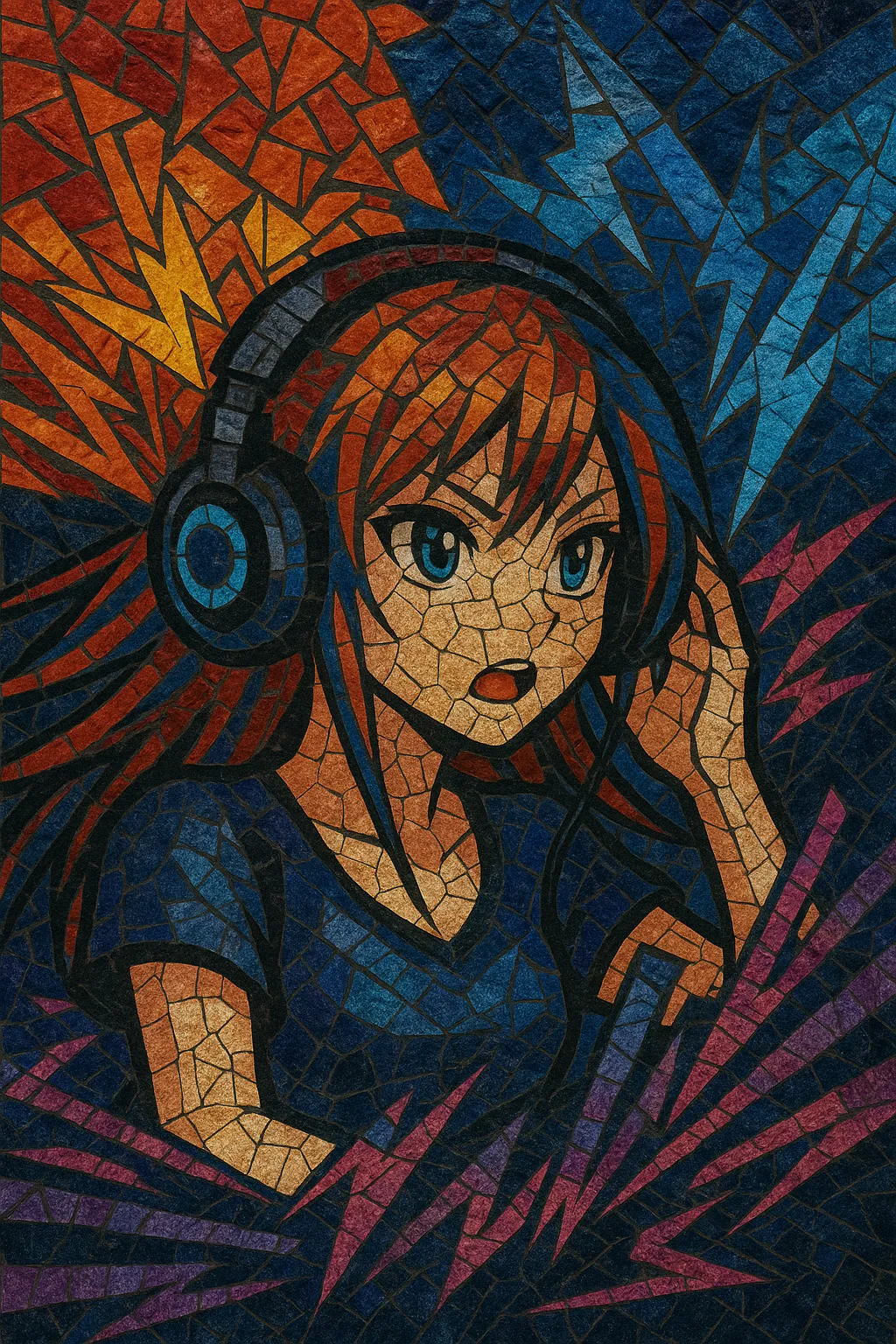
Cover art, MV visuals, and VJ loops borrow anime iconography, VTuber aesthetics, and doujin design. The genre remains internet‑native and collaborative: bootlegs, unofficial remixes, and community compilations continue to shape its repertoire.