Your digging level

For this genre
0/8
🏆
Sign in, then listen to this genre to level up

Description

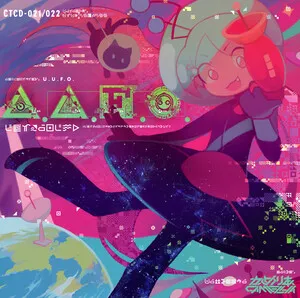
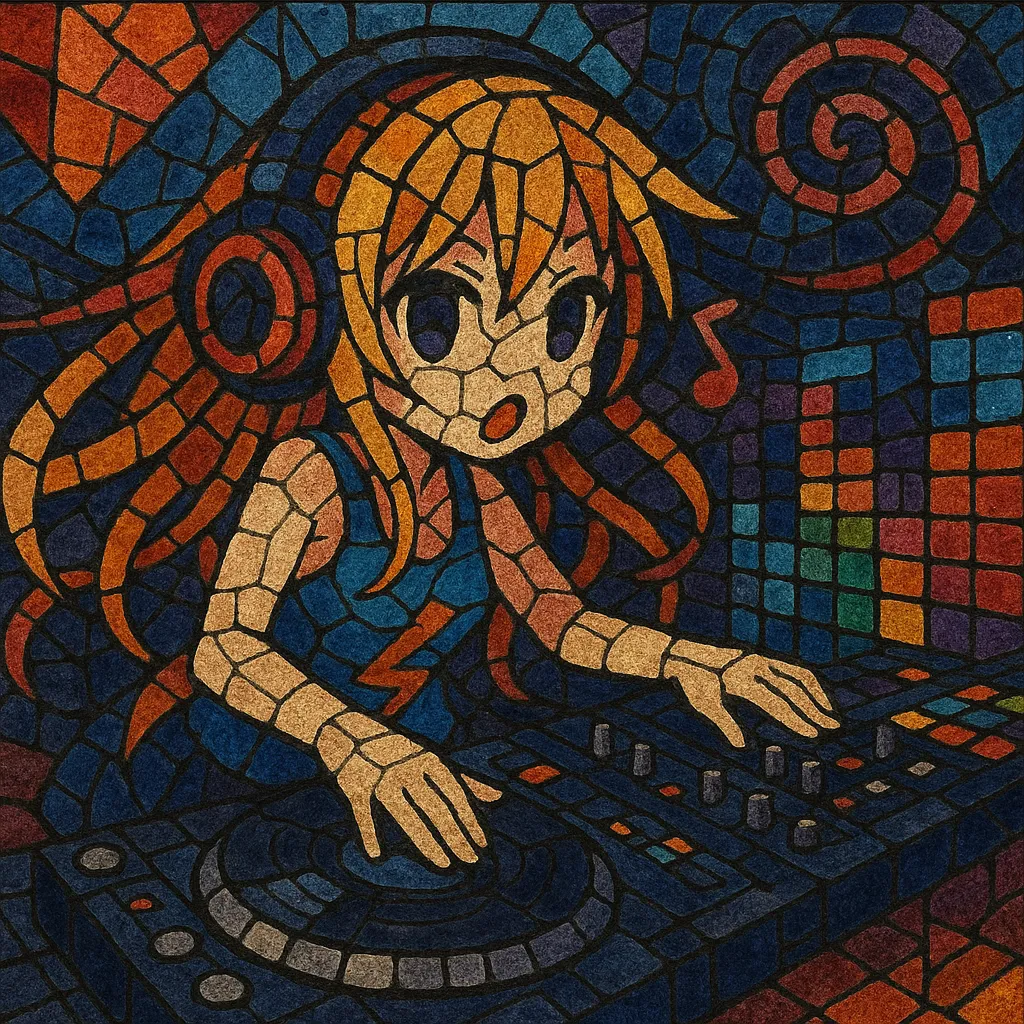
J-core is a Japanese take on hardcore techno that fuses high-BPM club structures with otaku culture, game/anime sampling, and brightly melodic writing. It typically sits in the 160–200+ BPM range, using pounding four-on-the-floor kicks, gabber-style distorted low-end, or layered breakbeats.

The style is defined by hyper-melodic leads (often supersaws), euphoric trance harmonies, and chopped/processed voice clips from anime, games, denpa songs, or Vocaloid. Aesthetically it leans kawaii/cute but can swing toward intense, chaotic, or even speedcore extremes. J-core flourished in Japan’s doujin scene and rhythm-game ecosystem, with circles and labels releasing compilations and event-driven tracks.


Sources: Spotify, Wikipedia, Discogs, Rate Your Music, MusicBrainz, and other online sources

History

Origins (late 1990s–2000s)

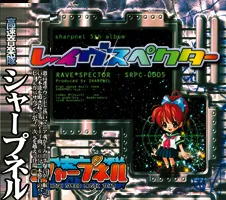
J-core emerged in Japan’s underground as local producers absorbed European hardcore lineages (gabber, happy hardcore, UK hardcore) and blended them with distinctly Japanese pop-cultural aesthetics. Early pioneers like DJ Sharpnel drew on breakbeat and sample-collage techniques, threading anime/game voice cuts through relentless hardcore frameworks.

Doujin circles and labels

Throughout the 2000s, doujin events (M3, Comiket) and the BMS scene (BMS of Fighters) gave producers a grassroots distribution channel. Labels/circles such as SHARPNELSOUND and HARDCORE TANO*C (founded by REDALiCE) consolidated the sound, releasing compilations that mixed euphoric melodies, aggressive kicks, and otaku-centric sampling. The scene thrived on CD-R releases, netlabels, and community events.

Rhythm-game feedback loop

Japan’s rhythm-game culture (e.g., Bemani titles) provided a natural home for high-BPM, melody-forward tracks. Producers like kors k, RoughSketch, and DJ TECHNORCH bridged J-core and game music, reinforcing the sound’s tight arrangement, dramatic builds, and peak-friendly drops. Online platforms then globalized the style, circulating tracks and DJ sets well beyond Japan.

2010s–present

In the 2010s, J-core diversified: some artists tilted toward faster speedcore and terror-influenced variants; others leaned into glossy trance/pop harmony or kawaii aesthetics that would later intersect with Vocaloid and internet micro-scenes. Today, J-core remains a flexible umbrella for Japanese-flavored hardcore, from nostalgic sample-collage to modern, polished festival-ready productions.

How to make a track in this genre

Core tempo and rhythm
•   Aim for 160–200+ BPM. 170–190 BPM is a common sweet spot. •   Use a 4/4 grid with either a hard, distorted gabber kick on every beat or layered breakbeats (e.g., Amen) on top of a four-on-the-floor foundation. •   Add off-beat open hi-hats and snare/clap accents on beats 2 and 4; sprinkle rapid fills and snare rushes for transitions.
Sound design and harmony
•   Build leads with bright, detuned supersaws; use trance-style chords (e.g., I–VI–III–VII in minor) and modulations for lift. •   Design a driving bass: either off-beat bass stabs (UK hardcore style) or a punchy, distorted low-end that fuses with the kick. •   Prioritize impactful kick synthesis: short pitch envelope, saturation/distortion, and careful EQ side-chaining so the kick rules the mix.
Sampling and aesthetics
•   Slice anime/game/denpa/Vocaloid voice clips; pitch, time-stretch, stutter, and gate them for rhythmic hooks. •   Layer chiptune or retro game timbres for nostalgia; combine with modern EDM processing for contrast. •   Mind sample legality if releasing commercially; for doujin contexts, check event rules and norms.
Arrangement and flow
•   Structure around intro → build → drop → breakdown → second drop → outro; keep energy high and sections concise. •   Use dramatic risers, snare rolls, filter sweeps, and stop-time stabs to punctuate transitions. •   Consider “storytelling” arrangement: thematically linked samples and motifs that evolve across drops.
Mixing and performance
•   Leave headroom; loudness comes from clipping/saturation on the kick-bass bus and controlled limiting. •   Carve space with sidechain compression and mid/side EQ; keep the lead bright but non-harsh. •   For DJ use, include clean intros/outros (8–16 bars) at full drums; fast mixing suits the genre’s high intensity.

Top tracks

Locked
Share your favorite track to unlock other users’ top tracks
Influenced by
Has influenced
Challenges
Digger Battle
Let's see who can find the best track in this genre
© 2026 Melodigging
Melodding was created as a tribute to Every Noise at Once, which inspired us to help curious minds keep digging into music's ever-evolving genres.
Buy me a coffee for Melodigging