Your digging level

For this genre
0/8
🏆
Sign in, then listen to this genre to level up

Description

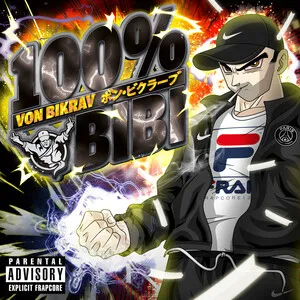
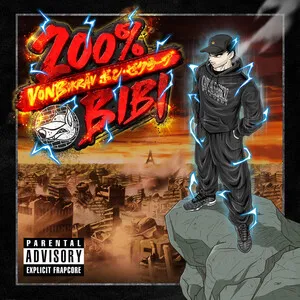
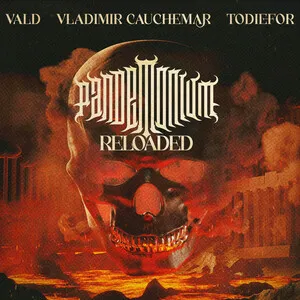
Frapcore is a French-born hybrid that fuses francophone rap delivery with the relentless drive of hardcore techno—especially gabber—instrumentals.

Typical tracks pair fast 4-on-the-floor kick drums, distorted bass, and sparse, aggressive synth riffs with tightly cadenced French verses. The result is a club-primed, high‑BPM form of rap that retains hip‑hop’s lyrical attitude while adopting rave culture’s intensity and sound design.


Sources: Spotify, Wikipedia, Discogs, Rate Your Music, MusicBrainz, and other online sources

History

Origins (mid‑2010s)

Frapcore emerged in France in the mid‑2010s as DJs and producers steeped in hardcore techno and gabber began inviting francophone MCs onto 160–190+ BPM club instrumentals. The aesthetic leaned on the iconic distorted 4/4 kick and minimalist rave motifs while preserving hip‑hop’s bar structures and punchline‑driven writing.

Consolidation and Scene

Small collectives and club nights helped codify the sound: producers offered gabber and hard‑techno beats tailored for rap flows, and MCs adapted their cadences to higher tempos. Online releases and festival clips spread the term “frapcore,” signaling a clear identity distinct from trap, drill, or classic boom‑bap.

Aesthetic and Reception

The genre’s appeal rests on energy and contrast—street‑level, often confrontational French lyrics against pounding, overdriven club sonics. It found a home in underground raves, DIY venues, and internet platforms, gradually permeating wider French rap and European club ecosystems.

How to make a track in this genre

Tempo, Rhythm, and Groove
•   Aim for 160–190+ BPM with a strict 4/4 pulse. •   Use a hard, clipped kick (909/Distorted) every beat; layer with off‑beat hats and sharp claps for drive. •   Sidechain bass and pads to the kick to keep the mix breathing at high speed.
Sound Design and Harmony
•   Build with minimal, abrasive timbres: saw/hoover leads, metallic stabs, noise sweeps. •   Keep harmony sparse (one‑ or two‑chord centers, modal riffs) to foreground rhythm and vocals. •   Employ distortion, bitcrush, and saturation on kicks and bass for a gabber feel.
Vocals and Writing
•   Write in French (a hallmark), favoring tight multisyllabic rhyme schemes and percussive delivery. •   Alternate 8–16 bar verses with shouted hooks designed for crowd participation. •   Themes can be combative, hedonistic, or tongue‑in‑cheek, but keep phrasing locked to the 4/4 grid.
Arrangement and Structure
•   Intro with DJ‑friendly 16–32 bars of drums; drop the vocal over the first riff. •   Use short breakdowns (filter sweeps, kick‑rolls) to tee up big drops; avoid overlong bridges. •   Keep total length around 2–3 minutes for maximum impact in club sets.
Mixing and Performance
•   Prioritize kick dominance (-6 to -8 LUFS integrated for club loudness); carve vocal space around 1–4 kHz. •   Live, pair an MC with a DJ running stems; trigger kick‑rolls, mutes, and FX to accent punchlines.

Related labels

Top tracks

Locked
Share your favorite track to unlock other users’ top tracks
Influenced by
Has influenced
Challenges
Digger Battle
Let's see who can find the best track in this genre
© 2026 Melodigging
Melodding was created as a tribute to Every Noise at Once, which inspired us to help curious minds keep digging into music's ever-evolving genres.
Buy me a coffee for Melodigging