Your digging level
Description
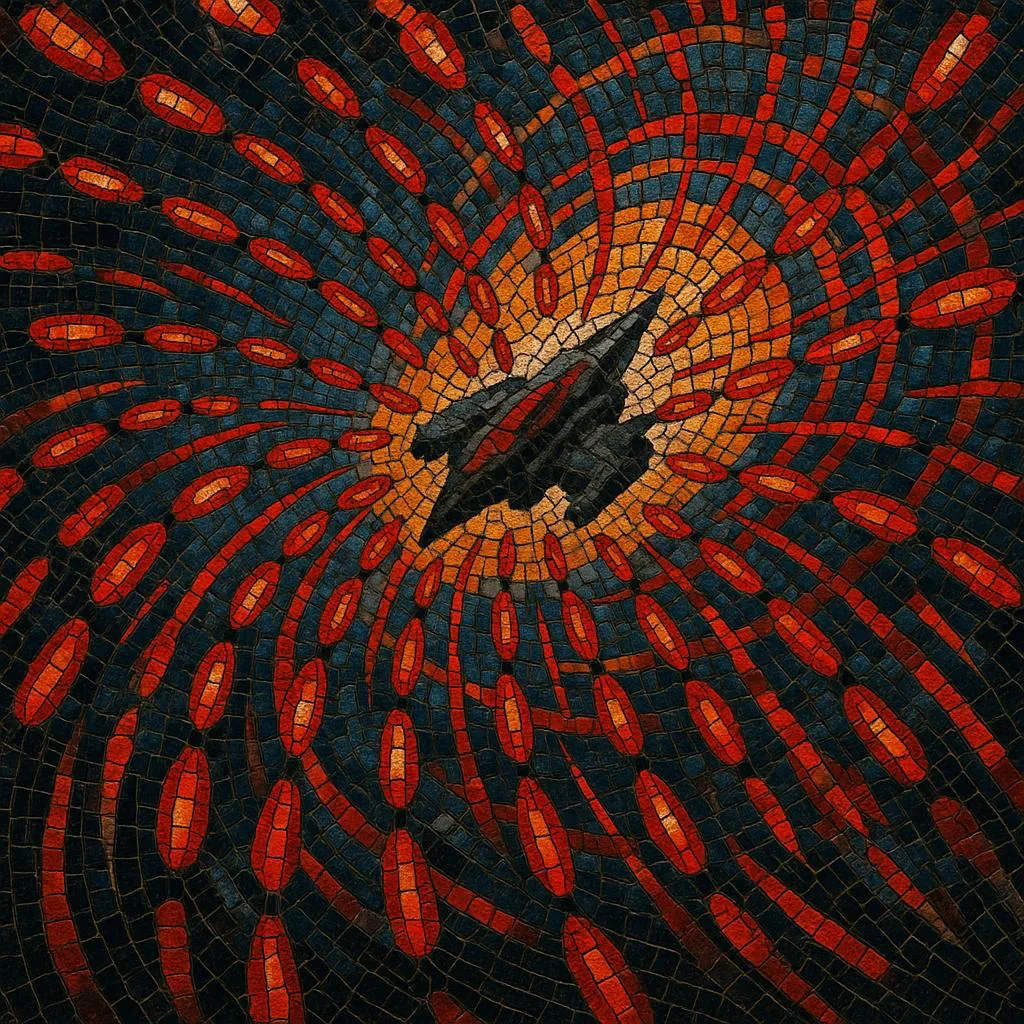
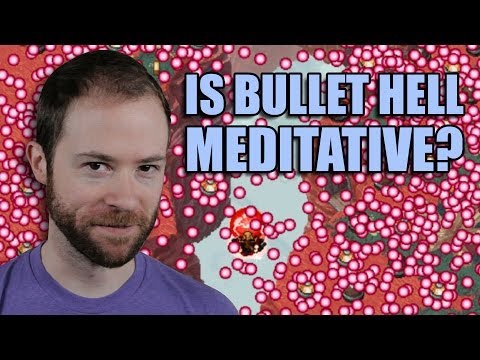
Bullet hell (danmaku) refers to a subgenre of shoot ’em up video games defined by screen‑filling patterns of enemy projectiles that demand precise movement and pattern recognition. In music tagging and discourse, “bullet hell” commonly denotes the high‑energy soundtrack aesthetic associated with these games.
Musically, bullet hell soundtracks emphasize very fast tempos, assertive and memorable melodies, bright synth leads, driving ostinatos, and dense but readable arrangements that sustain focus under extreme visual pressure. They mix arcade and PC‑98/console timbres (FM, PSG, and early PCM) with later trance, J‑core, and drum & bass production, yielding music that is simultaneously melodic, urgent, and loop‑friendly for stage and boss encounters.
History
Bullet hell as a game form coalesced in Japan in the 1990s, when developers like Toaplan and then CAVE pushed vertical shooters toward denser, more patterned projectile fields (e.g., Batsugun, DonPachi, DoDonPachi). Composers working on arcade hardware fused ear‑catching melodies with relentless rhythmic engines to keep players concentrated while patterns intensified. This period also inherited a strong melodic sensibility from earlier video game music and PC‑98 traditions.
CAVE and Raizing/8ing titles (e.g., Battle Garegga, Ketsui, Mushihimesama, Espgaluda) cemented the sonic profile: fast 4/4 grooves, minor‑to‑modal harmony, driving basslines, and brilliant, cutting synth leads designed to remain legible over SFX. Studios and teams like Basiscape carried the language forward, blending FM‑style brightness with modern sample‑based drums, trance arpeggios, and breakbeat interludes.
Jun’ya “ZUN” Ōta’s Touhou Project (from the PC‑98 era into Windows) popularized the bullet hell format globally and, crucially, its music. Touhou’s highly singable, rapid‑fire themes spawned vast dōjin remix ecosystems spanning denpa, J‑core, eurobeat, trance, jazz‑rock, and orchestral styles. Conventions and online communities turned bullet hell music into a living repertoire, adapted for clubs, rhythm games, and internet culture.
Indie shooters and homages adopted the bullet hell grammar, often pairing it with modern production (side‑chained trance, DnB neuro‑textures, and hard dance kicks) while retaining strong leitmotifs and brisk BPMs. Streaming and game‑music communities amplified the style’s reach; Touhou themes in particular became ubiquitous sources for remixes, mashups, and YTPMV edits, reinforcing the musical identity of bullet hell well beyond the games themselves.
![Undertale[AU] | Sudden Changes | Sans - Bullet Hell Guitar Tab Tutorial](https://i.ytimg.com/vi/AHqDvWkUqdE/hqdefault.jpg)



Top albums
Best playlists