Your digging level

For this genre
0/8
🏆
Sign in, then listen to this genre to level up

Description

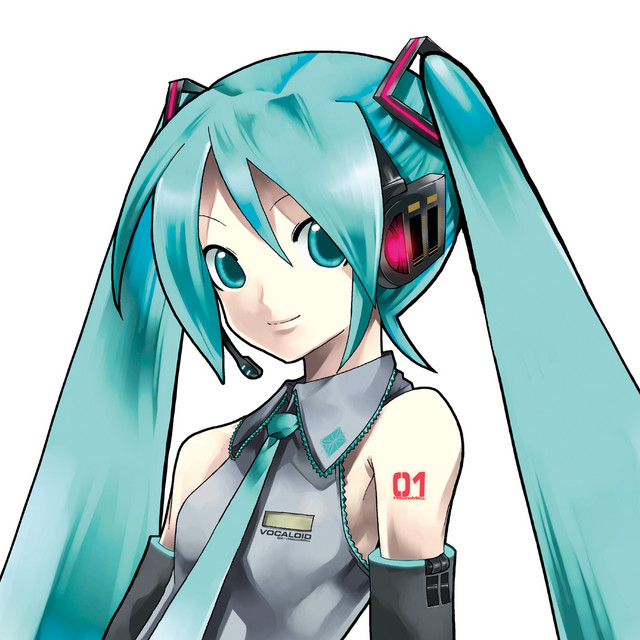
Kawaii EDM is a Japanese-born microgenre of electronic dance music that blends bright, "cute" pop aesthetics with modern club production. It emphasizes sparkling timbres, buoyant melodies, and animated sound design (glissando "chirps," toy-like mallets, chip-bleeps, and airy vocal chops) while keeping EDM’s sidechained punch and dance-floor momentum.

Stylistically, it sits at the intersection of J‑pop songwriting and future-bass/EDM frameworks: major or Lydian-leaning harmonies, jazzy 7ths/9ths, catchy hooks, and half‑time drops with supersaw stacks or bell/pluck arpeggios. Visually and culturally, it is inseparable from anime, doujin/otaku culture, and internet netlabel communities, pairing sugar‑rush optimism with a polished, hyper-detailed mix.


Sources: Spotify, Wikipedia, Discogs, RYM, MB, user feedback and other online sources

History

Early roots (late 2000s–early 2010s)

Kawaii EDM emerged from Japan’s netlabel and doujin spheres, where producers cross-pollinated J‑pop melodies, denpa/otaku sensibilities, and club-oriented tracks. Communities orbiting labels and upload hubs nurtured a bright, characterful sound distinct from Western big-room EDM.

Consolidation (mid–late 2010s)

As future bass and contemporary EDM frameworks spread online, Japanese creators folded those techniques into overtly “cute” palettes—bell/pluck motifs, chip elements, glossy supersaws, and pitched vocal chops. The result was a dance style whose emotional center felt closer to J‑pop than to festival bangers, even while using the same sidechain, drop, and sound‑design grammar.

Online acceleration and global reach (late 2010s–2020s)

Streaming platforms, video culture, and anime/vocal-synthesis scenes (Vocaloid/utaite, VTuber music) amplified kawaii EDM beyond Japan. The genre’s gleaming textures and optimistic harmonic language fit perfectly with internet aesthetics, inspiring adjacent scenes (Japanese and Korean hyperpop, electropop crossovers) and cementing kawaii EDM as a recognizable, exportable sound.

How to make a track in this genre

Core palette and harmony
•   Favor bright, major or Lydian-tinged keys. Common progressions include I–V–vi–IV, I–IV–V, or jazzier turns with maj7/9/13 extensions. •   Use bell/mallet plucks (e.g., toy piano, music box, soft mallets), airy supersaws, and chip/8‑bit accents. Layer cute FX (rises, twinkles, glissandi) for sparkle.
Rhythm and form
•   Two common feels: 1) future-bass half‑time at 70–90 BPM (140–180 BPM in double-time) for big, sidechained drops; 2) bouncy 120–140 BPM four‑on‑the‑floor for kawaii house/electropop. •   Arrange in short, vivid sections with frequent fills (snare rushes, tom flams, vinyl stop/stutters) and quick ear‑candy transitions.
Sound design and vocals
•   Sidechain leads/pads to a tight kick; keep low‑end mono and clean. Layer supersaws with plucks or bells to maintain definition. •   Chop and pitch-shift vocals into “ah/oh” motifs; formant shifts and tight micro‑phrases reinforce the cute character. Full Japanese or English pop toplines also work—clean, catchy, and youthful.
Mixing and aesthetics
•   Bright but controlled top end; de‑ess vocal chops and tame bell transients. Use stereo width on pads/FX but keep kick/bass centered. •   Embrace anime/otaku visual language in artwork and arrangement cues (call‑and‑response hooks, playful SFX) to complete the aesthetic.

Top tracks

Locked
Share your favorite track to unlock other users’ top tracks

Upcoming concerts

in this genre
Influenced by
Has influenced
No genres found

Download our mobile app

Get the Melodigging app and start digging for new genres on the go
© 2026 Melodigging
Melodding was created as a tribute to Every Noise at Once, which inspired us to help curious minds keep digging into music's ever-evolving genres.
Buy me a coffee for Melodigging