Your digging level

For this genre
0/8
🏆
Sign in, then listen to this genre to level up

Description

Animegrind is a niche, internet-native strain of grind that fuses the speed and extremity of grindcore/goregrind with anime and otaku aesthetics. Songs typically pair ultra-fast blast beats, downtuned riffs and guttural/pig-squeal vocals with cute/kawaii imagery, voice clips from anime, and tongue‑in‑cheek, often shocking humor.

While the core sound is rooted in classic grind traditions, production frequently leans digital: programmed drums and DI guitars are common, and short tracks (often under two minutes) emphasize impact over development. The juxtaposition of violent sonics and “cute” culture—Vocaloid timbres, denpa/J‑pop hooks, chiptune leads, or anime dialogue—defines its visual and thematic identity.

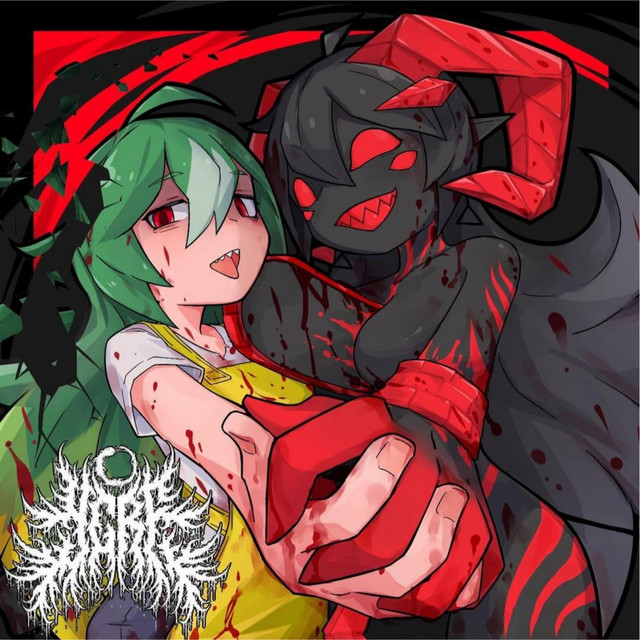
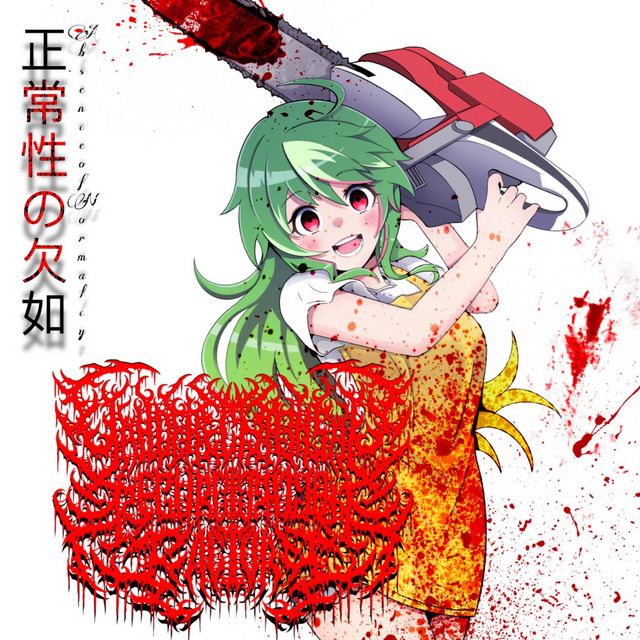
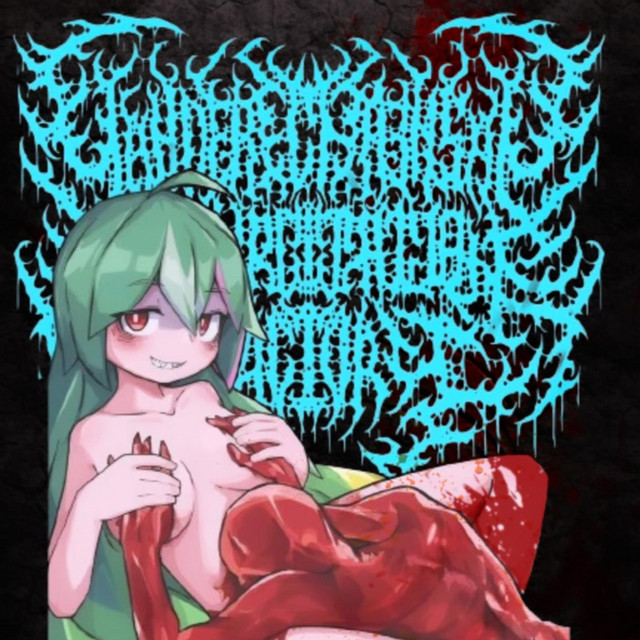
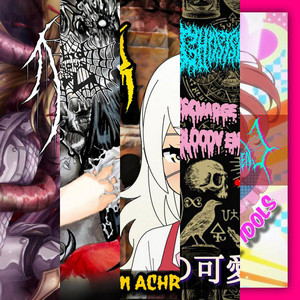
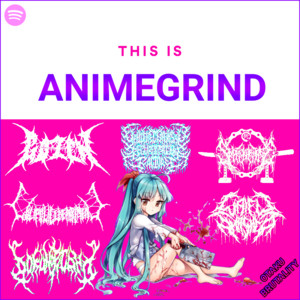
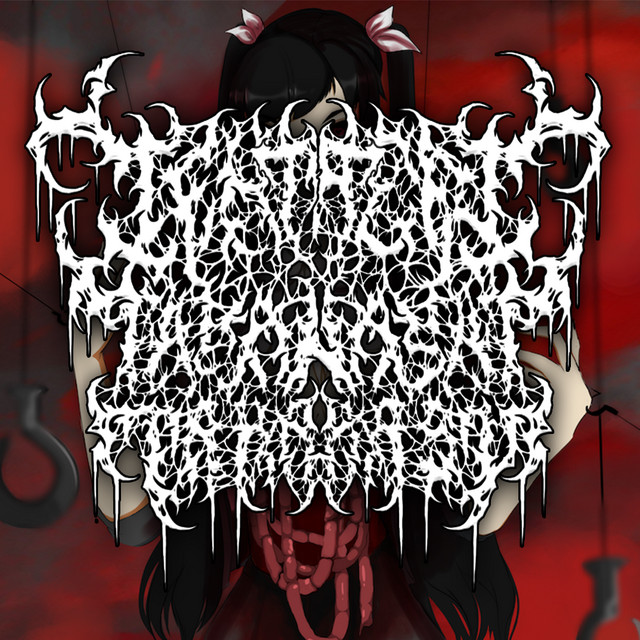
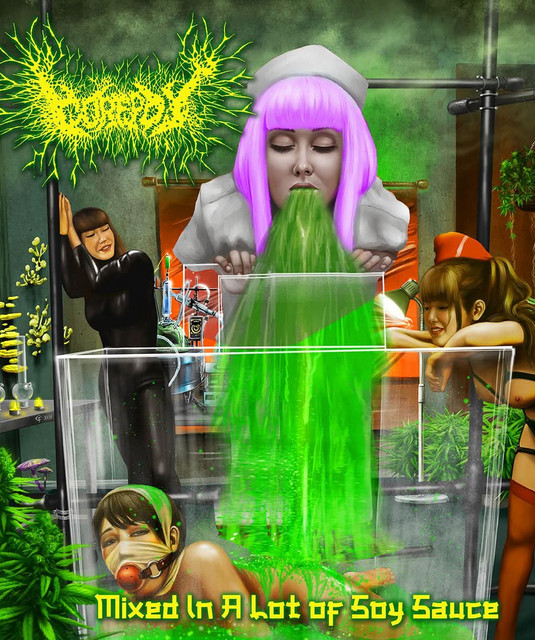
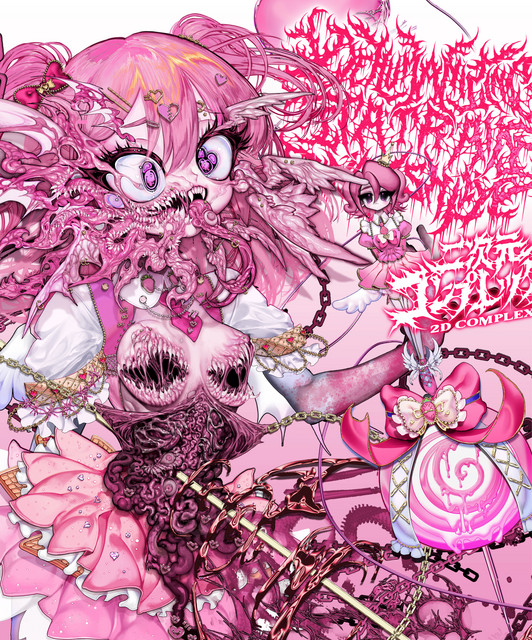
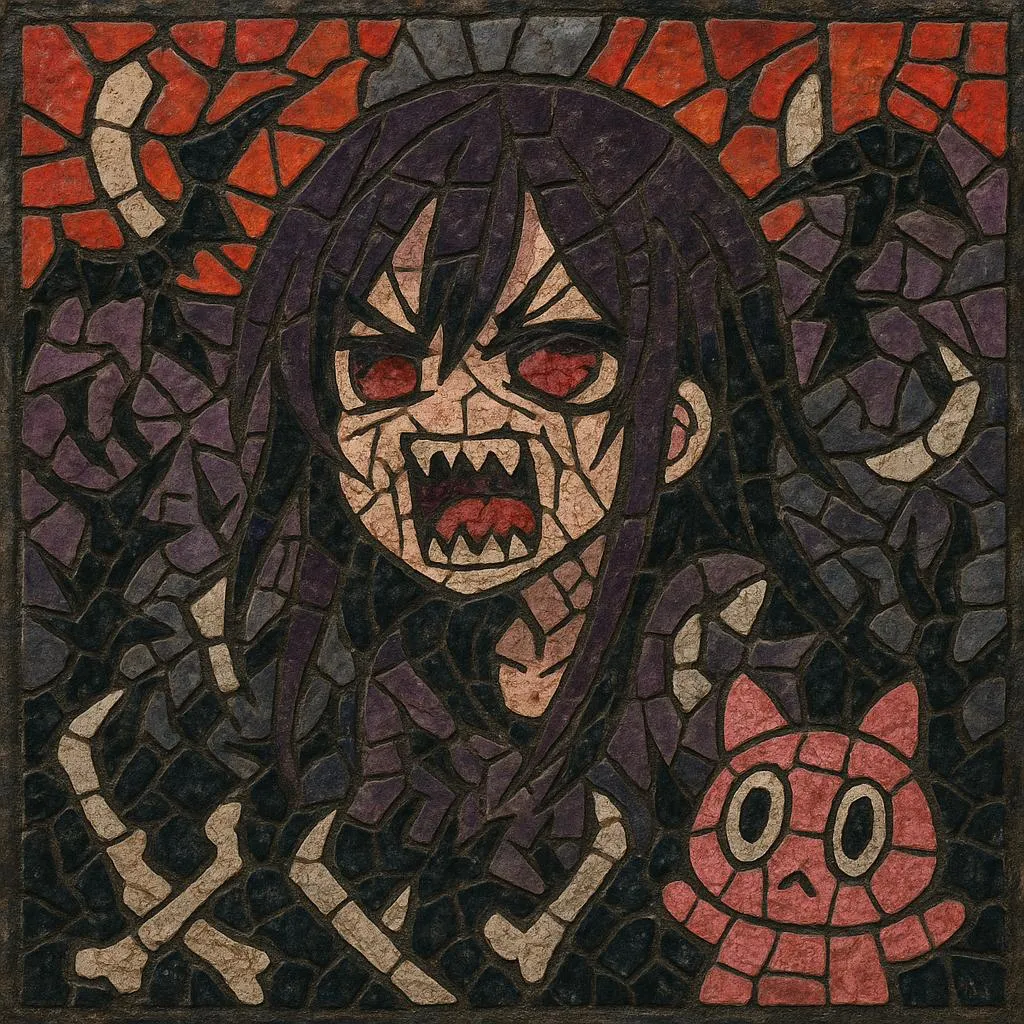
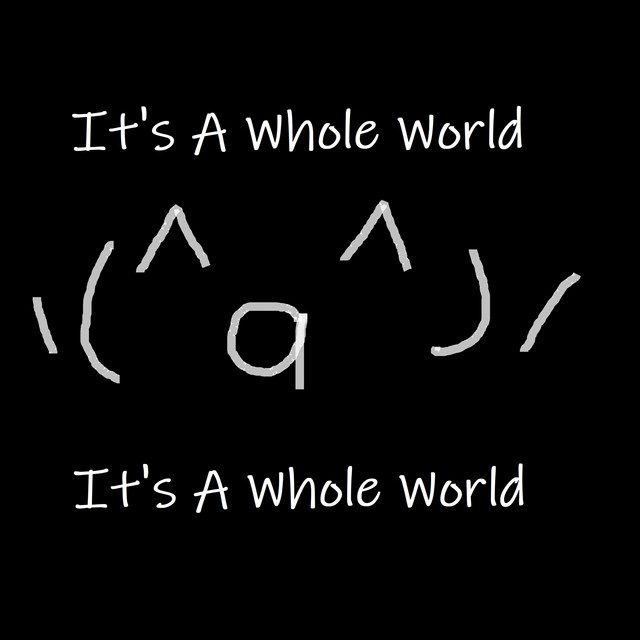
The scene is highly DIY and platform-driven (Bandcamp, SoundCloud, YouTube), with a global pool of small projects trading splits and memes. Album art, track titles, and social handles often satirize or exaggerate tropes from both goregrind and anime fandoms.


Sources: Spotify, Wikipedia, Discogs, Rate Your Music, MusicBrainz, and other online sources

History

Origins

Animegrind emerged during the 2010s as online grind and cybergrind communities absorbed anime/otaku culture. Musicians who grew up with anime and internet metal adopted the speed and shock tactics of goregrind while foregrounding kawaii visuals, anime voice clips, and Vocaloid/denpa touches.

Precursors

Several earlier currents set the stage:

•   Grindcore and goregrind (late 1980s–2000s) provided the song brevity, blast beats, pitch‑shifted/guttural vocals, and transgressive humor. •   Cybergrind and bedroom brutal projects (2000s) normalized programmed drums, DIY mixing, and internet distribution. •   Otaku/denpa/dōjin circles, Vocaloid, and J‑pop (late 2000s–2010s) supplied the kawaii timbres, melodic fragments, and sample culture that animegrind repurposed.
2010s–2020s: Online consolidation

Throughout the later 2010s the micro‑scene cohered around Bandcamp/SoundCloud, with international projects releasing EPs, splits, and meme‑driven singles. Cover art leaned into anime/manga styles; titles and project names used weeb slang and exaggerated goregrind tropes. By the early 2020s, animegrind was a recognized tag within cybergrind/goregrind listings, circulating through playlists, compilation tapes, and Discord servers.

Aesthetics and reception

Animegrind’s core tension is the deliberate clash of cute and grotesque: sugary motifs and character voices against blast‑beat savagery. Fans prize the humor, speed, and DIY spirit; detractors read it as pure shock or novelty. Either way, it reflects the internet’s collage ethos—fast, referential, and unapologetically niche.

How to make a track in this genre

Core instrumentation and sound
•   Guitars: downtune aggressively (B–A or lower). Use chainsaw‑like HM‑2 textures or tight modern high‑gain. Riffs should be primitive, percussive, and hooky in one or two bars. •   Drums: 230–300+ BPM with relentless blast beats (traditional, bomb, and gravity blasts). Programmed drums are fine and historically common; prioritize velocity and clarity of cymbal/grind patterns. •   Bass: double the guitars for weight; a slightly overdriven, mid‑forward tone helps articulation at high speed.
Harmony and riffing
•   Keep harmony minimal: chromatic cells, tritone stabs, and two‑to‑three‑chord loops. Occasional slam/beatdown drops (half‑time at 70–90 BPM) add contrast. •   You can weave in short, singable fragments inspired by J‑pop/denpa motifs (major pentatonic or simple diatonic hooks) before dropping back into blasts.
Vocals and lyrics
•   Alternate deep gutturals and pig squeals with higher fry/scream accents. Brief kawaii/“idol” interjections (spoken lines, processed cute ad‑libs) underline the aesthetic clash. •   Lyrical content often satirizes goregrind tropes via anime/otaku references. Keep lines concise—most songs are under two minutes.
Samples and sound design
•   Use anime dialogue stingers, Vocaloid one‑shots, chiptune arpeggios, or game‑style FX as intros, mid‑song breaks, or codas. Keep samples tight (1–6 seconds) so they frame, not swamp, the blasts. •   Layer a thin denpa/J‑pop pad or lead atop a section to heighten the juxtaposition; low‑pass or bit‑crush for a retro feel.
Production
•   Loud, clipping‑adjacent masters are genre‑typical. Emphasize kick/snare definition and guitar midrange so the blasts remain intelligible. •   Hard‑gate between sections to accentuate the stop‑start, meme‑cut feel. Short total runtimes and EP/split formats suit the style.
Visual identity
•   Pair the audio with anime/manga‑styled art and typography. Consistency of kawaii visuals with extreme sonics is part of the concept.

Top tracks

Locked
Share your favorite track to unlock other users’ top tracks
Influenced by
Has influenced
No genres found
Challenges
Digger Battle
Let's see who can find the best track in this genre

Download our mobile app

Get the Melodigging app and start digging for new genres on the go
© 2026 Melodigging
Melodding was created as a tribute to Every Noise at Once, which inspired us to help curious minds keep digging into music's ever-evolving genres.
Buy me a coffee for Melodigging