Your digging level
Description
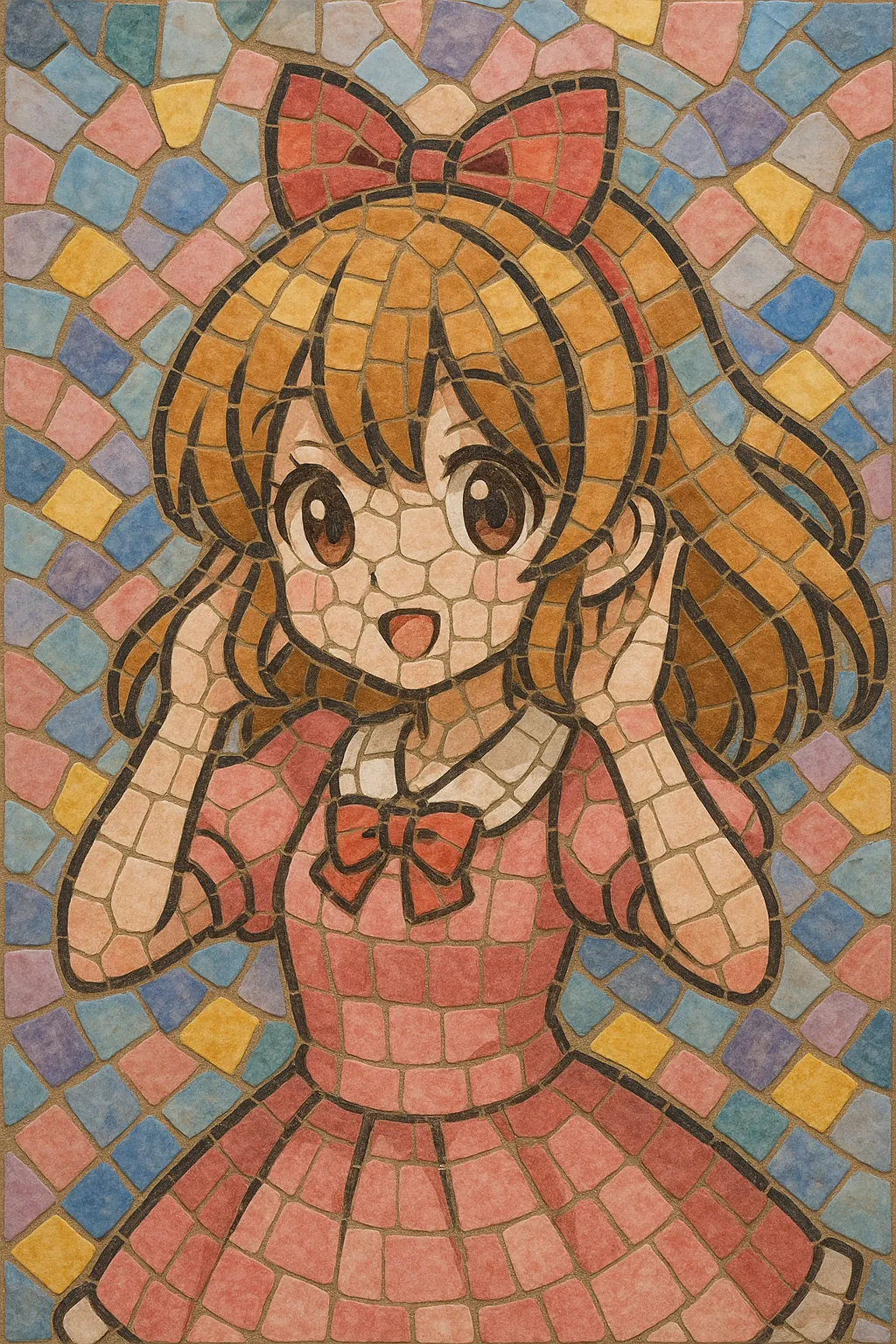
Moe song (萌えソング) is a Japanese pop micro-genre centered on "moe" aesthetics—ultra-cute, high-pitched vocals, playful onomatopoeia, and character-focused lyrics that celebrate otaku culture. It commonly accompanies anime, eroge/visual novels, and Akihabara-centric idol activities.
Musically, it blends bright J-pop writing with denpa-style quirkiness, chiptune timbres, and dance-leaning rhythms drawn from trance, eurobeat, and happy hardcore. Arrangements favor sparkling synths, bell/mallet sounds, catchy hooks, and frequent key changes, while live performance emphasizes call-and-response chants and wotagei fan interaction.
History
The roots of moe song lie in the late 1990s rise of otaku-centered music tied to eroge/visual novels and Akihabara subculture. As the term "moe" spread among fans, producers and seiyuu (voice actors) began crafting songs that amplified cuteness with high-register vocals, playful ad-libs, and character-driven lyrics. Early denpa-kei and idol kayō traditions set the template for the sound and its community-focused performance style.
In the 2000s, moe song crystallized through eroge/anime OP/ED themes and Akiba-kei events. Units and producers such as UNDER17 and MOSAIC.WAV codified the ultra-cute timbre, rapid tempos, and candy-bright synth textures. The era’s anisong market, maid cafés, and otaku-idol crossovers fostered a scene where fan chants (wotagei) and call-and-response became integral to live shows.
With streaming, doujin circles, and video platforms, the style spread globally. Net-based singers and producers adopted moe vocal delivery over everything from trance-pop to rhythm-game tempos, while seiyuu idols brought the sound to larger stages. The aesthetic also fed into Vocaloid culture and later “kawaii” electronic currents.
Moe song helped normalize "cute-as-virtuosity" in contemporary Japanese pop, shaping vocal stylings, arrangement clichés (sparkling synths, upward modulations), and audience participation customs. Its DNA persists in anisong, doujin music, Vocaloid hits, and kawaii-leaning electronic subgenres.
Aim for an ultra-cute, high-energy sound. Use high-pitched, airy vocals with clear diction and playful ad-libs (e.g., “nyan,” “chu,” “kyun”). Keep lyrics character-centric, referencing school life, magical motifs, or otaku in-jokes, and invite fan participation with call-and-response lines.
Write in bright major keys with diatonic hooks. Employ simple progressions (I–V–vi–IV, I–vi–IV–V) but embellish with secondary dominants and an end-chorus key change (+1 or +2 semitones) for lift. Melodies should be stepwise with occasional leaps, lots of ornaments (slides, grace notes), and repeated, memorable motifs.
Use 4/4 at 130–170 BPM. A dance-pop backbone (four-on-the-floor or eurobeat-style kicks) works well. Add handclaps, tambourines, and brief half-time breaks before chorus drops to spotlight fan chants.
Layer bright synths (supersaws, square leads), bell/mallet tones, and chiptune elements for sparkle. Sidechain bass to the kick; keep mixes crisp, mid-forward, and treble-shiny. Short, cute vocal chops and SFX (twinkles, coin sounds) enhance the “kira-kira” vibe.
Follow anime OP forms: intro → verse → pre-chorus → big chorus → short instrumental hook → second cycle → bridge → key-change final chorus. Leave space for wotagei (fan chants) and call-and-response, and consider a brief spoken monologue in character for extra moe appeal.