Your digging level
Description
Hard glam is a modern, heavier take on glam’s theatrical hard rock tradition.
It marries the hook-forward, chorus-driven songwriting and flamboyant image of classic glam rock/metal with beefier guitars, tighter double‑time grooves, and a more aggressive vocal delivery. Riffs tend to be muscular and mid‑tempo to fast, solos are flashy and melodic, and choruses stack big gang vocals. Lyrics lean into nightlife, desire, rebellion, and rock ’n’ roll bravado, updated with a 21st‑century sheen.
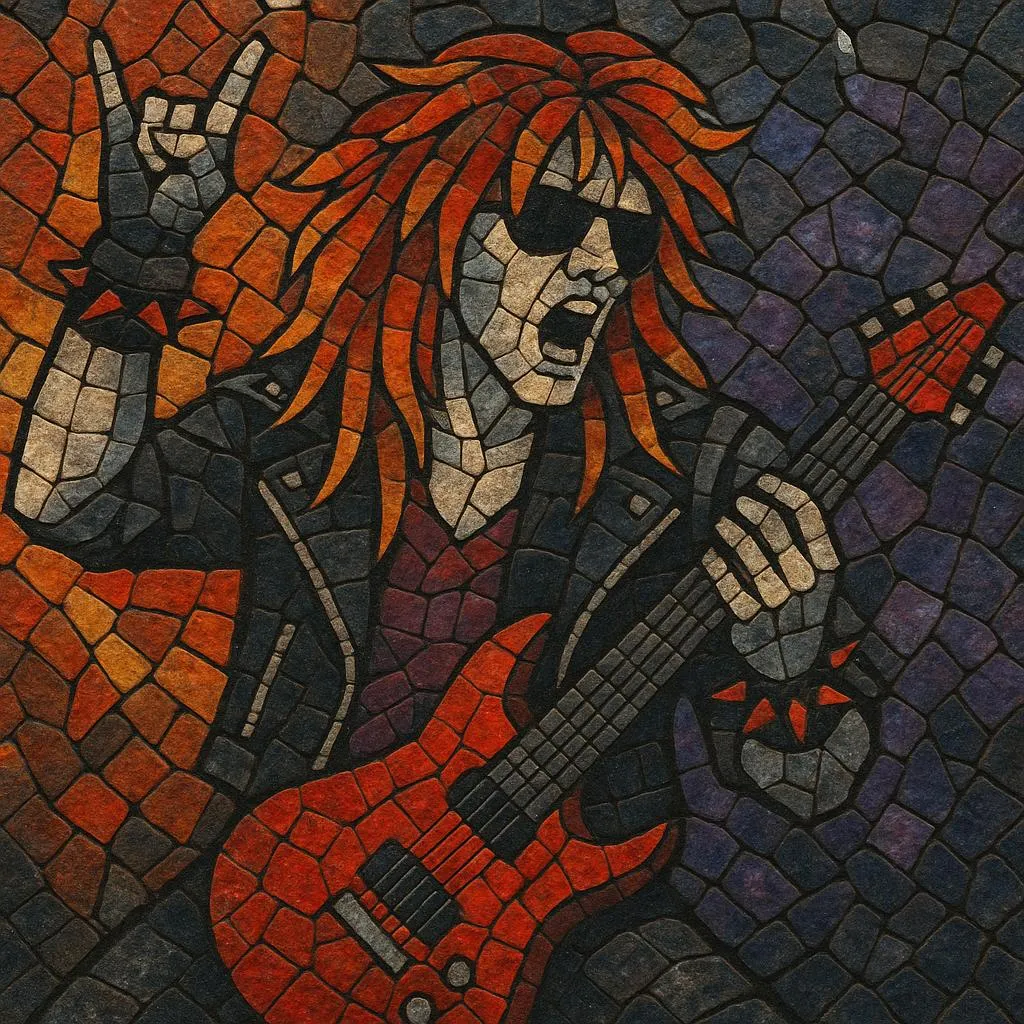
On stage, hard glam keeps the showmanship—high-energy performances, coordinated looks, and crowd‑baiting call‑and‑response—while studio productions favor punchy, modern rock sonics: saturated rhythm guitars, cutting leads, present lead vocals with layered harmonies, and hard-hitting drums.


History
Hard glam’s DNA comes from the convergence of 1970s glam rock’s theatricality and 1980s glam metal’s radio‑ready hard rock. Acts on Los Angeles’ Sunset Strip codified the big hooks, glossy production, and over-the-top image that became the style’s template.
In the 2000s a new wave of bands—across the U.S. and Europe—revived the glam attitude with a tougher attack. These groups kept the anthemic choruses and visual flair but tightened the riffs, upped the gain, and adopted punchier modern rock production, distinguishing “hard glam” from softer, pop‑leaning glam revivals.
By the 2010s the sound spread through Scandinavia, Central Europe, and North America. Independent labels, club circuits, and rock festivals helped solidify a scene where hard glam coexists with sleaze rock, modern hard rock, and retro‑metal, sustaining a steady flow of albums, club tours, and social‑media‑driven fan communities.