Your digging level
Description
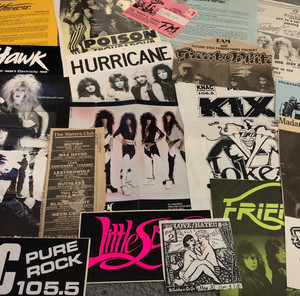
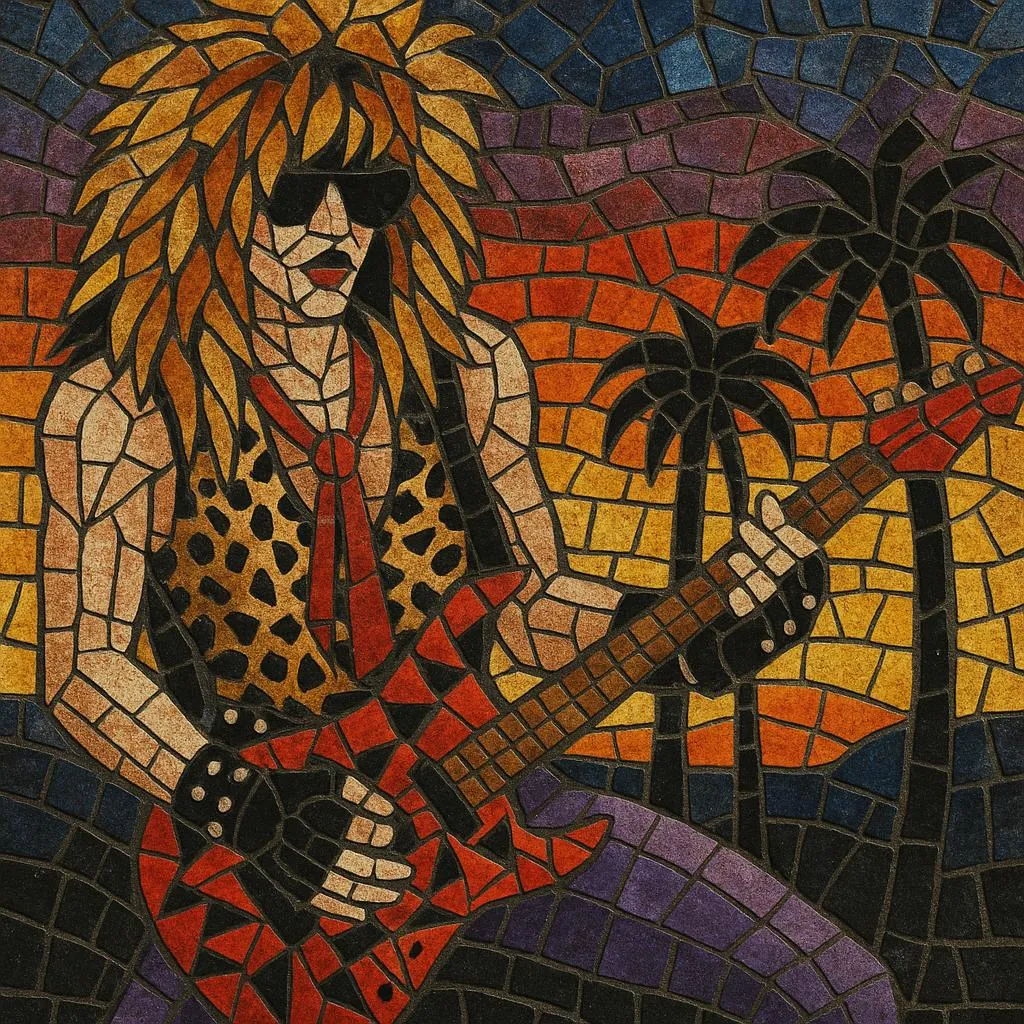
A flamboyant and hedonistic subgenre of heavy metal and hard rock that exploded in the early 1980s, centered specifically around the nightclubs of the Sunset Strip in West Hollywood, California. Characterized by a distinct visual aesthetic involving teasing hair, make-up, spandex, and leather, the sound fuses the rebellious attitude of punk, the catchy hooks of pop, and the guitar virtuosity of heavy metal. Lyrically, it celebrates excess, focusing on themes of sex, drugs, partying, and romance, often alternating between high-energy anthems and sentimental power ballads.



History
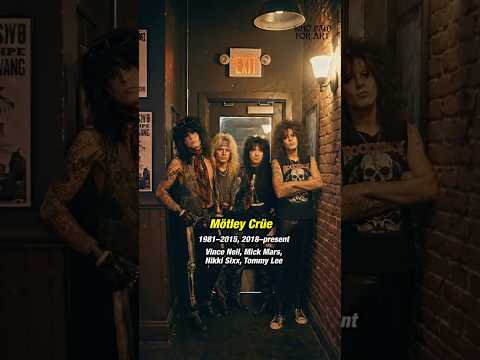
The genre's roots lie in the late 1970s hard rock scene of Los Angeles, heavily influenced by the theatricality of Alice Cooper and KISS, and the musical virtuosity of Van Halen. As the New Wave of British Heavy Metal took hold globally, a local scene began to coalesce in West Hollywood. Clubs like the Whisky a Go Go, The Roxy, Gazzarri's, and The Starwood became the epicenter. Bands like Quiet Riot and Mötley Crüe began mixing the aggression of heavy metal with the visual flair of 70s glam rock and the hooks of pop music.
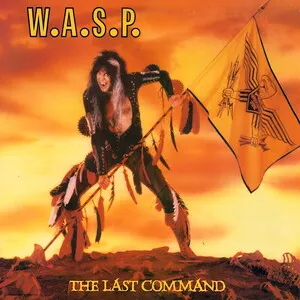
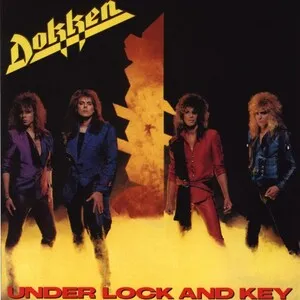
The release of Quiet Riot's Metal Health (1983), the first metal album to top the Billboard charts, and Mötley Crüe's Shout at the Devil (1983) marked the commercial breakthrough of the scene. The "Sunset Strip" became a mecca for aspiring musicians from across America. The competition was fierce, leading to the infamous "pay-to-play" policy where bands had to buy tickets to their own shows to get booked. This era saw the rise of Ratt, W.A.S.P., and Dokken, establishing the sound of shred guitars and anthemic choruses.
By the mid-80s, the Sunset Strip sound had conquered MTV and radio. Poison and later Guns N' Roses emerged from the strip to become global superstars. The aesthetic became increasingly exaggerated, with hairspray and makeup becoming mandatory. The scene was characterized by extreme hedonism and debauchery, immortalized in the documentary The Decline of Western Civilization Part II: The Metal Years.
The scene's saturation, combined with a perceived lack of authenticity and the rise of the raw, stripped-back sound of Grunge from Seattle, led to a rapid decline in the early 1990s. Many Sunset Strip bands disbanded or faded into obscurity as alternative rock took over the mainstream.
Guitars: The centerpiece of the sound. Use humbucker-equipped guitars (like Les Pauls or Superstrats) through high-gain amplifiers (typically Marshall JCM800s). The tone should be bright, crunchy, and saturated.
•Drums: A massive, booming sound is essential. Use a heavy kick drum and a snare drum treated with gated reverb to create that signature 80s "cannon" effect.
•Vocals: High-pitched, powerful vocals are standard. Singers often use a mix of gritty chest voice for verses and soaring falsetto or high screams for choruses. Backing vocals are crucial, often featuring "gang vocals" where the whole band shouts the hook.
Riffs: Focus on catchy, pentatonic-based riffs and power chords. The rhythm is usually a driving, uptempo 4/4 rock beat.
•Solos: Guitar solos are mandatory and should be flashy. Incorporate techniques like tapping (à la Eddie Van Halen), sweep picking, pinch harmonics, and heavy use of the whammy bar (dive bombs).
•Song Structure: Stick to verse-chorus structures. The chorus must be an "earworm"—simple, melodic, and anthemic.
Party Anthems: Write about the rock 'n' roll lifestyle—late nights, fast cars, drinking, and rebellion.
•Power Ballads: Compose slower, emotional tracks about heartbreak or longing. These often start with clean, arpeggiated guitar or piano before building into a heavy, distorted climax.