Your digging level
Description
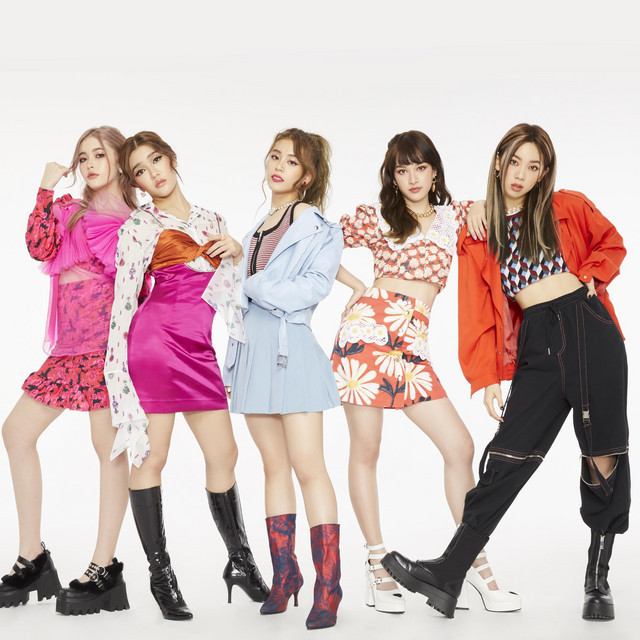
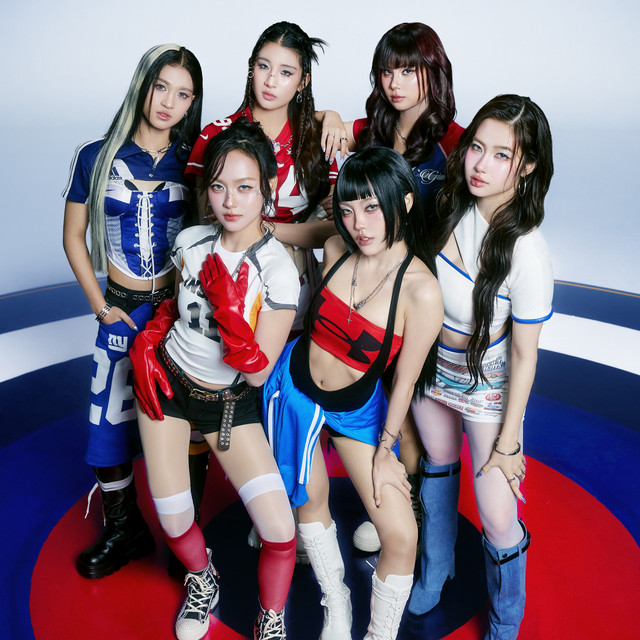
T‑pop girl group refers to Thailand’s multi‑member female pop acts that blend glossy, hook‑forward songwriting with tight vocal harmonies, synchronized choreography and highly styled visual concepts. Sonically they pull from contemporary dance‑pop, R&B and hip‑hop while keeping Thai lyricism and melodic phrasing at the core.
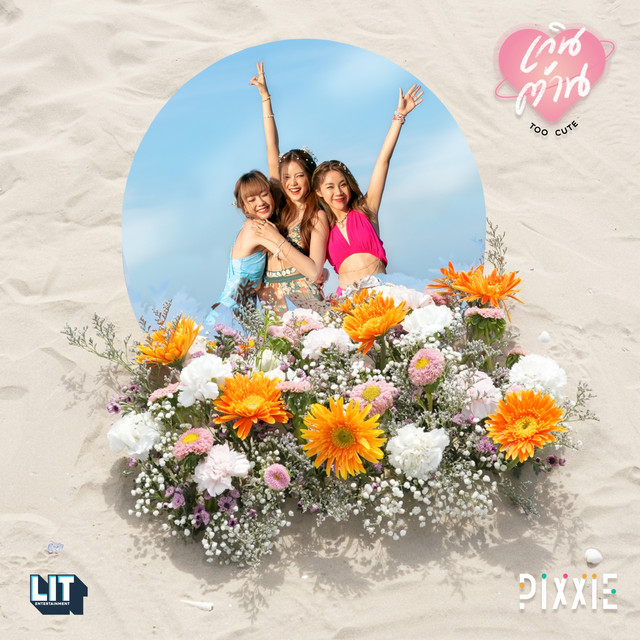
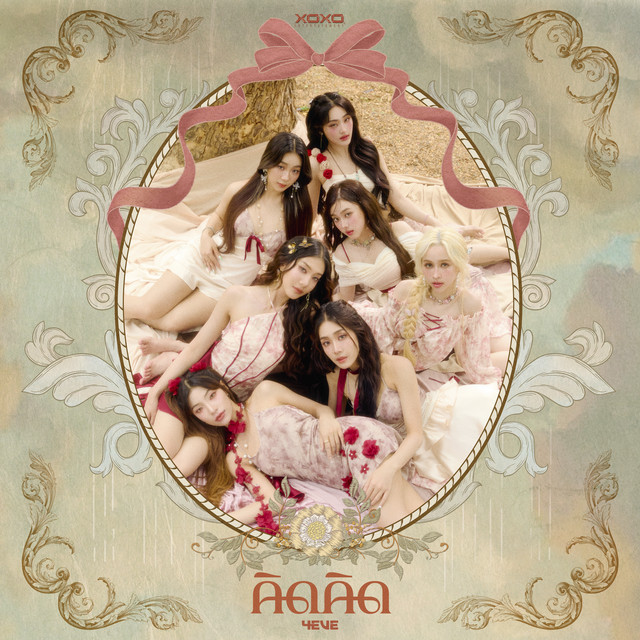
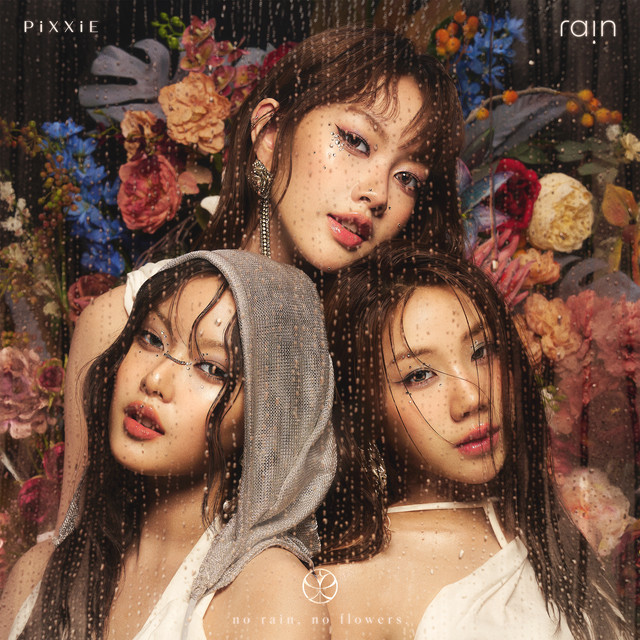
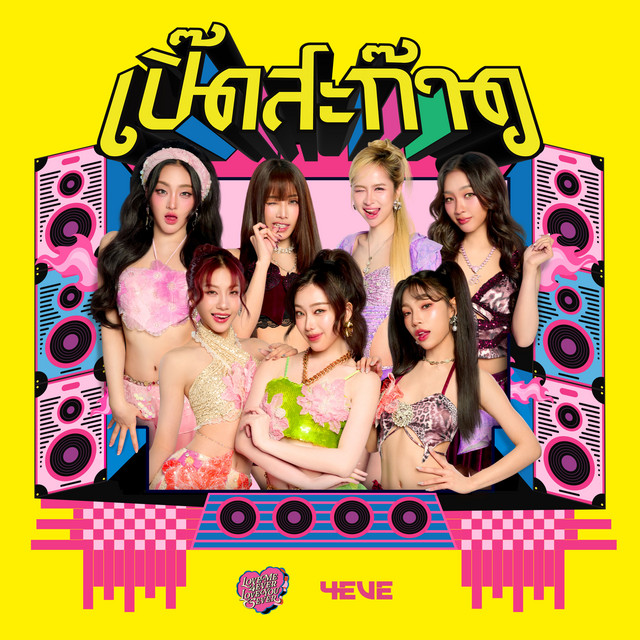
Historically, the lineage runs from early pioneers like Sao Sao Sao—often cited as Thailand’s first girl group—through 2000s mainstream pop outfits and into a 2010s–2020s revival shaped by the pan‑Asian idol system and social media era fandom. Recent groups such as 4EVE and PiXXiE have helped reposition T‑pop girl groups as a flagship of modern Thai pop culture, with arena‑scale shows and viral singles signaling renewed industry confidence.


![12 T-POP GIRL GROUPS RECOMENDATION [Thailand]](https://i.ytimg.com/vi/42nQebwBqNM/hqdefault.jpg)
History
Sao Sao Sao (debut 1982) are widely recognized as Thailand’s first girl group and established a homegrown template for coordinated image, harmonized vocals, and teen‑marketed pop, scoring major sales mid‑decade. Their success demonstrated the commercial viability of Thai female groups and seeded a local industry pathway for future acts.
Through the late 1990s and 2000s, Thai labels continued to field female pop units (alongside duos), normalizing high‑concept styling and choreography within mainstream T‑pop and aligning with regional “idol” aesthetics. Media coverage of legacy acts underscored how these earlier groups shaped performance and fashion codes still visible today.
The late 2010s saw a renewed appetite for multi‑member girl groups in Thailand, influenced by the broader East Asian idol ecosystem (K‑pop/J‑pop). Large‑membership formats, intensive training systems and participatory fan culture (light sticks, voting, fan meets) became standard features in the Thai scene.
From 2020 onward, acts such as 4EVE catalyzed a new phase for T‑pop girl groups—charting nationally and scaling up production values. In February 2024, 4EVE sold out Bangkok’s 12,000‑seat IMPACT Arena, a first for a Thai girl group, signaling the format’s mainstream strength. In parallel, newer trios like PiXXiE have maintained a steady release cadence and strong digital presence, reflecting Gen‑Z‑driven consumption patterns.
T‑pop girl groups operate within a mature ecosystem of Thai producers, choreographers and TV/streaming platforms. Their sound borrows global pop textures while retaining Thai language and sensibility, and their activities (variety shows, endorsements, fan events) mirror regional idol economies.