Your digging level

For this genre
0/8
🏆
Sign in, then listen to this genre to level up

Description

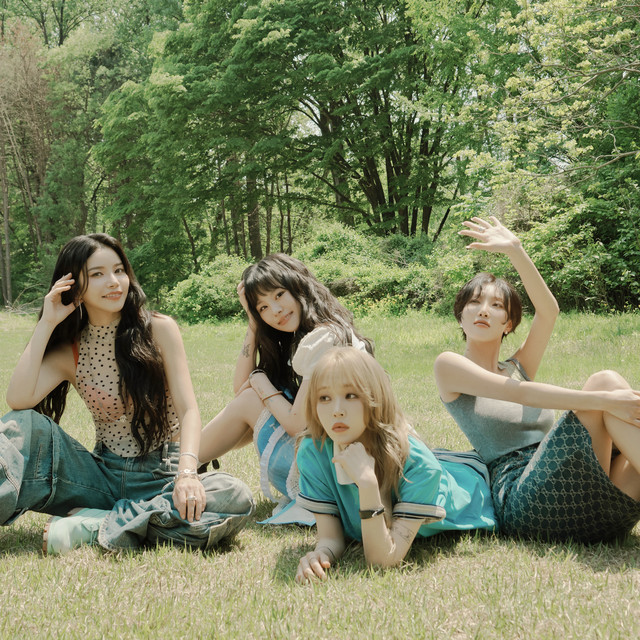
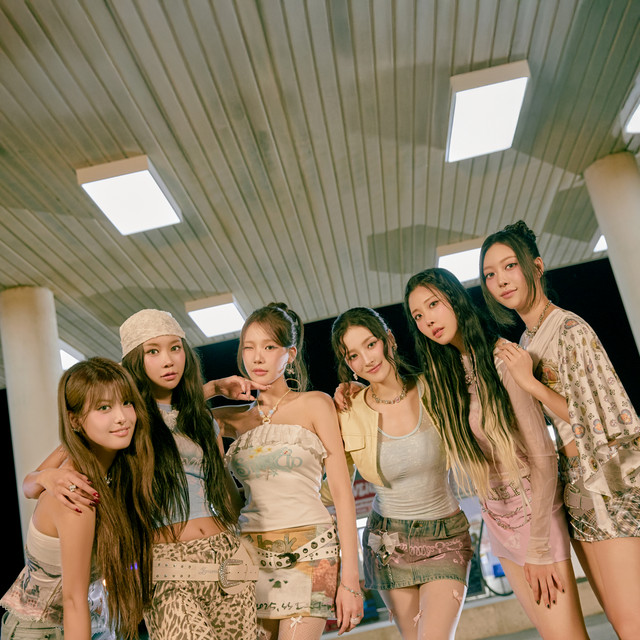
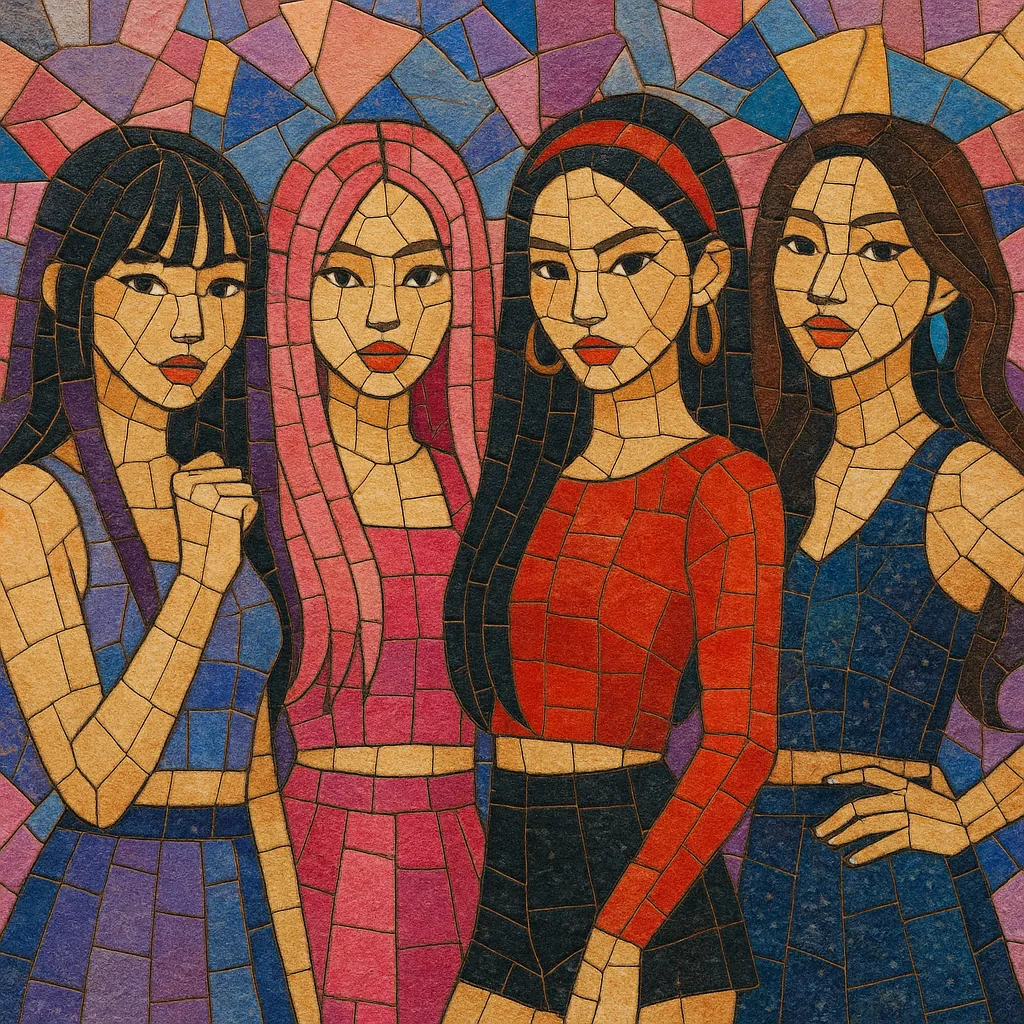
K-pop girl group is a subculture and sound within K-pop centered on multi-member female idol teams that blend polished pop songwriting with tightly synchronized choreography and highly curated visual concepts.

Musically it fuses dance-pop, R&B, hip hop, and electronic production, emphasizing hook-driven choruses, group harmonies, rap breaks, and dynamic song sections (pre-chorus lifts, post-choruses, and dance breaks). Releases are packaged with distinct "concepts"—cute, elegant, fierce, retro, or experimental—supported by high-budget music videos, fashion, and performance.

The format prioritizes team identity and member roles (main vocal, rapper, dancer, visual, leader), heavy fan engagement, and global-facing strategies such as multilingual lyrics and international promotion.

Sources: Spotify, Wikipedia, Discogs, Rate Your Music, MusicBrainz, and other online sources

History

Origins (1990s)

The K-pop idol system formed in the mid-to-late 1990s, when first-wave Korean girl groups like S.E.S. and Fin.K.L defined the template: catchy dance-pop, coordinated styling, and TV-driven promotion. These acts adapted Japanese idol and Western pop ideas into a distinctly Korean system of training, performance, and fan culture.

Expansion and Second Wave (2000s)

In the 2000s, agencies professionalized trainee programs and globalized production. Kara, Wonder Girls, SNSD (Girls’ Generation), and T-ARA refined the bright, hooky sound with crisp choreography and strong visual concepts. Exports to Japan and participation in international showcases began to expand the audience.

Global Breakthrough (2010s)

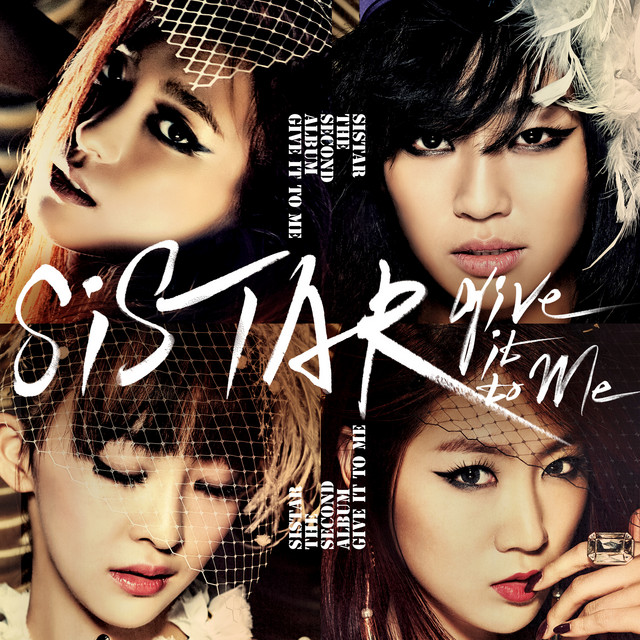
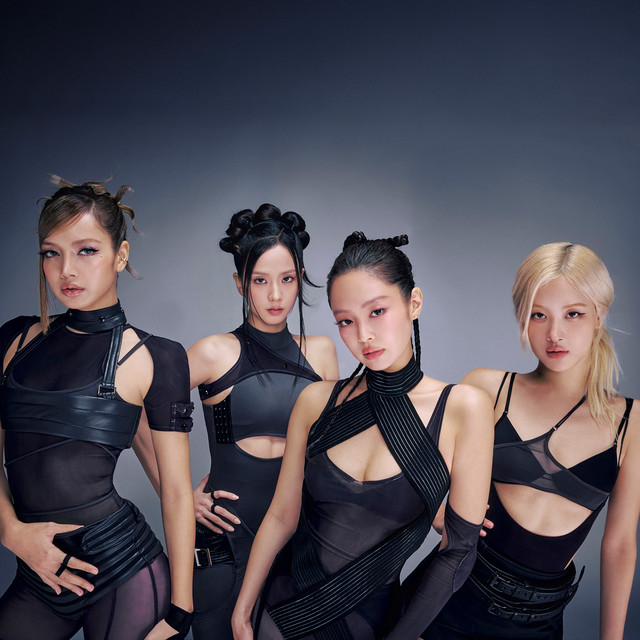
Groups such as 2NE1, f(x), SISTAR, Red Velvet, TWICE, and BLACKPINK diversified aesthetics—from electro-pop and R&B hybrids to bold, trap-tinged anthems. Social media and YouTube became core distribution, turning comebacks into global events. Fandom culture (light sticks, fan chants, streaming goals) solidified worldwide.

Fourth Generation and Beyond (late 2010s–2020s)

Newer groups like ITZY, (G)I-DLE, aespa, IVE, LE SSERAFIM, and NewJeans push sonic variety—minimalist Y2K pop, hyper-glossy EDM, retro R&B—while maintaining performance intensity. International songwriting camps, multilingual releases, and platform-native marketing (short-form video) further consolidate K-pop girl groups as a global pop force.


How to make a track in this genre

Song Form and Arrangement
•   Use modular sections: intro → verse → pre-chorus (lift) → chorus → post-chorus hook → rap/bridge → dance break → final chorus (often with ad-libs or key change). •   Keep strong melodic motifs; repeat short, memorable tag-lines in the chorus or post-chorus.
Harmony and Melody
•   Stay mostly diatonic with bright major keys; occasional modal color (mixolydian) for swagger. •   Employ pre-chorus tension with rising bass movement and suspended chords; release into a wide, singable chorus range. •   Layer group harmonies and call-and-response lines to feature multiple members.
Rhythm and Production
•   Foundations from dance-pop and EDM: 4-on-the-floor or halftime trap/pop hybrids (85–105 or 120–130 BPM typical). •   Use punchy drums (808s, claps), sidechained synths, and clean low end. Add percussive ear-candy (snaps, fills, risers) to mark section transitions. •   Include a dance break: strip harmony, spotlight drums/bass/synth stabs for choreography.
Sound Design and Instrumentation
•   Bright polysynths, plucks, glassy pads, and modern basses; sprinkle guitar or disco/funk elements for retro concepts. •   Contrast sections with textural switches (minimal verse vs. maximal chorus) to maintain excitement.
Lyrics and Delivery
•   Themes: confidence, friendship, love, empowerment, and vibrant lifestyle imagery. •   Mix Korean with strategic English phrases for global hooks. Allocate lines to highlight each member’s tone and role. •   Add a concise rap verse for edge and variety.
Performance and Presentation
•   Choreography is integral: craft moves around the post-chorus tag and dance break. •   Align styling, MV color palettes, and stage outfits to a clear concept (cute, chic, fierce, dreamy). •   Plan fan engagement (fanchant-friendly ad-libs, point choreography) and polished live vocal arrangements.

Top tracks

Locked
Share your favorite track to unlock other users’ top tracks
Influenced by
Has influenced
Challenges
Digger Battle
Let's see who can find the best track in this genre
© 2026 Melodigging
Melodding was created as a tribute to Every Noise at Once, which inspired us to help curious minds keep digging into music's ever-evolving genres.
Buy me a coffee for Melodigging