

Your digging level
For this genre
0/8
🏆
Sign in, then listen to this genre to level up
Description
Classic K-pop refers to the first and early second generations of Korean popular music that took shape from the early 1990s through the mid‑2000s. It blends bright dance-pop, R&B-influenced vocals, rap breaks, and tightly choreographed performances under an idol training system.
Hallmarks include hook-heavy choruses, memorable post-chorus chants, key-change finales, clean and glossy production, and genre-mixing that draws from new jack swing, hip hop, eurodance, and synth-pop. Promotions centered on music shows, physical albums, fan clubs, and synchronized stage concepts, laying the blueprint for the global K-pop model that followed.

kpop songs that sampled classical music #shorts
flowtaee

K-Pop that Sampled Classical Music
TwoSetViolin

What's a CLASSIC K-POP Song EVERYONE should know? 🤔
The Ian Lau

Learning to Like K-Pop
Mic The Snare
History
Origins (early 1990s)
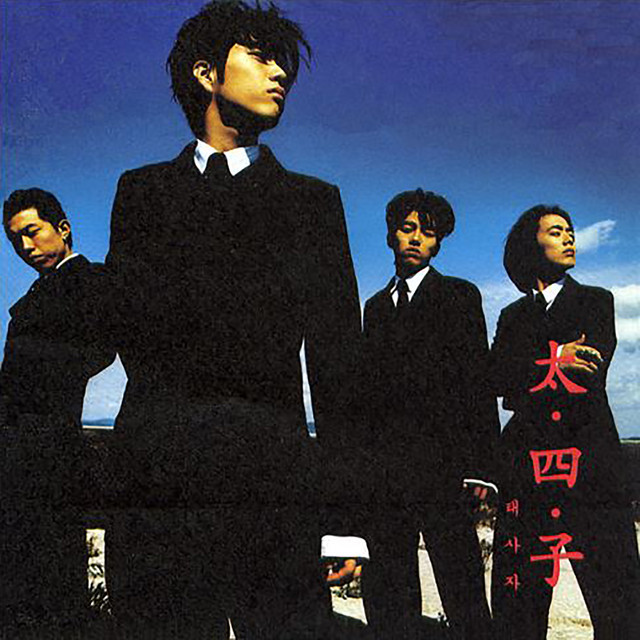
• The modern K-pop template coalesced in 1992 with Seo Taiji & Boys, who injected American hip hop, dance, and new jack swing into Korean mainstream music. Their success normalized rap verses, choreographed routines, and youth-centric lyrics on national TV.
• Emerging entertainment companies (SM, YG, JYP) formalized the idol trainee system: auditions, multi-year training, concept-focused debuts.
First Generation Boom (mid–late 1990s)
• Idol groups such as H.O.T., Sechs Kies, S.E.S., Fin.K.L, Shinhwa, and g.o.d dominated with upbeat dance-pop, ballads, and coordinated fashion.
• Music programs and fan club culture (light sticks, chants) became core to promotions. Production borrowed heavily from eurodance, house, and R&B, while ballads showcased emotive, melismatic vocals.
Early Second Generation and Regional Breakout (early–mid 2000s)
• Solo stars (BoA, Rain) and groups (TVXQ) pushed overseas, especially into Japan and greater Asia, proving the exportability of the idol model.
• Production quality rose with more sophisticated vocal layering, richer harmony stacks, and sharper choreography captured by evolving TV camerawork.
Legacy
• Classic K-pop established the training pipeline, concept-driven releases, music-show ecosystem, and fusion aesthetics that define K-pop today. Its songwriting architecture (pre-chorus lifts, rap bridges, chantable hooks) remains a template for later generations.
Core Aesthetics
• Aim for a glossy, radio-friendly finish with bright synths, tight drum programming, and layered group vocals.
• Build strong, chantable hooks and consider a key change for the final chorus to heighten emotion.
Song Structure
• Common flow: Intro → Verse 1 → Pre-chorus (lift) → Chorus → Rap/Bridge → Verse 2 → Pre-chorus → Chorus → Breakdown/Post-chorus chant → Final chorus (often with key change).
Harmony & Melody
• Use diatonic major/minor with occasional borrowed chords; keep melodies pentatonic-leaning for catchiness.
• Stack harmonies on choruses (thirds, fifths, occasional octave doubles). Ad-libs and call-and-response reinforce hooks.
Rhythm & Tempo
• Dance cuts: 115–130 BPM (eurodance/house backbones, four-on-the-floor or syncopated kicks).
• Hip hop/new jack swing sections: 90–110 BPM swing grooves, snappy snares, and syncopated hi-hats.
• Ballads: 70–90 BPM with lush pads and expressive vocals.
Instrumentation & Sound Design
• Synth leads and brassy stabs, FM bells for sparkle, warm pads/strings for pre-chorus lifts.
• Drum machines with tight kicks, bright snares/claps, gated or short verbs; add tambourine/shaker for energy.
• Guitar comps (clean funk strums) and occasional orchestral hits for emphasis.
Vocals & Lyrics
• Alternate group vocals with solo lines; blend members’ timbres for rich choruses.
• Include a rap verse or breakdown to vary texture.
• Lyrics center on youth, friendship, first love, longing, and optimism; employ simple, memorable slogans for fan chants.
Arrangement & Production Tips
• Pre-chorus should thin the low end and raise tension via rising chords or pedal tones, then drop a fuller chorus.
• Use post-chorus chants or hook tags for identity.
• Mix bright and wide: controlled low end, present mids for vocals, airy highs on cymbals/synths. Gentle bus compression for cohesiveness.
Performance & Visuals
• Choreography is integral: design formations that spotlight hook moves tied to the lyrical motif.
• Coordinate styling and concept (school, futuristic, sporty) to match the song’s mood.

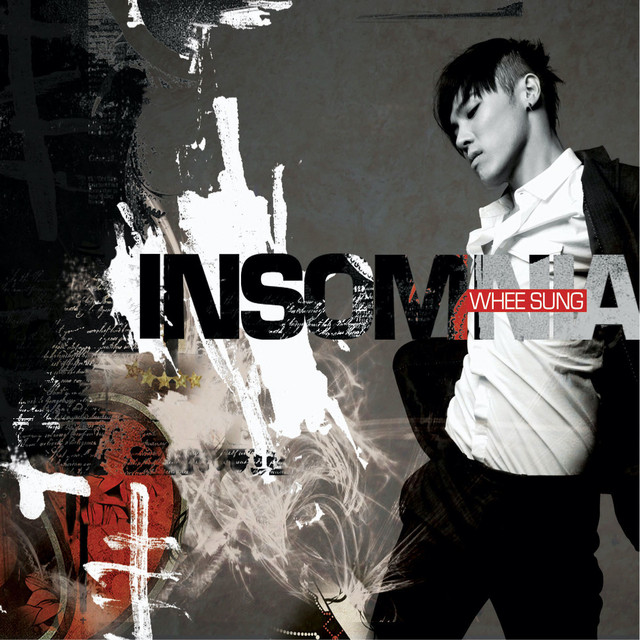
Top albums

Best playlists
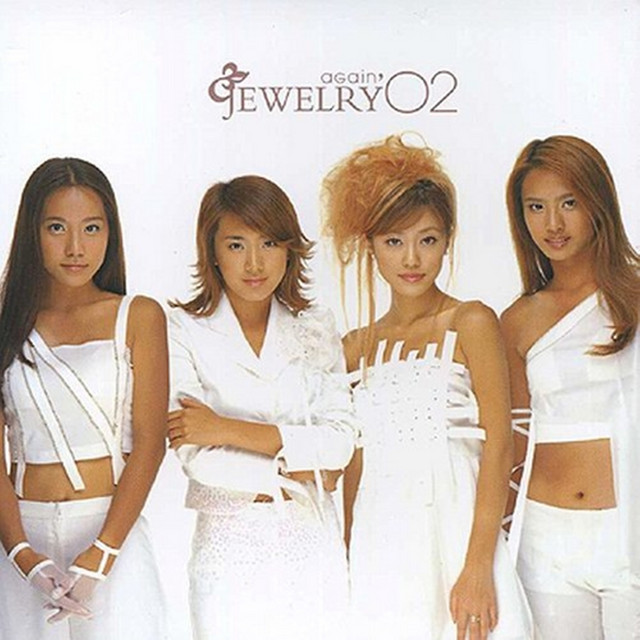
Main artists
Top tracks
Locked
Share your favorite track to unlock other users’ top tracks
Upcoming concerts
in this genre
